James I

The tragedy of Sir Walter Ralegh’s impossible quest

I remember little of my two years at boarding school, where I arrived aged eight, apart from the cloaks. Red, green, blue and yellow, for the houses of Ralegh, Nicholson, Gordon and Wellesley. They were called after generals, we were told, and of the four, Ralegh’s name is the best known. But why? I take a short survey of my colleagues. They all know the name but not why they know it. It is a curious fame to have, and perhaps David Gibbins’s book will do something to give it substance. Sir Walter Ralegh (Gibbins’s choice of spelling, as opposed to Raleigh, Rawleigh, Ralley and other versions in the elastic Elizabethan way with names) was more than a military commander.
Everybody needs ‘good neighbours’: fairy folklore from time immemorial

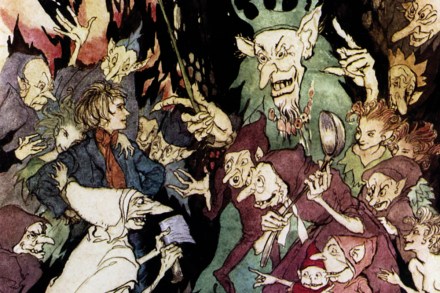
To our jaded century, ‘fairy’ carries connotations ranging from the sentimental to the sickly. It conjures childishness, foolishness, insipidity and softness – Tinker Bell, the Tooth Fairy, the Cottingley photographs that fooled Arthur Conan Doyle, cakes, twinkling lights and a certain brand of soap. Francis Young feels that the word should also be applied to countless other traditions of supernatural entities from earliest times on – that fairy stories help us fathom being human. Young has written or worked on many books about religion and folklore, and this is his third specifically on fairies.

The court favourite who became the most hated man in England

The Duke of Buckingham, wrote Alexandre Dumas, lived ‘one of those fabulous existences which survive... to astonish posterity’. In the summer of 1614, a young man from a modest gentry family was invited to a hunting party in Northamptonshire to meet a very special guest. George Villiers was affable, not terribly bright and superlatively beautiful. His mother Mary, a practical and ambitious woman, knew what his looks could do for the family, and she aimed high. The mark was King James I, a monarch who openly loved men. The king had lavished his then favourite, Robert Carr, with titles, wealth and great offices, but the finest pair of legs in Europe extinguished his star.

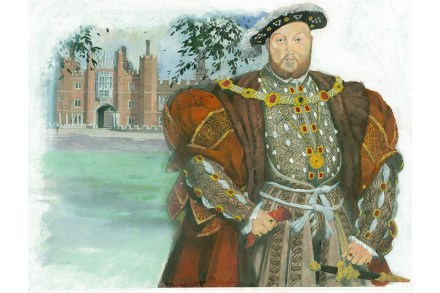
Hampton Court: an architectural symbol of royal lust

The Dowager Countess of Deloraine, who was governess to the children of George II at Hampton Court and other royal homes, was a notorious bore – so much so that her ‘every word’ made one ‘sick’, according to the courtier Lord Hervey. When she naively asked him why everyone was avoiding her, he replied with exquisite irony that ‘envy kept the women at a distance, despair the men’. This kind of witty, skittish anecdote is scattered throughout Gareth Russell’s scintillating hybrid of a book, which is partly a biography of a place and partly something stranger: an episodic history of England from Tudor times to the present, illustrated by lightning flashes of gossip and politics, set against the handsome backdrop of Hampton Court.