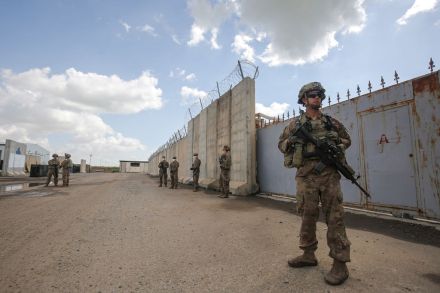
Iraq

The three options facing Trump in Iran

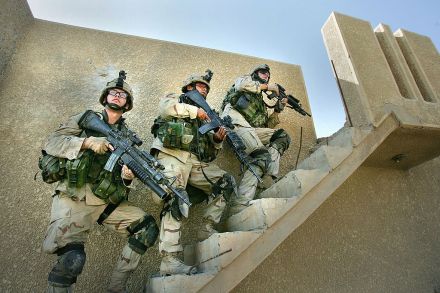
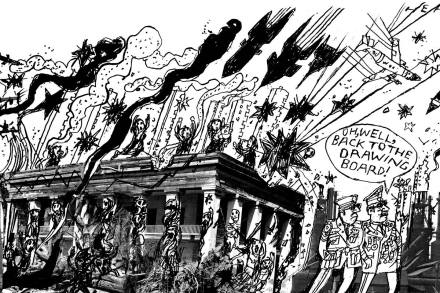
As Trump contemplates a ground operation in Iran, he will be reckoning with the ghosts of previous western “excursions” in the region, as he recently labeled this war. History suggests three endgames for his intervention in Iran are plausible. First, a hasty deal on terms that aggrandize and empower Iran, creating an American equivalent to Britain’s Suez Crisis. Second, a protracted struggle which becomes structurally reminiscent of the Iraq War. Third, a dramatic escalation which achieves Iranian surrender quickly and cleanly. The bad news for Trump is that the outcome he seeks, number three, is the one without real precedent. In the first scenario, Trump makes a deal on terms
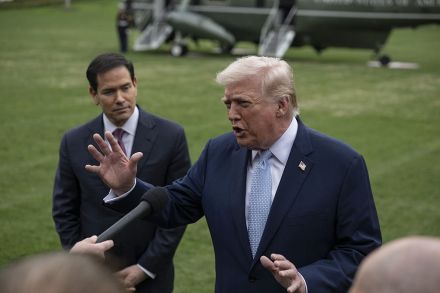
I spent 25 years fighting neocons. Then Trump became one

Like everyone, I’m glued to the news coming out of Iran. I’m experiencing some depression, as one might, upon realizing that much of what one has worked on for 25 years has suddenly gone up in smoke, destroyed when Donald Trump discovered he was pretty much a neocon after all. Like everyone else, I have no idea what will happen in Iran, whether Trump’s bombing and perhaps breaking apart a very unpopular regime will lead to something better, or just chaos, a failed state spitting out a cohort of embittered men. But one can’t help but acknowledge the American right really likes bombing foreign countries, despite what had seemed an

neocon

Why Iran marks the end of neoconservatism

45 min listen

Spectator columnist and Heritage Foundation fellow Daniel McCarthy joins Freddy to explain how Trump’s war with Iran could mark the end of an era, that of neoconservatism. For Daniel, there is no contradiction between Trump’s “America First” policy and its overseas interventions: Trump is pursuing a version of hegemony that will reduce the need for future interventions. If all goes to plan, this could mark an ideological watershed that stretches back to the first Gulf War in the early 1990s – but it’s a big “if.” What if the conflict spirals out of control? To what extent was this driven by Trump, or by Netanyahu? And what are the dynamics

US troops finally leave Syria

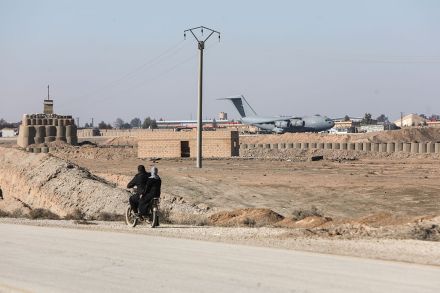
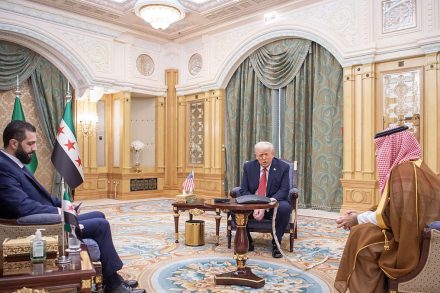
In December 2018, to the shock of pretty much everybody in the US national security establishment at the time, President Donald Trump publicly ordered the withdrawal of all US troops from Syria. The announcement caused a panic within the Defense Department, State Department and National Security Council, whose officials teamed up to dissuade Trump from going through with it. A similar story unfolded ten months later, in October 2019. Again, the bureaucracy pushed back; in October 2019, the House went so far as to pass a resolution opposing a US withdrawal, with senior Republican lawmakers signing onto the measure. Fast-forward more than six years later, and the US troop withdrawal

Syria