Kelley Beaucar Vlahos

The fight for the burn pits veterans isn’t over yet

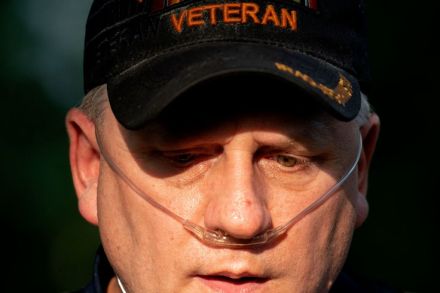
On July 28, 1932, the United States military attacked its own veterans. The desperate former soldiers, who had survived the horrors of World War One, had dug in for months in Washington, DC to get the bonuses that had been promised to them by Uncle Sam. Yet instead of paying the money they were entitled to, the Hoover administration dispatched General Douglas McArthur, who led against them four troops of cavalry, four companies of infantry, a machine gun squadron, and six tanks. Ninety years after the infamous attack on the Bonus Marchers, dozens of veterans camped out on the steps of the Capitol building for several days. These veterans were not routed, thankfully.
Biden dumps weapons into Ukraine

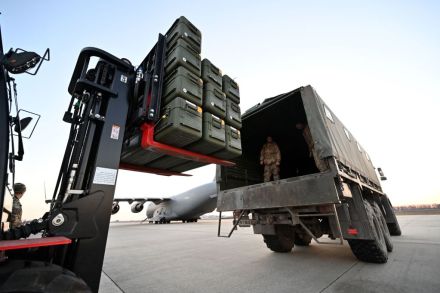
Over the last four months, the Biden administration has assured us that it is only sending “defensive weapons” to Ukraine. It's a claim that's become more difficult to believe as more sophisticated systems are announced seemingly every week that do not require further congressional approval. Take the most recent example. The White House announced a fresh $1 billion last week for 18 more Howitzers, more long-range missiles for the HIMARS rocket systems announced earlier this month, and a new weapon, Harpoon anti-ship missiles. These are systems that can strike at the more than 20 Russian naval vessels accused of blockading Ukraine’s eastern ports.

The new unpatriotic conservatives

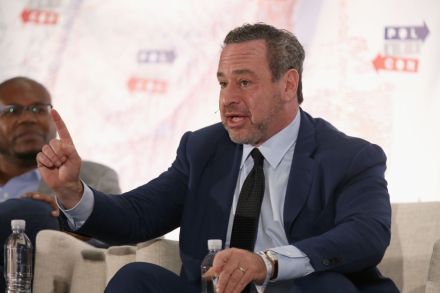
The die against conservatives opposed to the Iraq war was cast by David Frum in a now-infamous essay for National Review back in 2003. Not only were the right's antiwar sorts unpatriotic, Frum charged, they were defeatist and conspiratorialist appeasers. “They have made common cause with the left-wing and Islamist antiwar movements in this country and in Europe,” he wrote. As one can imagine, this made it quite difficult for this small but active faction of the conservative movement (which included the American Conservative magazine and libertarians like Texas Congressman Ron Paul) to penetrate the mainstream, or build trust with their compatriots across the aisle.

Paying the price for Obama’s drone war

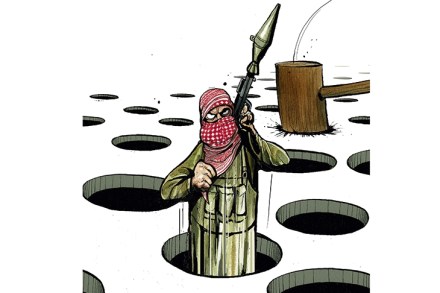
It was nearly six years ago on October 3 that the Médecins Sans Frontières hospital near Kunduz, Afghanistan, was hit by US airstrikes. The bombings occurred 'repeatedly and precisely' and for more than 30 minutes afterwards, hospital officials frantically called Afghan and American military officials. In the end, the hospital — which was caring for Afghans wounded in the ongoing war — was partially destroyed and 22 civilians and medical workers lay dead. The timeline afterward went something like this: the Pentagon acknowledged there may have been collateral damage to a nearby medical facility during a fight with Taliban insurgents. A day later, officials said the US had fired on insurgents who were engaging with Afghan military in 'the vicinity' of the hospital.

price obama drone war

The long march to disaster

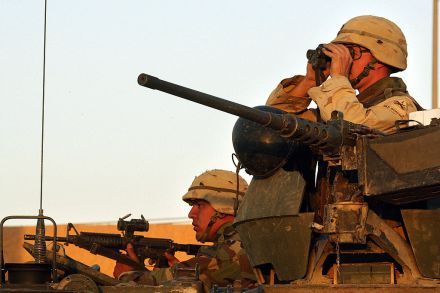
In the weeks after the 9/11 attacks, Americans came together in a spirit of grief, resolve and shared national pride. It didn’t last long, but this potent energy animated the US military’s mission and a new generation of recruits who signed up to ‘do their part’ in the wake of the tragedy. Twenty years later, it is not the same military. As an institution, its impunity, hubris and access to unprecedented financial spoils have led to corruption and mediocrity at the top. The exploitation of all-volunteer forces to fight protracted wars of choice without proper care and attention to their consequences has left veterans jaded and skeptical of the value of their service in a system that continues to fail them.

afghanistan iraq military

Adios, AUMF

Saddam Hussein was executed at the gallows in 2006 — but the Authorization for the Use of Force used by the US military to topple his regime in Iraq is still alive and kicking, a legacy the Pentagon has been loath to bury along with that war. That legislation, passed in October ahead of the March 2003 invasion of Baghdad, authorized then-president George W. Bush to use the Armed Forces of the United States ‘as he determines to be necessary and appropriate’ in order to ‘defend the national security of the United States against the continuing threat posed by Iraq; and enforce all relevant United Nations Security Council Resolutions regarding Iraq’.

aumf

The dark Prince

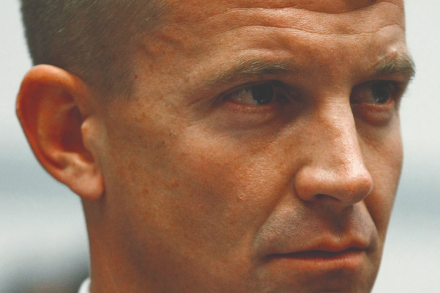
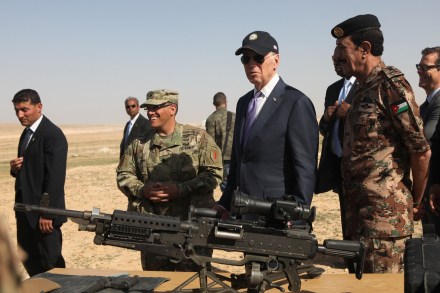
‘No modern US war would be complete without the involvement of Blackwater founder Erik Prince,’ wrote journalist Jeremy Scahill in his seminal book Dirty Wars. That was back in 2013. Since its founding in 1997, Blackwater, Prince’s private military outfit, has been reincarnated several times under different names. But Prince has stayed the same. Iraq, Afghanistan, Libya, Somalia — Prince, a very 21st-century mercenary, has wreaked havoc in all these places. He comes, he spoils, he leaves a mess that is impossible to clear up. Take Libya.

prince

Will the Biden presidency mean more wars?

From our UK edition

34 min listen

Joe Biden's supporters say he will restore America's standing in the world, but with his foreign policy team looking like an Obama-era reunion, will the country simply become more interventionist? Freddy Gray speaks to Kelley Beaucar Vlahos, senior adviser at the Quincy Institute, about whether a Biden presidency will mean more wars.

The fall of Petraeus

From our UK edition

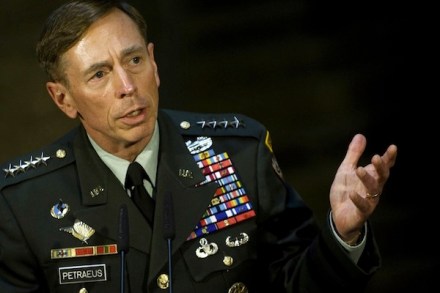
In the middle of a breaking news story, MSNBC’s Andrea Mitchell sounded like she was about to cry. Something had happened to the CIA director David Petraeus — but what? Andrea ticked off his accomplishments one by one, the phrase ‘personal tragedy’ echoing ominously over the airwaves. For the love of Mike, was he in a coma? Dead? It took a few more painful moments of this boilerplate obituary and Mitchell’s palpable grief for it to sink in: ‘King David’ had done something bad — an extramarital affair! — for which he apparently took responsibility, and so he had immediately resigned his post. Over the next days, the scandal spread. General John Allen was at it too, allegedly, sending ‘potentially inappropriate’ emails.