Eat at Joe’s
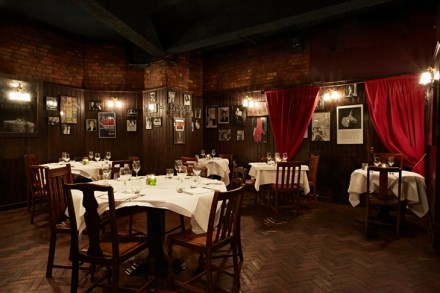
It is rare for me to write a love letter to a London restaurant, but Joe Allen, which is 40 this year, deserves it; if you have any sense you will throw off misery and go there now for hamburgers. It is not really a London restaurant, which may be why I love it, but a Manhattan restaurant (established on 46th Street in 1965 by a man called Joe Allen) that was transplanted to London in 1977; the idea of Manhattan, anyway, which is more vivid in imagination than in life. I like to imagine the cast of All About Eve in Joe Allen, talking nonsense about ‘the theatre’ as they did in Joseph L. Mankiewicz’s words, because they were possessed. (‘You’re too short for that gesture.’ ‘What a dull cliché.’ ‘I hate men.