Energy

Letters: To achieve net zero, we need to go nuclear

From our UK edition

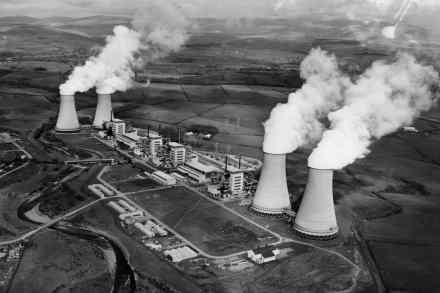
Nuclear future Sir: It is refreshing to see Martin Vander Weyer note that, properly and fully costed, nuclear power is cheaper than power from wind and solar sources (Any other business, 26 March). That is because, as he says, ‘wind and solar require excess capacity and battery storage to compensate for periods of low output’. It cannot be predicted when those periods of low output will occur, and the proportion of our electricity provided by wind at any one time can be anywhere between 2 per cent and 40 per cent. Martin supports the aim to meet 25 per cent of UK energy needs using nuclear by the net-zero deadline of 2050. However, he has not yet asked the crucial question of where the non-nuclear portion of our energy might come from in 2050.

Energy independence is a false hope

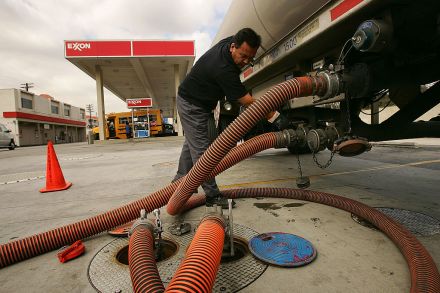
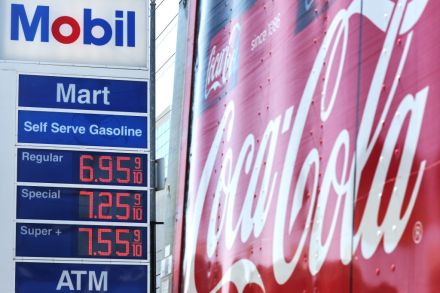
In the wake of Russia’s attack on Ukraine, gasoline and energy prices soared in the United States. While they’ve come down a bit since, it’s worth examining why war in Eastern Europe caused a spike in prices thousands of miles away — and whether a common proposal in response would have made a difference. Over the last decade, Republicans and Democrats have made “energy independence” a major policy priority. The goal in a nutshell is to produce the energy we need at home, so that the United States is more insulated economically from international disputes abroad. On this goal, advocates have made progress — in fact, the United States is already energy independent by some measures.

energy

The moral of P&O: too many strategic assets are in foreign hands

From our UK edition

P & O once stood for ‘Peninsular and Oriental’, with pleasant connotations of sailings to Cadiz and Constantinople – but after the furious reaction to P&O Ferries’ sacking of 800 UK workers, to be replaced by cheaper overseas agency staff, you might think it stands for ‘Putin and his Oligarchs’. With the mad Russian warmonger filling every headline, now is not a good time to turn yourself into a high-profile hate figure. With the pandemic barely over, now’s also not a good moment to be caught brutalising your workforce. But the man behind this sacking decision did all that in spades.

The West needs to spread doubt and fear

From our UK edition

Zakhar Prilepin is a well-known novelist in Russia and an ultra-nationalist warrior in Donbas. Once a member of the National Bolshevik party (yes, the left/right implications of its name are as bad as they sound), he is now a strong Putin supporter. He appeared on Russian state TV last Sunday to emphasise that the Russians should not try to appear nice and humane to the West (not a clear and present danger, one would have thought). Prilepin argued that Russia’s approach should be as harsh as possible: ‘If they [the West] are seriously afraid of the conflict with Russia, of WWIII, of nuclear war or the escalation of the conflict, we should be convincing them that we’re ready for it, that we love it, that we like to make war.’ I regret to say he is completely right.

How much is Europe (still) paying Putin for oil?

From our UK edition

When sanctions were imposed on Russia there was a big exception: Europe was still buying and paying for oil – leading to a bizarre situation. The West was doing everything it could to help Ukraine while still sending Putin hundreds of millions of dollars a day. But how much was that revenue worth to the Kremlin? As sanctions began to hit Russia, the price of Brent crude (the oil benchmark) soared to $130 a barrel, the highest since the 2008 financial crisis: an increase of over 90 per cent. It’s fallen since then but today it's still sitting between $107 and $115 dollars a barrel – well above where it had been weeks ago. But are these price rises making money for the Kremlin?

Angela Merkel’s legacy crumbles

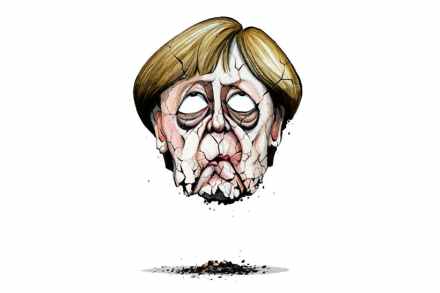
Angela Merkel is one of the most recognizable names in modern politics and probably the only German chancellor since post-war leader Konrad Adenauer that Americans will remember. Merkel was the leader of the center-right CDU party and head of the German government for a full 16 years, making her one of the longest-serving chancellors in German history as well as the first woman to hold the post. Now the full scale of her disastrous reign is becoming clear. Following the nuclear power plant incident at Fukushima in 2011, Merkel began Germany's "Energiewende" (energy shift), intending to phase out of all of Germany's nuclear plants in favor of renewables.

merkel retirement

Turkmenistan may emerge as a global powerbroker

From our UK edition

While the world is watching Ukraine, there is another former Soviet republic that has quietly undergone regime change. Turkmenistan’s 65-year-old former president, known, in the manner of a comic book superhero, as ‘The Protector’, stepped down in February. With Gurbanguly Berdymukhamedov's departure, the Mejlis Assembly duly called for elections on 12 March. As regime changes go this one was hardly revolutionary. The Protector's son, having just turned 40 (the minimum age at which a candidate can stand for the presidency) won the election at a canter. The only surprise was that Serdar, 'The Son of the Nation', won just 73 per cent of the vote compared to his father’s 97 per cent winning mandate in 2017.

Biden is right: the crypto world needs to be controlled

From our UK edition

President Biden’s executive order ‘Ensuring Responsible Development of Digital Assets’ won praise on all sides, an unfamiliar experience for one routinely dismissed these days as lacking the vigour or grip needed for presidential leadership. The order does little more than call for cross-government research into all things crypto. But in doing so it pleased bitcoin fanciers, NFT collectors and their ilk by acknowledging that their $3 trillion market is here to stay – while also giving comfort to sceptics who’d prefer to see crypto dealings brought under regulatory control like any other financial activity, rather than abandoned to the libertarian anarchy favoured by ardent cryptonauts.

The West has to bite its lip for Saudi oil

From our UK edition

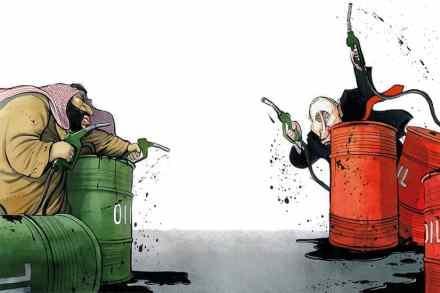
It would be ridiculous to claim that Boris Johnson’s visit to Saudi Arabia is not morally problematic. He is going to a country which held a mass execution for 81 people this weekend – a record number – and to visit a man who US intelligence blames for the brutal murder of the journalist Jamal Khashoggi. Yet, if the West wishes to reduce Vladimir Putin’s leverage – and stabilise the oil market – then it needs Saudi Arabia to pump more; no country has more spare capacity than Saudi Arabia, which could produce another 1.5 to 2 million barrels a day if it wanted to.

Biden must decide the environment’s price tag

Boris Johnson is considering doing something that should be a duty for every leader. In the wake of sanctions poised to disrupt the 8 percent of domestic oil and 18 percent of diesel the UK imports from Russia, Johnson is reportedly toying with the idea of putting his country first and on the road to self-sufficiency by lifting the UK’s moratorium on fracking. The British government banned hydraulic fracturing, or “fracking,” in 2019. Fracking is a method of extracting oil and natural gas by drilling deep underground and fracturing shale rock with a fluid mixture (99 percent water and sand) that allows fossil fuels to flow out, be captured, processed and used to myriad ends (including gasoline).

Why taking cold showers could help Ukraine

From our UK edition

I found myself in Berlin at the weekend gasping for breath in a cold shower, doing my bit for Ukraine. Berliners are a phlegmatic bunch but the arrival of a European war two hours from their doorstep is triggering memories of much darker periods of conflict and stirring not-so-dormant feelings of solidarity and direct action. Could cold showers be the answer? Last week the German government undid decades of foreign policy, announcing massive investment in German defence spending and sending anti-tank and air defence weapons to Ukraine. Chancellor Olaf Scholz called Putin’s invasion a Zeitenwende, a ‘watershed moment’ as he pledged €100 billion to upgrade German’s defence forces and committed to top the two per cent GDP contribution to NATO.

gas

Did Biden’s energy policy lead to high gas prices?

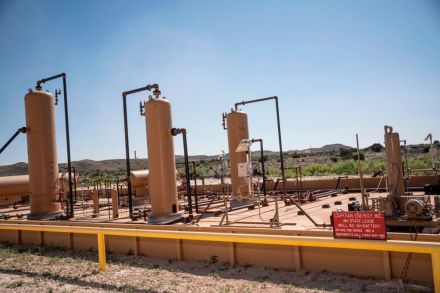
The price of petroleum products is inherently cyclical, rising and falling over time due to natural and ineluctable economic forces. This has been going on since the dawn of the petroleum industry 163 years ago. The reason is that exploration for and development of petroleum resources are extremely capital intensive activities. Thus when prices are low, there is little incentive to increase production by taking the risks inherent in looking for and developing new supplies. But then, as the world economy expands over time, the demand for petroleum products increases, and prices rise. This increases the incentive to go look for more oil and gas, and the rig count goes up. New fields are located and new technologies (such as fracking) come on line.

‘Let them eat Teslas’

As gas prices soar, America’s elites have a message for the disgruntled masses: buy an electric vehicle, stupid. Transportation secretary Pete Buttigieg appeared at a press event with Vice President Kamala Harris on Monday where the dynamic duo lectured Americans on the importance of going green. Buttigieg proudly boasted from the podium, “Last month, we announced a $5 billion investment to build out a nationwide electric vehicle-charging network so that people from rural, to suburban, to urban communities can all benefit from the gas savings of driving an EV.” While some critics found the sermon tone-deaf, others applauded the secretary’s sentiment.

gas teslas

Is fracking the answer to the energy crisis?

From our UK edition

I’ll approach the hot topic of a ban on Russian oil by way of personal anecdote: I’ve never been a soldier or a spook but I have twice found myself ensconced in secure Nato conference rooms. The first occasion was a group visit to the military alliance’s Brussels headquarters 42 years ago, when an unsmiling American defence expert introduced us to the concept of ‘Mutually Assured Destruction’ – whose acronym was the key to the tense but relatively stable Cold War stand-off. In simple terms, it would have been utter madness for either side to fire the first nuclear missile. The odds on that happening by Kremlin order or error today are by no means as long as they were in 1980.

Which European countries are most reliant on Russian gas?

From our UK edition

High commodity Nickel trading was suspended this week after prices rose to over $100,000 per tonne – double its previous peak of $50,000. How do other commodity prices compare with their peaks since the 2008 financial crisis? Previous peak Silver $43 Brent crude $140 Gold $1,853 Aluminium $3,124 Tin $33,015 This week Silver $26 Brent crude $139 Gold $2,050 Aluminium $3,849 Tin $50,025 Short squeeze The extraordinary rise in nickel prices was partly caused by a ‘short squeeze’, where investors try to exploit bets by other traders that prices would decrease.

Letters: Britain must offer immediate sanctuary to Ukrainians

From our UK edition

Unintended consequences Sir: The West has got it wrong when it comes to putting a stranglehold on Vladimir Putin (‘Putin’s rage’, 5 March). Harsh economic sanctions will ultimately punish millions of ordinary Russians, many of whom are poor and probably against the invasion of Ukraine. If the products Russian workers produce do not sell then those workers become unemployed and forced into poverty. That could quickly turn more Russian citizens against the West, strengthening support for Putin rather than weakening it, thus prolonging the occupation and hostilities. So far, the West hasn’t done a great deal regarding this invasion, other than turn the wheels of Putin’s propaganda machine for him.

Why would the Saudis bail out Biden?

From our UK edition

Is Saudi Arabia shunning Washington? Mohammed bin Salman has reportedly been refusing to phone Joe Biden, who wants the kingdom to turn on its oil taps as the West desperately seeks alternatives to the Russian energy market.  Riyadh – the world’s largest oil exporter – has so far failed to accommodate Washington’s pleas. Ahead of the Russian invasion in mid-February, the US asked the Opec+ cartel – of which Saudi Arabia is the most important member – to produce more oil to slow the already rising prices. Opec+ stood firm, and said they would increase production by 400,000 barrels a day in April, a rise agreed before the threat of a Russian invasion of Ukraine.

Britain is paying the price for its fracking panic

From our UK edition

Between 1980 and 2005, the UK produced more energy than it needed. Today, we import more than a third of our energy and over half of our natural gas. Households are facing an increase in their annual tax bills from £1,500 to an eye-watering £3,000. While the Business Secretary may have tweeted this week that the current situation is a matter of high prices rather than security of supply, families already struggling to heat their homes are unlikely to tell the difference as they decide whether to heat their homes or pay for food. This was never a foregone conclusion. A decade ago, the US shale gas revolution was well underway, with fracking creating hundreds of thousands of jobs and driving down gas prices.

Our present bewilderment

Bewilderment, a novel by Richard Powers issued last September, has been praised to high heavens by Oprah Winfrey, Barack Obama, Naomi Klein, and reviewers at NPR, the New York Times, the Washington Post, and The New Republic, among others. This ought to be enough to warn any sensible reader to stay far away from its pages and to resign promptly from any reading group that nominates it for collective perusal. But I am not always sensible. The title lured me, for what better word to describe our Zeitgeist?

bewilderment