Featured articles

Features

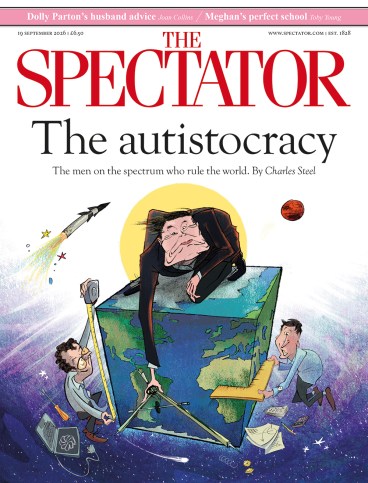
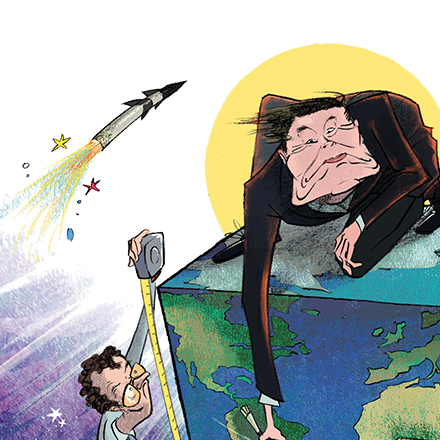
The autistocracy: the men on the spectrum who rule our world

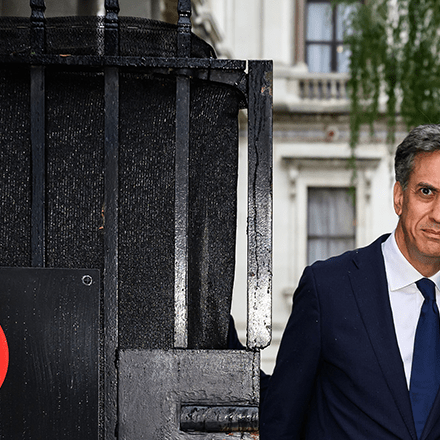
Ben Delo, the source of one half of Reform’s £72 million mega-donation, wrote in The Spectator last year about being diagnosed with Asperger’s syndrome as a child. The self-confessed geek, now 42, was socially awkward. He did not fit in and he did not care to. His condition would shape the course of his life, making him very good at maths, very rich and hellbent on getting involved in politics. Christopher Harborne, the crypto millionaire who has matched Delo’s donation, we know much less about. Despite being a billionaire many times over, the 63-year-old has the air of a chemistry teacher and an aversion to interviews. Like Delo, who until recently lived in Hong Kong, he also forged his way in the Far East, living in Thailand.
I’ve found the perfect school for Harry and Meghan

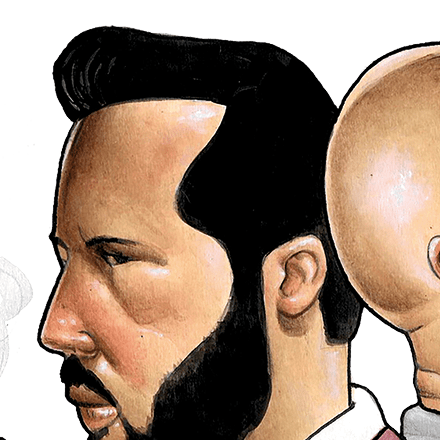
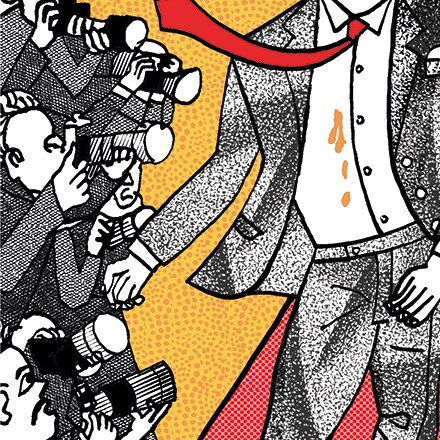
As the author of How to Lose Friends and Alienate People, I have to acknowledge that I still have some way to go to match the radioactive negativity Harry and Meghan generate with their every move. The Sussexes’ accumulated expertise in committing increasingly nauseating acts of hypocritical entitlement with every week that passes should qualify them both for a Regius Chair in Blithe Privilege at the University of Self-Regard. The latest episode in their narcissistic odyssey – The Sillyad – has been their agonising over where to send their children, Prince Archie and Princess Lilibet, to school. Harry and Meghan’s decision to educate them in England is, in its way, admirable.

Revealed: Ed Miliband ignored MI6’s warnings over Israel sanctions

When Andy Burnham was quizzed at PMQs last week about his and Ed Miliband’s decision to sanction the Israeli government over its handling of Gaza, the Prime Minister was surprisingly frank about the trade-offs. He presented it as a decision to prevent ‘the collapse of the two-state solution’ for a peace deal in the Middle East, which he claimed was ‘dying before our eyes’. In his statement to the Commons, Miliband referred to ‘ethnic cleansing’. But Burnham also admitted: ‘We gave the most careful consideration to… all of the risks. The Foreign Secretary and I took close advice from the security services and, of course, officials in the Foreign Office and in our embassies.

Death at the Athenaeum

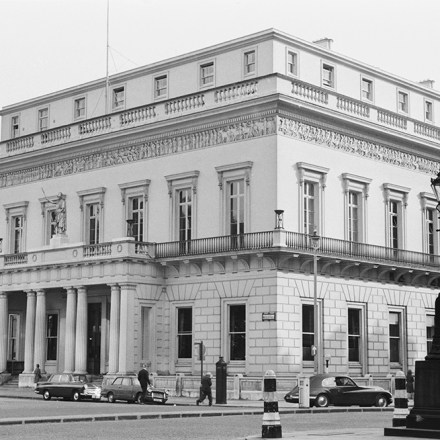
During the 1980s my friend Canon Brian Brindley was arguably the ‘highest’ clergyman in the Church of England, celebrating Solemn Masses of rococo splendour in Holy Trinity, Reading, a dreary little Victorian church on the Oxford Road. He also possessed the essential qualification of a great English eccentric: he did not know how eccentric he was. When I was a cub reporter on the Reading Chronicle I would sometimes run into Brindley parading through Sainsbury’s dressed as an 18th-century Roman monsignor. His buckled shoes with red heels – painted by himself – clopped like horse’s hooves against the linoleum as he scoured the aisles for ever creamier puddings. I once watched him sail into a civic dinner in Reading in a cream tropical cassock with violet buttons.

How I became a Canadian nationalist

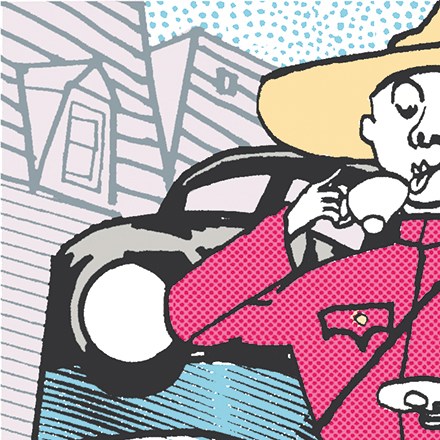
This is how I became a Canadian nationalist. I did it on the rebound. I never wanted to, and it is a strange experience to find myself pounding the arm of my chair when Mark Carney, of all people, defies the Almighty Trump. But it is so. Once, like that poor man who speaks the first lines in The Godfather, I believed in America, arsenal of liberty, land of the free, inheritor of Magna Carta and so on. Then, after a couple of years in Moscow I went to live in Washington, D.C. And it was there that I was gently wooed and eventually seduced by the land of maple syrup. To begin with, it was the discovery that soppy British sentiment about the USA was not in practice returned. It wasn’t so much that they didn’t like us as that they had barely heard of us.

Don’t fear the manosphere

I don’t pry too much into the online life of my son. At 13, Sam is a good boy. He does well at school, eats his veg, loves his mum and captains his county cricket team. What more could I want? I suppose he could be more accurate when lobbing his pants at the laundry basket, especially considering he’s a spin bowler, but that’s a small detail. Last year, he started working out. He asked for weights and a pull-up bar. That was fine by me: boys have wanted big muscles since the dawn of time. Even my father owns a chest expander, that orangey-yellow and black one that was in every 1970s household. And Dad, who is now 91, taught history at Oxford and translates Goethe for fun, so it must be OK.

The impossible dream of a clean white shirt

I have no wish to sound like a worn and bitter hack, sand-blasted by weltschmerz, but I don’t have many ambitions left. It’s not like I want to write the Great Western Novel. AI can do that and who the hell reads any more? And I worry about ‘bucket lists’. They always seem remarkably similar. Ridiculous self-imposed sporting targets like marathons; the health-and-safety sanitised absurdity of ‘adrenaline’ experiences; pathologically unimaginative travel. I blame advertising for this. Indiscriminate 30-second reels of yoga/skydiving/surfing/beaches/hiking/street food in Thailand/stargazing in Machu bloody Picchu. God we’ve become dull. Even our ‘wildest dreams’ are commoditised and fully predictable.

Notes on...

The secret to creating instant atmosphere in your novel

‘In the distance a dog barks.’ When I read that sentence recently, in Sworn to Silence by Linda Castillo, it gave me pause for thought. Hadn’t I encountered variations on that phrase countless times before? My leisure reading tends towards undemanding thrillers, with high body counts and maverick crime-fighters unmasking unlikely serial killers. Which is possibly why the phrase seemed familiar – some hapless character in these novels is always setting off alone into the forest or down some mean street, usually in a swirling mist or at the dead of night, when somewhere in the distance, a dog barks. It never ends well. Once you notice distant barking dogs you realise they are everywhere.