‘Ballet is woman,’ Balanchine once gnomically pronounced. A remark not to be taken too literally, but essentially true. Like every afflicted balletomane, I can map out my lifelong passion for the art in terms of my adoration from afar of a succession of ballerinas – any awe I feel for their male counterparts is something quite different.
First for me came Margot Fonteyn, of course – though I saw her only through the autumn of her career, when her body was stiffening and she relied on some divine inner grace to make an effect. (Meredith Daneman’s magnificent biography illuminates this weirdly complex woman, with her steely self-control, enormous generosity and poisonous political views.) But I was lucky to see all Fonteyn’s Royal Ballet successors in their glorious primes: Antoinette Sibley, Merle Park and Lynn Seymour, a generation unmatched since for sheer personality and musicality, muses for great choreography by both Ashton and MacMillan. Of those who came to the company after them, I have felt most strongly the genius of Alina Cojocaru.

I’ve also been in thrall to a parade of Slavic majesties, proudly absorbed in their own beauty, intensely poetic and spiritual in manner: Svetlana Beriosova, Natalia Makarova, Altynai Asylmuratova, Ulyana Lopatkina and Svetlana Zakharova noblest among them. So many French seductresses too – Isabelle Guérin, Élisabeth Platel, Agnès Letestu, Sylvie Guillem, all more chic and worldly than their foreign sisters. And how could I not salute fabulous one-off American creatures such as Suzanne Farrell and Gelsey Kirkland?
What brought on this rhapsodic catalogue is a month in which I have seen performances by three of today’s finest female dancers. I’m not sure any of them make it into my ballerina pantheon, but balletomanes like me thrive on the idea that nobody today quite lives up to the legends of the past.
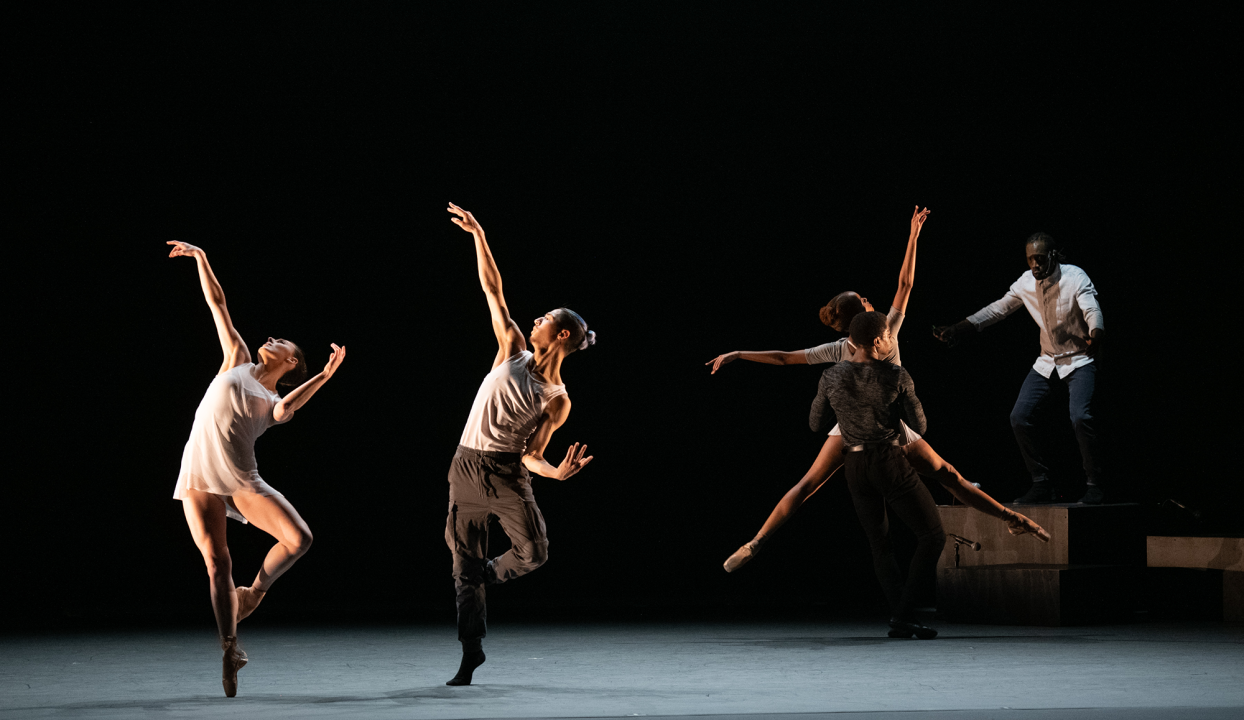
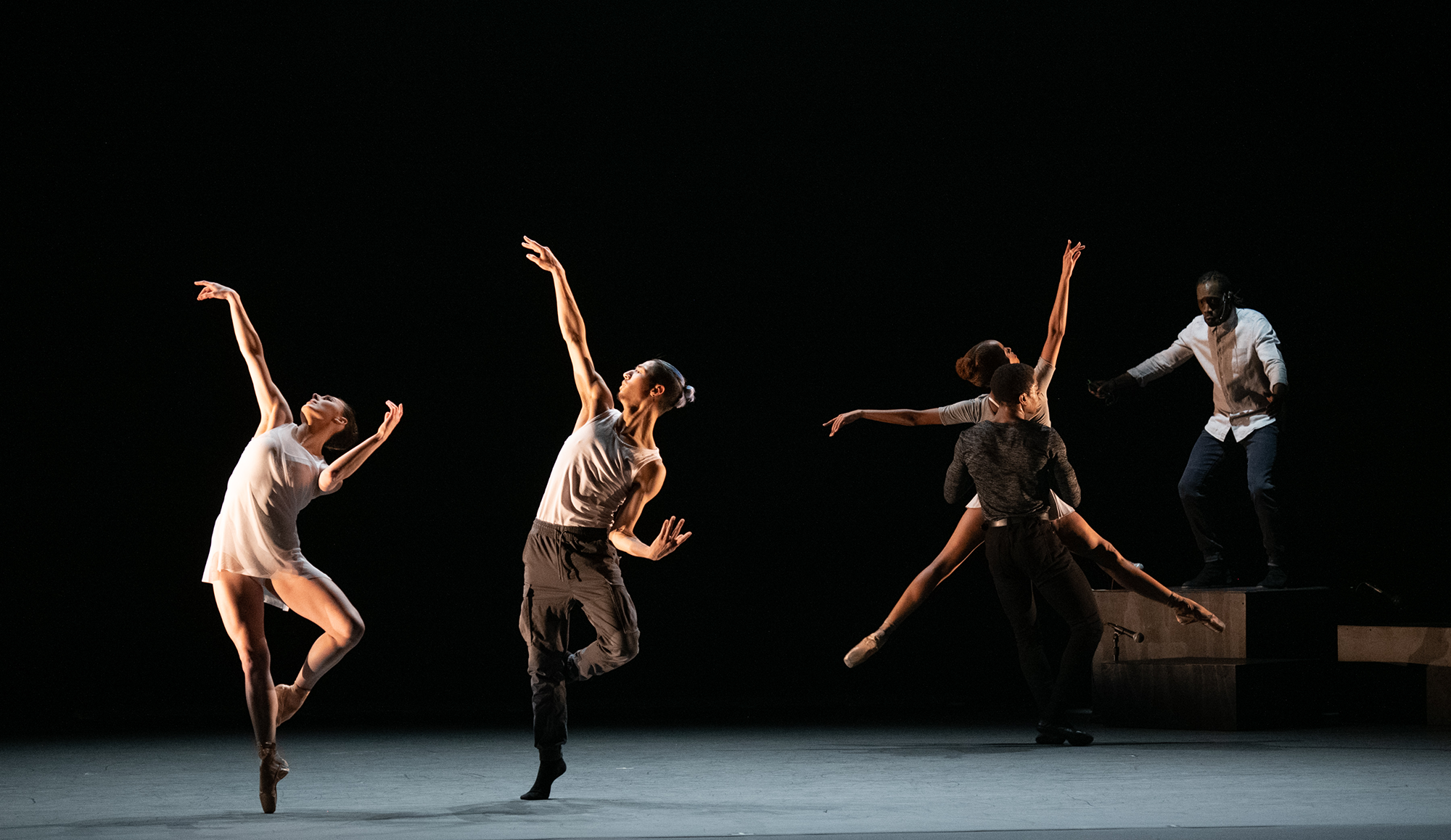
Tiler Peck returned to Sadler’s Wells with the same programme she had presented here in 2023 consisting of four short modern works, including one she had choregraphed herself. A bright star of New York City Ballet, she was supported here by a crack troupe among which was her husband, Roman Mejia. The sum of it was an enjoyable evening. Peck is a dancer without apparent physical limits: a firecracker, a laser, an Exocet, capable of staggering speed and precision-cut accuracy, both on and off pointe. She radiates unstoppable pleasure in her own virtuosity; she can turn it on or off with a flick of her foot or a twist of her torso. Jazz, hip hop, tap – she consumes them all, the very model of a modern ballerina. What she lacks is any light or shade, any mystique: it’s all out there, up front, and she amazes rather than allures.
The Royal Ballet has been staging another revival of Peter Wright’s 40-year-old production of Giselle, burdened by its clunky version of the first act. I saw two casts. In the title role, Francesca Hayward has all the gentle winsome charm that Peck lacks: one senses the character’s naivety and vulnerability as well as her capacity for pity and pardon. It’s a lovely interpretation, but I wonder if it projects beyond the critic’s privileged seats to the further reaches of the Royal Opera House’s amphitheatre.
Marianela Nunez dances without flaw. An exquisitely poised classicist, she unfurls an immaculately harmonious line, not a foot or finger wrongly placed and the characterisation carefully calibrated. I am not ungrateful, but where’s her heart? It’s all too perfect – to the point at which I confess I felt a shudder of schadenfreude when she took an accidental tumble in the second act.
A final brief word about the male of the species. Hayward’s Albrecht (and offstage partner), Cesar Corrales, was having an off night, recuperating from injury; but Nunez’s Patricio Reve, the company’s newest signing, made an impressively elegant debut.
Join me at Ballet Nights in London on Wednesday 29 April
Go to spectator.com/experiences for more information





Comments