Earlier this year, a poll conducted by the University of Massachusetts and the market research firm YouGov found that 70 percent of Americans have a favorable impression of Dolly Parton, with just 5 percent expressing an unfavorable opinion. That makes the blonde phenom America’s most broadly liked public figure. In other words: old or young, Democrat or Republican, woman or man, black or white – chances are, if you’re American, you like Dolly Parton.
Until recently, I was convinced the Knicks were to New York what the 11-time Grammy winner is to the whole country: the last remaining bastion of common ground. Everyone, I thought, had at least a soft spot for the Knicks. But now, though, I’m reconsidering. I’m starting to understand that the Knicks aren’t just New York’s Dolly Parton. They’re New York itself.
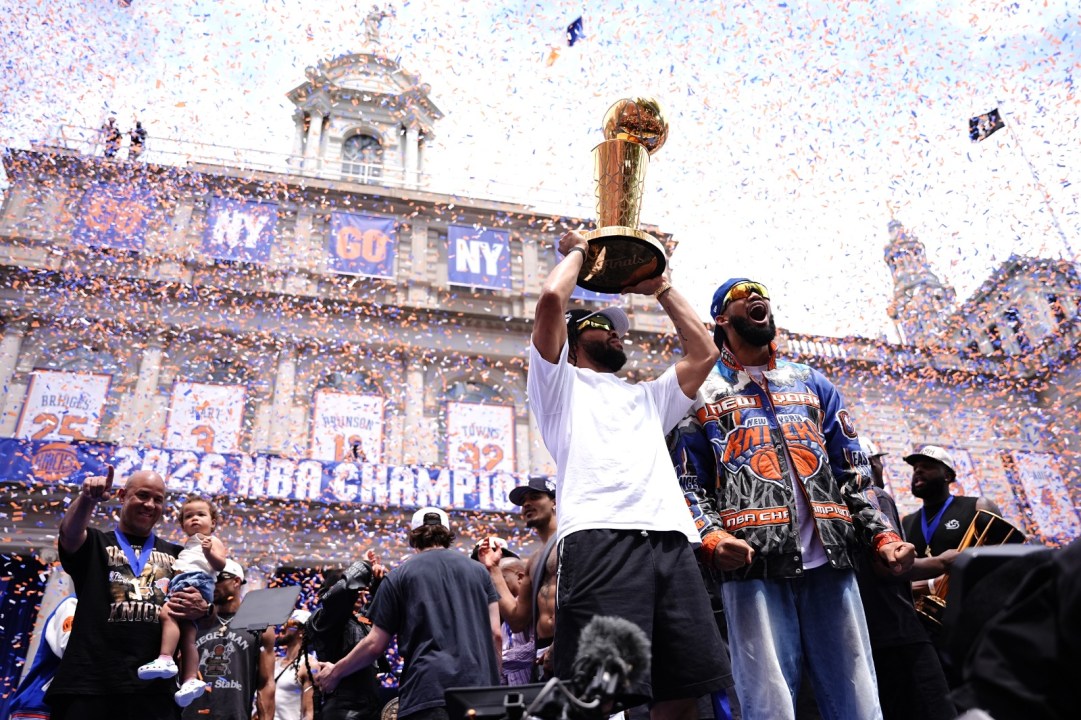
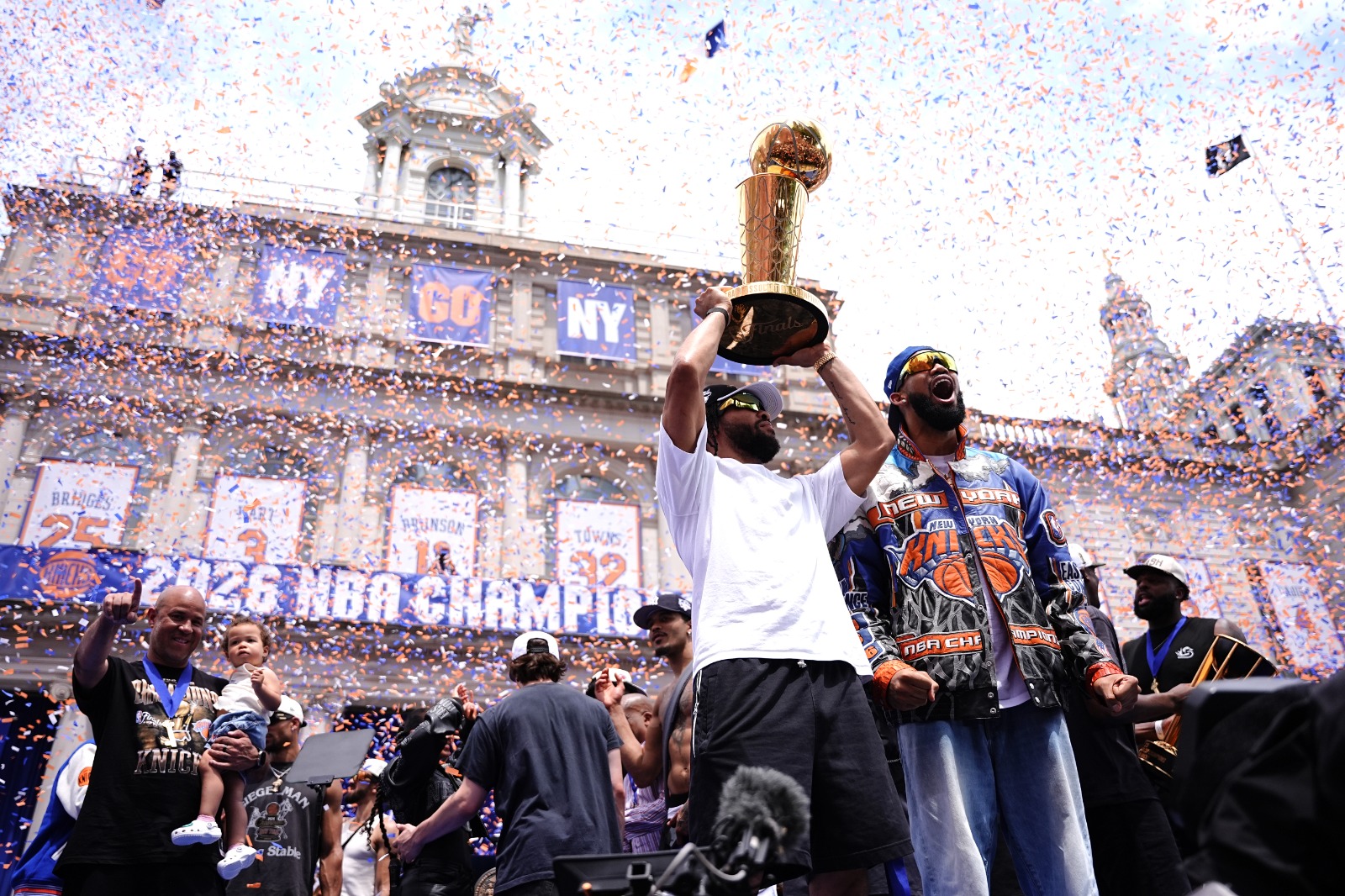
Just before midnight on June 13, the New York Knickerbockers outran history. After 53 years of false starts, heartbreak and punchlines, the blue-and-orange franchise won its first NBA championship since 1973, turning half a century of waiting, wanting and hoping into a delirious night of euphoria.
There were fireworks and Champagne; there were spontaneous mass gatherings outside neighborhood bodegas and splitting-at-the-seams sports bars; there were group renditions of Alicia Keys and Frank Sinatra; there were hugs between strangers; fist bumps with cab drivers; cops on the beat forgetting they had jobs. There was laughter and there were tears and cries of relief. There were prayers to the gods and whispers to deceased relatives who would’ve loved to have witnessed this day. There were glassy-eyed toddlers up well past bedtime and stunned octogenarians perched on stoops surveying the block parties erupting before them. There was community and connection and unbridled joy, which is, of course, lovely in any city, but sort of magical in a city that sometimes feels like it’s built on a particularly powerful flavor of nonchalance.
Just as disaster can change a city,so can joy
If, like me a few weeks ago, you are oblivious to the mechanics of the NBA, then here’s a primer. Thirty teams spend the better part of eight months trying to qualify for the playoffs, a knockout tournament in which each round is decided not by a single game, but by a best-of-seven series. The first team to win four games advances. Win four series and you lift the Larry O’Brien Trophy. This year, the Knicks’ final hurdle came in the form of the San Antonio Spurs. Having won three of the first four games, the Knicks arrived at their final game with one hand already on the trophy. A 94-90 victory sealed the deal.
With every step the Knicks took toward the title, New York slowly seemed to abandon its most sacred civic value: minding its own business. First, I observed the accidental eye contact on the subway, then the unsolicited conversations in coffee-shop lines and elevators. By the Finals, complete strangers were discussing player Jalen Brunson’s right knee before they’d even introduced themselves to each other.
One of the things that’s struck me most through all of this has been the generosity of the fandom. There doesn’t seem to be a hierarchy of devotion, no competition over who has suffered longest or believed hardest. In other sports, lifelong supporters might treat latecomers with a patronizing superiority, an entitled holier-than-thou-ness. But not here.
The morning after the spectacle, groggy and elated for a team I couldn’t have cared less about a month ago, I was exchanging messages with a friend. We were conducting our own post-game analysis, not just of the game but of the celebrations that had reverberated through our respective neighborhoods right until the first signs of sunrise. “What makes this so special,” she observed, “is that usually when New York comes together like this, it’s when something terrible happens. Covid, or Sandy or 9/11.”
She’s right, of course. New York has proved time and again that it can come together when things are rough. But just as disaster can change a city, so can joy. We wear our indifference like armor. It turns out all it takes to make a chink in it is a really great night of sports culminating in a once-in-a-generation victory.





Comments