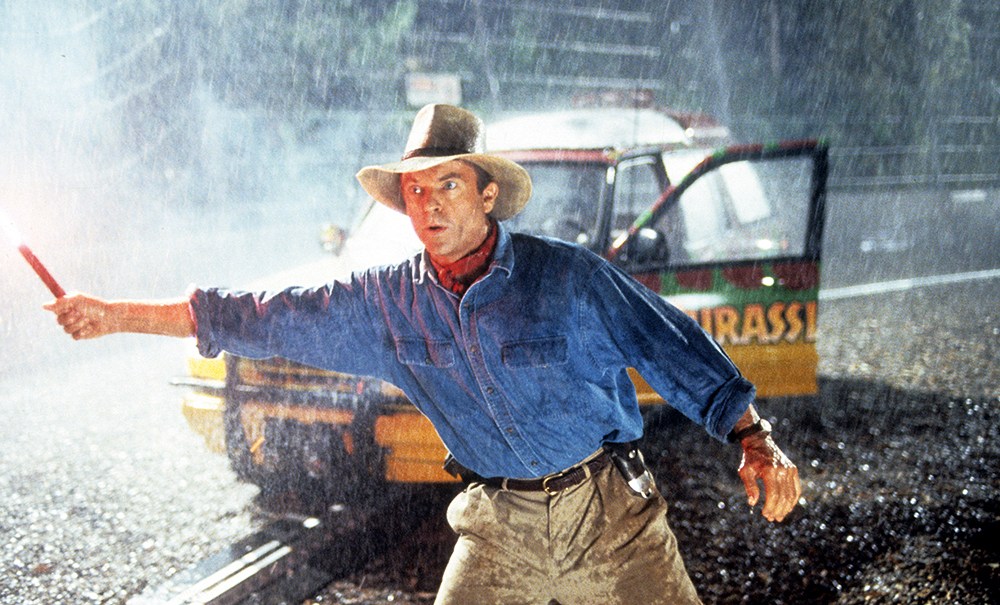
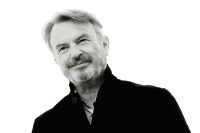
The recent death of the actor Sam Neill, at the age of 78, was greeted with a mixture of surprise, sorrow and, in many quarters, unexpected grief. It is likely that Neill would have regarded the lavish tributes paid to him by actors, filmmakers and politicians with a mixture of embarrassment and quiet pride, because although he was a brilliantly versatile actor who managed to make a deep impression in virtually every role that he undertook over his five-decade-long career, he was also someone instinctively uncomfortable with the limelight. It was typical of him that, while he owned a house in Los Angeles for work reasons, he was happiest in his native New Zealand making wine and posting amusingly self-deprecating videos on social media, all of which made him seem a great deal more accessible, and likable, than many of his more self-regarding peers.
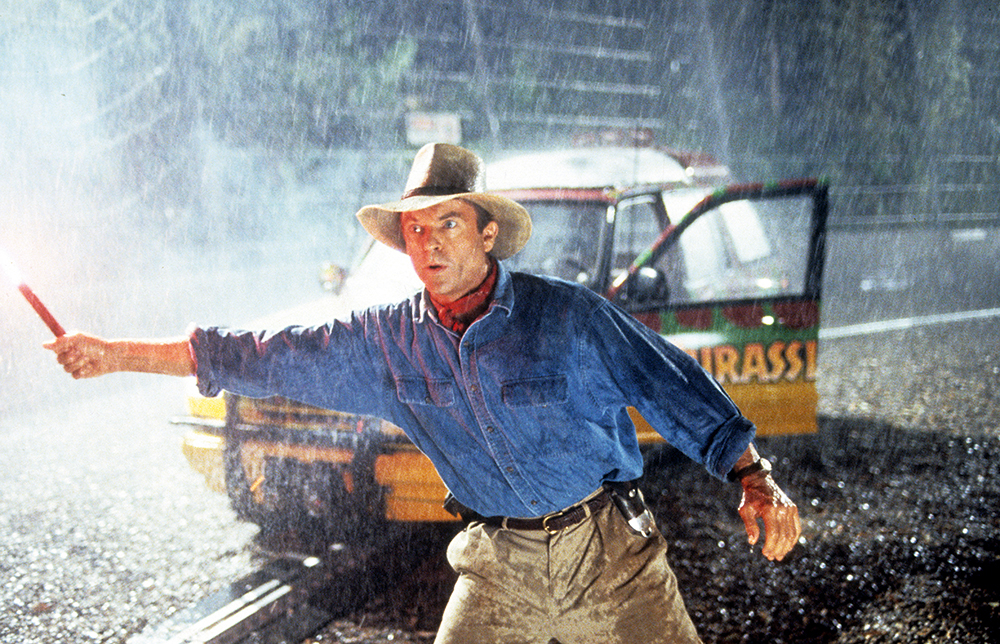
Part of the secret to Neill’s success was that he could move between three very different film industries – Hollywood, Australia and Britain – and achieve significant and interesting work within each one. He was best known by many for his starring role in Steven Spielberg’s dino blockbuster Jurassic Park, in which he played the paleontologist Dr. Alan Grant. It was, in truth, the kind of part that many actors might have played, and played decently – it was suggested that Neill was the third choice for the role, after Spielberg regular Harrison Ford and William Hurt both turned it down – but what Neill managed to bring to the film was a mixture of spikiness (his character loathes children, making him a reluctant protector of the jeopardized pre-pubescents who are terrorized by the revived denizens of the eponymous park), integrity and awe.
He was a brilliantly versatile actor who made a deep impression in virtually every role he undertook
It was a part that required him to do a great deal of green-screen acting opposite computer-generated dinosaurs – effects that still hold up over three decades later – and it was a tribute to Neill that he reprised the role of Grant twice more, once in the ho-hum Jurassic Park III and once in the positively terrible Jurassic World Dominion, and kept his dignity and sense of humor intact. No doubt the films gave him a huge degree of visibility and financial security; no doubt, also, they led to his becoming a household name. It was little surprise that Spielberg paid warm tribute to Neill after his death, saying, “Sam was exceptionally collaborative. It was a stretch for him to play a character who acted as though children were messy and smelly because this was the opposite of the loving father he was to his children.” The director concluded that, “Along with Laura Dern and Jeff Goldblum, we will always have our ‘Jurassic’ family and Sam will never be forgotten by us or his many millions of fans around the world.”
All well and good. Yet Neill himself, while always warm about the films and modest about the enormous success that he played a reasonably significant role in – a lesser actor would have sunk them – was also modest enough to regard them as part of a varied and rich career which began in 1975 with the New Zealand crime drama Landfall and stretches toward next year’s Godzilla x Kong: Supernova, in which he will be playing one of the authority figures that he often specialized in later in life. He was never out of work, bar a brief stretch where he deliberately shunned the industry for a while because he was diagnosed with a rare blood cancer, and at the very least, he was competent and effective in the parts that he played, supporting or lead alike. More often, however, he was unforgettable, with a chameleonic ability to shift himself between personae and characters.
If there is such a thing as a typical Sam Neill performance, many might think of his Dr. Grant, or alternatively the warmth of his Cliff Buxton from the Australian comedy The Dish, which offered him a fine showcase as a cardigan-wearing astronomer whose widower status adds poignancy to the film’s many laughs. Yet he also excelled at evil parts, perhaps surprisingly for such a likable actor. He had an early hit with his grown-up Damien Thorn from The Final Conflict, allowing him to play the Antichrist as an amusingly arch businessman who nevertheless throws himself into scenery chewing with gusto, and would go on to similarly memorable roles in the cult horror picture Event Horizon, John Carpenter’s In The Mouth of Madness and, more recently, his Northern Irish policeman in the early seasons of Peaky Blinders, in which he gave Cillian Murphy’s Tommy Shelby a run for his money with a thick Belfast brogue and a vicious streak a mile wide.
He was more nuanced in Jane Campion’s The Piano, playing a lonely landowner whose arranged marriage to Holly Hunter’s mute pianist does not go according to plan, and had a good part as Sean Connery’s number two in The Hunt For Red October. And examination of Neill’s filmography throws up all sorts of pleasant surprises and half-forgotten delights, whether it’s his wry, charismatic Charles II in Restoration, giving Robert Downey Jr’s idealistic physician a few lessons in 17th-century realpolitik, or, wonderfully, his Dean Spanley in the barely seen eponymous 2008 film, a Victorian clergyman who regresses to memories of his former life as a dog when given Tokaji wine.
If there were one too many firm-but-fair authority figures late in his career, then at least he’s the best Merlin on screen after Nicol Williamson’s lunatic incarnation of the part in Excalibur, in a fine and affecting 1998 miniseries. And if he couldn’t work magic on a part, he knew it, and said as much. When he appeared in the truly awful 2014 FIFA promotional film United Passions, he was unafraid to criticize it publicly.
He observed in his 2023 memoir Did I Ever Tell You This? that “[it was] possibly the worst title ever of a film. And I’m reliably told (I haven’t seen it) that it is rated as one of the worst films ever made, if not the worst. Frankly, I couldn’t give a damn. It was financed by FIFA itself, a vanity project if ever there was one. The offer came, and it came with a lot of money. Ridiculous.”
It was through projects like United Passions that Neill was able to pursue his own passion for viticulture, producing his acclaimed Two Paddocks wine at his vineyard in Central Otago in New Zealand. It often seemed, especially later in his career, that Neill was more interested in discussing the pinot noir wines that he produced, to some serious acclaim, than most of the films or television series that he appeared in.Co-stars on some undistinguished projects were delighted when the actor produced his wines for the wrap parties. Those of us who were not fortunate enough to be invited to such events can nevertheless purchase Two Paddocks’ excellent wines – perhaps the best to be produced under the auspices of any celebrity – at several distinguished restaurants or bars.
Mortality played an increasingly large role in Neill’s thoughts after the diagnosis of his cancer. His memoir began: “The thing is, I’m crook. Possibly dying. I may have to speed this up.” And although few would imagine that his last couple of roles may be the ones that define him, he segued neatly into playing the kind of gruff-but-kindly mentor roles that many older actors take, but did so particularly well.
Neill was more interested in discussing the wines he produced than most of his films
(If you haven’t watched Hunt For the Wilderpeople, do so, if only to be reminded of a time when Taika Waititi made decent films and wasn’t a byword for irritation.) And he seemed to be having fun with his celebrity, too; witness the way in which he named the various animals and birds that roamed around his vineyard after his co-stars, which led to some amusing incongruity when actors who might take themselves all too seriously otherwise found themselves giving their weighty names to various birds and beasts of the field.
Neill is, alas, now terminally crook, as he would put it. He gave enormous pleasure during his career to millions, all of whom surely appreciated his offscreen decency as much as they did his onscreen versatility, and he will also have a place in arthouse lovers’ hearts for his performances in such offbeat pictures as the cult horror Possession and the romantic comedy Yes.
He maintained a wry skepticism about all things throughout his life, too. He once remarked that, “I certainly don’t want to die playing a round of golf. And I don’t want to die like Elvis. That’s all they remember about him, the most beautiful man on the planet.”
Neill instead died respected and loved by those who thought that his work as an actor – and his wine – was a fine legacy to leave behind. Few could disagree with such a summation.

Comments