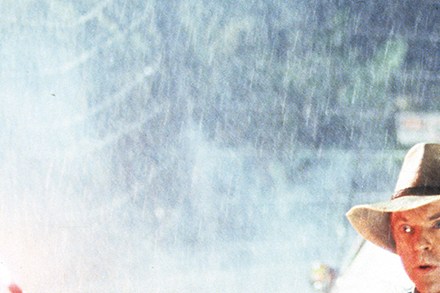
Steven spielberg

Coppola, Lucas and Spielberg’s outsized impact on 1970s cinema

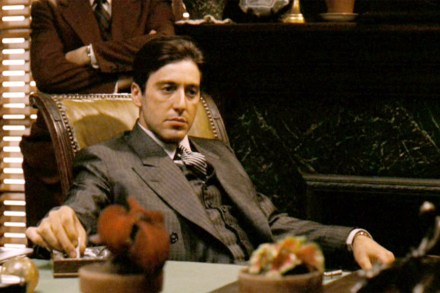
For any serious lover of cinema, the 1970s were both a golden decade and the beginning of the end of film as an art form. After the permissiveness and countercultural impact of the 1960s, a whole generation of new filmmakers emerged, many of whom remain household names. These men – and they were almost exclusively men – produced work that shook up expected norms and took the medium in new, thrilling directions. It is impossible to list all the pictures and their directors who made this difference, but there are good reasons why they remain celebrated today. And then Star Wars came along in 1977 and changed the trajectory of the industry forever.

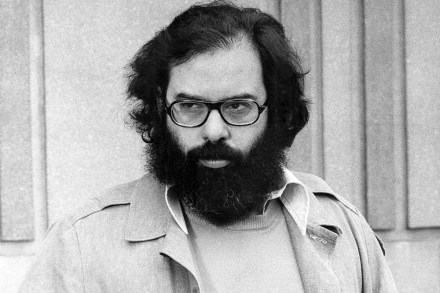
coppola

Does Spielberg’s new movie have real UFOs?

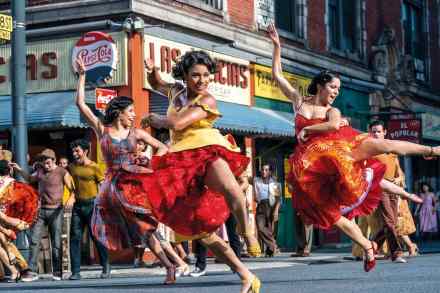
Steven Spielberg might be the most beloved and popular American director of the 20th century, but it is also unavoidably the case that, since 2005’s Munich, he has been on something of a disappointing run. While many of his films, not least The Fabelmans and West Side Story, have been critically acclaimed and Oscar-nominated, there is a growing sense that he has not made a really interesting or worthwhile picture in 20 years, with the partial exception of the enjoyable, quirky, Coen Brothers-scripted Bridge of Spies.

The new Stranger Things is loopy and sweet

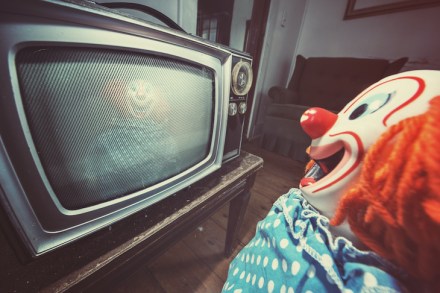
So, the new – and supposedly final – season of Stranger Things has arrived in Netflix, just in time for Thanksgiving. Expectations have been through the roof that this installment will not be a turkey, but the good (stranger?) thing about the series so far is that it has maintained a remarkably high level of quality since it began in 2016. This is by no means a given for an Eighties-inflected fantasy show that is so devoted (the cynics might and have said slavishly) to all things that Steven Spielberg produced in that decade that the bearded one might have sued for plagiarism, were it not for the fact that the homage remains an affectionate and heartfelt, rather than cynical, one.

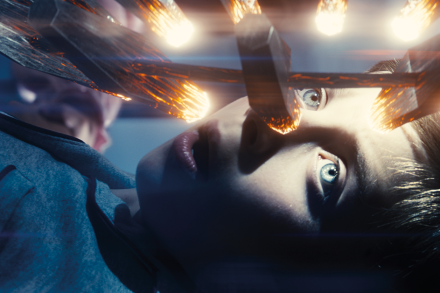
stranger things

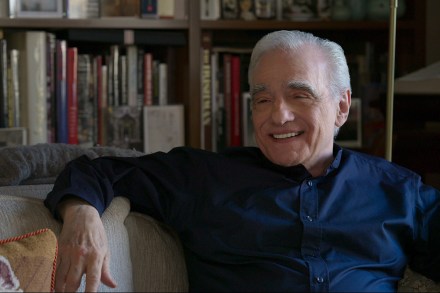
Is Martin Scorsese America’s greatest living director?

Who’s the greatest living American film director? Many would say Steven Spielberg, and that can’t be dismissed, but he hasn’t made a really good film since Munich (2005). There are many younger pretenders – such as David Fincher, Paul Thomas Anderson, Quentin Tarantino – and the more esoterically inclined might make the case for anyone from Terrence Malick to Spike Lee. Yet it’s hard not to feel that the don of contemporary American cinema is Martin Scorsese, whose career over the past five-and-a-half decades has existed, sans pareil, thanks to a vast dollop of talent, a considerable degree of good fortune and, crucially, an ability to lure both A-list collaborators and deep-pocketed moneymen into financing his films.

scorsese

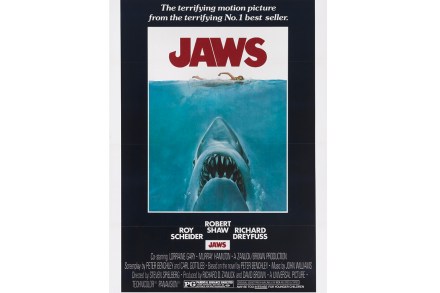
The enduring appeal of Jaws, 50 years on

It’s been 50 years since audiences first thrilled to the thudding theme music and bared teeth of the original Jaws. The movie, released on June 20, 1975, immediately had customers lining up around the block, recouping its then-astronomic $20 million production cost within a week. It still stands alongside Rocky and Star Wars as one of a trio of enduring “high-concept” mid-70s blockbusters. In keeping with Sylvester Stallone’s boxing picture and George Lucas’s space opera – and most other Hollywood money-spinners – it’s easy to forget that there was nothing inevitable about the film’s long-lasting success.

Jaws

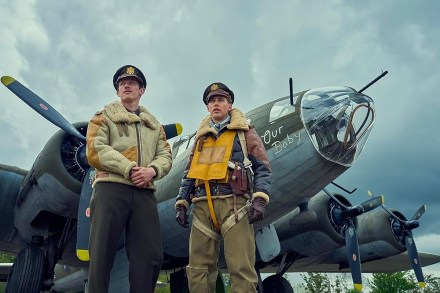
Masters of the Air is an old-fashioned TV masterpiece

The greatest show of the "new” TV era is probably Better Call Saul. It’s introspective and cynical and novelistic — and even the “good guys” aren't good guys; they’re just flawed rather than evil. Among those who’ve sold their souls, and others who never had them, our charming lead, Jimmy McGill is working to get his back, having pawned it off. It’s the best storytelling and characterization that the current style of TV can produce, and a triumph for the medium. Masters of the Air is a very different beast. It has the young rising talent of today — notably, Austin Butler and his Elvis voice, alongside Saltburn’s Barry Keoghan and the always excellent Callum Turner — and a bloated 2020s TV budget.

masters of the air

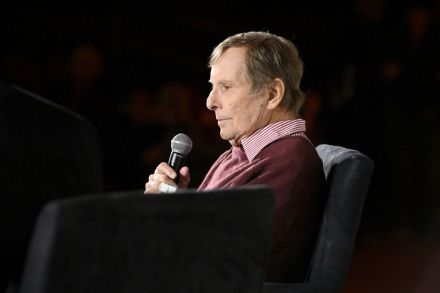
Why didn’t William Friedkin get much credit when he was alive?

Ask your average man on the street — or at least your average clued-up man with a decent knowledge of modern Hollywood — about the films of William Friedkin, who has died aged eighty-seven, and he will confidently sing the praises of Friedkin’s legendary pictures, The French Connection and The Exorcist. Then if he is pressed on the other eighteen films Friedkin directed, ranging from the excellent and underrated to the dismal, and a look of panic is likely to come over his face before he excuses himself and rushes into a nearby subway (or, if he is in New York, flees to an overground railway in homage to the legendary car chase scene in The French Connection). It is your choice whether you do a Popeye Doyle and head off in frantic pursuit, or leave him be.

william friedkin

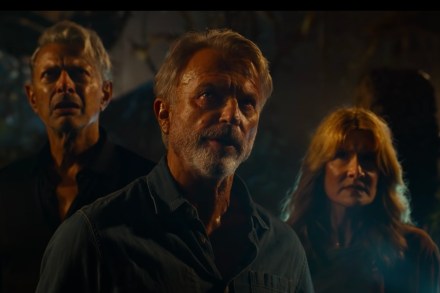
The Jurassic series is ready for its asteroid

The third — and apparently final, if rumors are to be believed — Jurassic Park film arrived in American theaters last weekend. Entitled Jurassic World: Dominion, one of those meaningless names that looks good on a poster, it was released to critical scorn: “the last time dinosaurs were subjected to a disaster this bad, an asteroid was involved” was a typical comment. Although Dominion opened to a mighty $145 million at the box office, terrible word of mouth is likely to see the gross plummet before very long. This is very much not a Top Gun: Maverick situation, where the most unlikely people have found themselves raving about a brilliant film. This is a bad, generic summer blockbuster, and it will be forgotten in due course, like all bad, generic summer blockbusters.

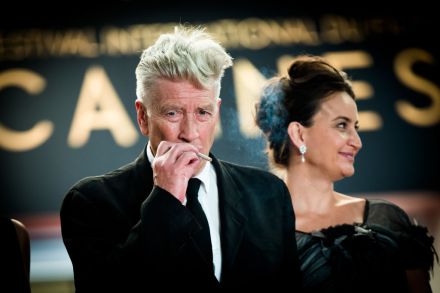
What is David Lynch up to now?

One of the most enduring images from the Oscars came two decades ago, at the 2002 ceremony, when director David Lynch revealed himself as one of the most courteous and pleasant figures in contemporary cinema. Ron Howard had just won the Best Director award for his work on the dishonest and ephemeral mental health drama A Beautiful Mind. As the beaming Howard — one of the most popular figures in Hollywood — headed onto the stage to collect his prize, two of his defeated rivals, Robert Altman and Lynch, embraced one another.

Ten films to help you celebrate Hallowquarantine

October 31 brings Halloween 2020 but after a year like this, the idea of a single day dedicated to unrelenting horror seems almost quaint. Answering the door to masked strangers isn’t the novelty it used to be, distributing candy apples to more than six trick-or-treaters now carries a five-figure fine, and by participating in this cultural appropriation of the Celtic festival of Samhain you run the risk of getting yourself canceled. This season of the witch it is altogether safer to stay indoors, blow out the jack-o-lantern and confine yourself to strictly cinematic scares. To help you celebrate Hallowquarantine, we have compiled a list of the 10 best movies about or set on All Hallows’ Eve. Halloween (1931) https://www.youtube.com/watch?

hallowquarantine

We’re not going to take it — again

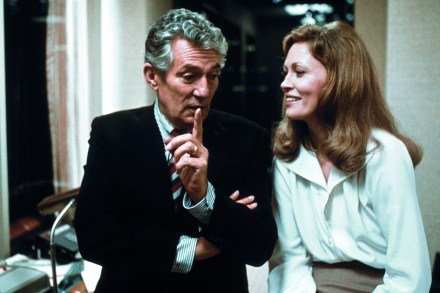
The everyday experience of 2020 includes televised demagogy and a national media making pure spectacle out of domestic terrorism and race riots. The less we believe what we see, the stranger the sights become. These experiences are also the story of Network, the 1976 Paddy Chayefsky/Sidney Lumet hit which won four Oscars out of its 10 nominations. We must ask ourselves why are we living out the 1970s again and, indeed, enacting its satire in deadly earnest. Marx said history repeats itself, first as tragedy, then as farce, but what did he know of Hollywood? A remake is the safest bet. We, however, have reversed Marx’s sequence.

network

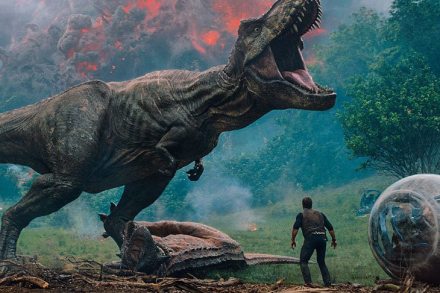
Cynical, one-dimensional and oddly colourless: Jurassic World – Fallen Kingdom reviewed

Back in the mists of prehistory, when I was eight, dinosaur films followed a set pattern. The dinosaurs themselves would be cheerfully unpalaeontological; women would wear improbable outfits; volcanoes would explode. Then, in 1993, courtesy of Steven Spielberg, came a sea-change. Jurassic Park was that cinematic rarity: a science fiction film that succeeded in influencing the science it was fictionalising. The story of a theme park populated by resurrected dinosaurs, it offered a portrayal of Mesozoic fauna that was as close to authentic as could then plausibly be achieved. For the first time, computer-generated imagery was used to portray dinosaurs as scientists had come to envisage them: agile, bird-like, smart. The impact was profound.