


A sanctimonious liberal like any other respectable 16-year-old, I made a seminal lurch to the right the first time I opened a pay slip. I was manning the register weekends for the Ice Capades Chalet in Atlanta and made about $40 a week. Or so I imagined. Then where the hell was it? The significantly lighter payment was my rude introduction to taxation at source.
Indignation at being fleeced at a minimal income persisted into my adulthood. I lived on a wing and a prayer for decades, and having to pitch anything whatsoever in the communal pot was consternating. I fancied that I asked for nothing from government; in trade, they should ask for nothing from me. I wasn’t yet a grown-up.
By that definition, a large portion of Britons are still not grown up, either. Indeed, the arrangement that suits about half the public is to ask for a great deal from government and put in little in return – for 50 per cent of British taxpayers contribute only 10 per cent of income tax revenue, far less than the roughly £20,000 that on average each adult costs the Exchequer.
Labour would still have us believe that the solution to the UK’s chronic deficit is to hammer ‘the rich’. On the street (meaning in the comment sections), loads of Guardian readers still cling stubbornly to the conviction that all their wealthy compatriots deploy devious, shady loopholes to pay practically nothing.
Hardly, but no endless repetition of the figures can part these people from their precious resentment. Mere facts have never dented the left-wing fantasy that the country’s accounts would be quids in if only the super-rich paid their ‘(un)fair share’. By contrast, many Spectator readers could probably recite these numbers by heart: the top 10 per cent of UK earners pay nearly 60 per cent of income tax; the top 1 per cent pay over a quarter, or roughly a third if we include capital gains (as we should); the top 0.01 per cent account for about 2.3 per cent of total income, yet still contribute a disproportionate 5 per cent of all income taxes. Typically, the new PM has mumbled the usual promises about cutting taxes of the less well off, but as Helena Kelly convincingly demonstrated in an essay in the Times at the weekend, in Britain it is the wealthy who are overtaxed.
That proposition so defies decades of political rhetoric that it wounds the nation’s very soul. In May, I suggested to a Hay Festival audience that the UK would only balance its books by getting more taxes from the lower and middle classes. No one clapped.
That was an affluent crowd, and a slightly higher basic rate would serve their interest. Bottom-bracket British taxpayers are undertaxed compared with the rest of Europe, and since 1980 lower earners’ contributions have been going proportionately down. Culturally, however, Britons who have improbably thrived financially have been trained to keep their traps shut. The ‘privileged’ never, ever complain in public about a government robbing them blind, and for services they under-use. In Wales, if the talent rails against ‘inequality’, that’s when you applaud.
Britain operates an essentially patrician tax system, dependent on a small, already milked-dry minority
Independent economists continually warn politicians that changes in tax policy change what people do. The ‘rich’ do not sit there inertly while you pick their pockets in plain view; even pea-brained pigeons get out of the way when you’re about to run them over. Accordingly, tax expert Dan Neidle has just estimated that Scotland’s raising of the top tax rate to 48 per cent has lost its national coffers £22 million in a single year.
Yet what exasperates me is officialdom’s obliviousness to how confiscatory tax systems make their victims feel. On the popular level, too, we see a staunch refusal to exercise an emotional imagination. Very well if Gary Lineker wants to volunteer additional donations. But taxation is coerced; Andy Burnham’s cosy rhetoric aside, the government doesn’t ‘ask’. So after a stonking bill from HMRC, few and far between are those citizens who light up with the warm glow of altruism – grateful that their personal prosperity has facilitated the opportunity to ‘give back’ and better the livelihoods of their fellow man.
Sorry – rich folks are people, too. Especially when taxation crosses that psychically incendiary 50 per cent mark, normal human beings get peeved. Affluent Britons may experience the resentment that dare not speak its name, but swallowed resentment grows only more dyspeptic. That 10 per cent of top earners shelling out six times their proportion of the tax-paying public? They feel like idiots. On top of paying VAT, stamp duty, fuel and alcohol duty, inheritance tax and the highest air passenger duty in the world, they feel taken advantage of, and no one enjoys being a mug. Britons who fall into the infamous ‘tax trap’ of income between £100,000 and £125,000 and suddenly pay 62 per cent – an outrage persisting for years that authorities obstinately refuse to fix – might as well have stepped in a steaming pile of poo. They feel stupid. They feel soiled. They feel humiliated.
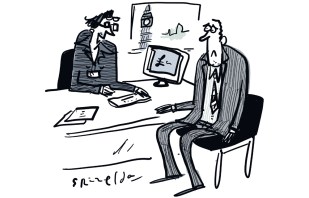
Avoiding extortionate taxation often involves earning less. But a primary driver of deliberately constraining one’s own income is emotional. On the receiving end, pip-squeaking policies trigger the up-yours reflex. No, I will not work hard all day for strangers, and you can’t make me. I will decline any raise that puts me over that £100,000 threshold (and many British wage earners are doing just that). Or, Stuff your self-assessment, I’m retiring early. Better skint than a fool and a patsy. If benefits claimants can scroll YouTube all day, I can do bugger all too.
Britain now operates an essentially patrician tax system, precariously dependent on a small, already milked-dry minority who can leave or down tools. Their thanks? Being widely despised and their compatriots convinced they pay nothing. OK, Whitehall is bleeding red ink. Ideally, then, rather than further squeeze the sort of hard-pressed lower earner that I was well into my late forties, take an unsparing scythe to spending. But what are the chances of that?


Comments