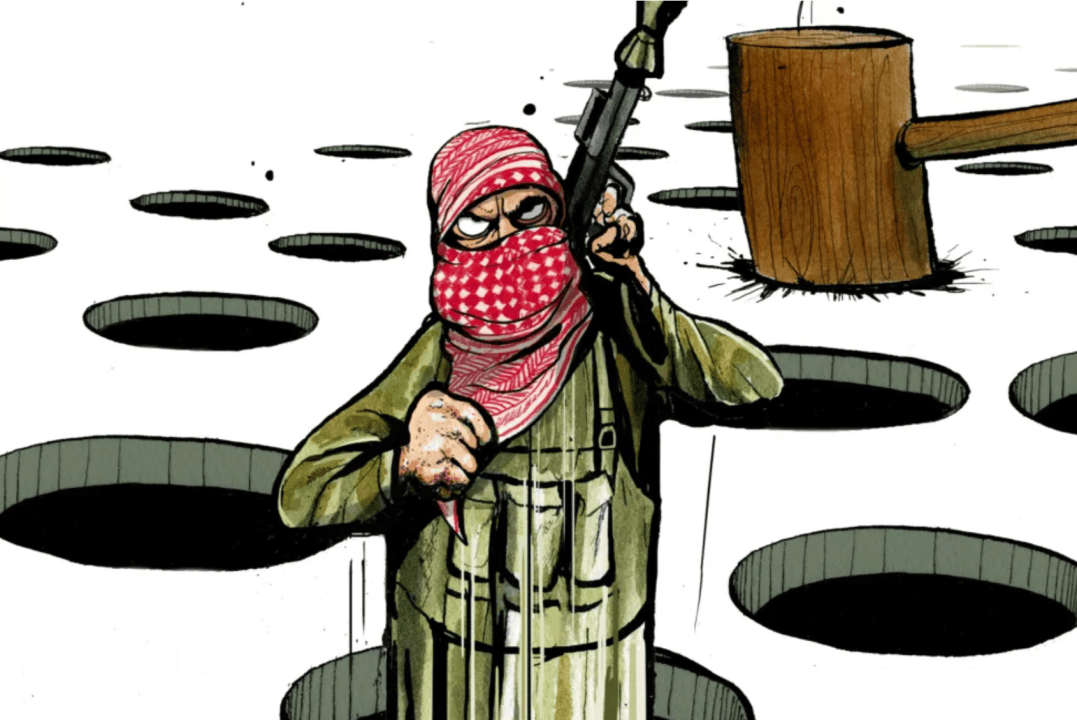
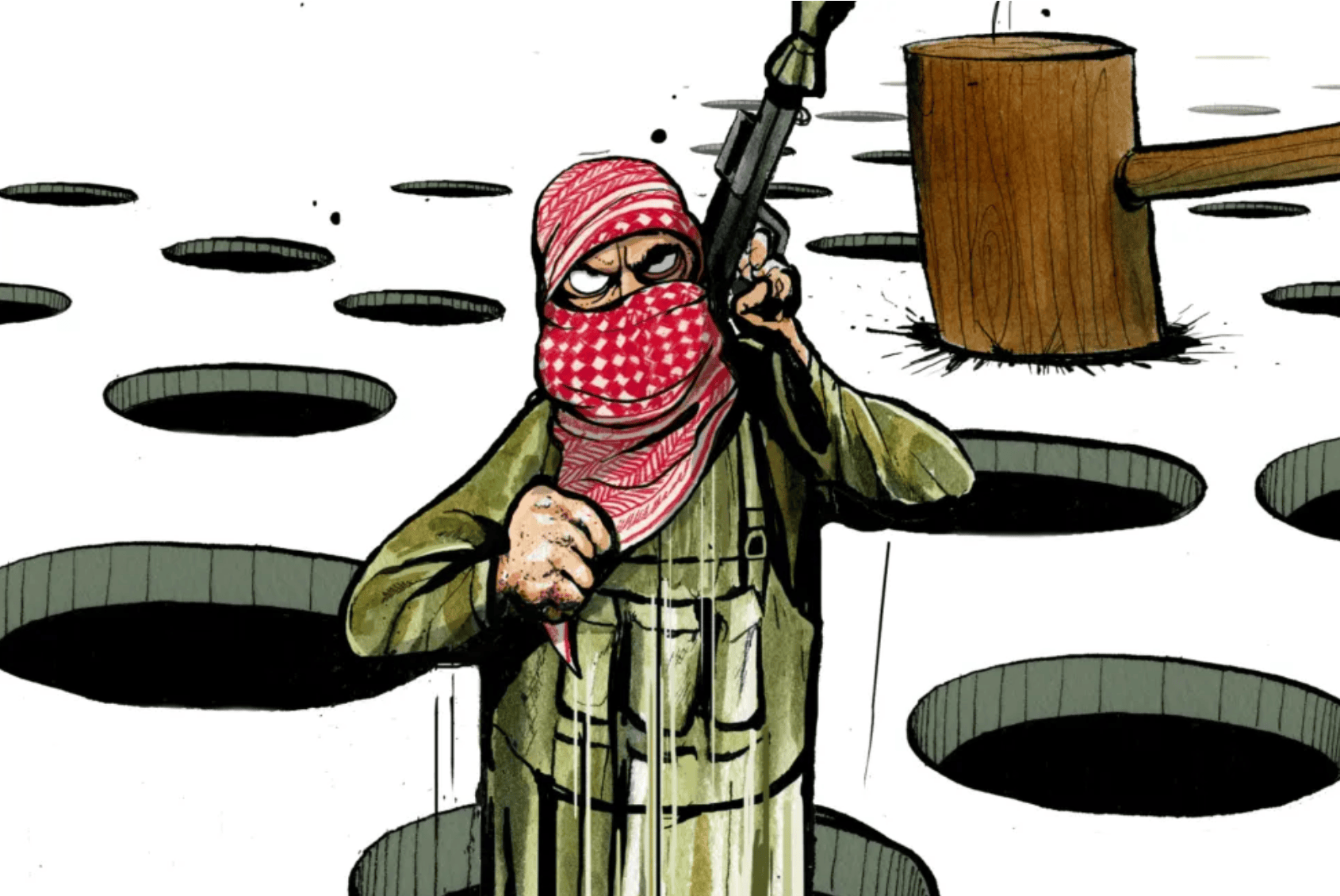
The world has become strangely numb to terror. Sometimes an atrocity will be sufficiently horrifying – the murder of Charlie Kirk, say – to cause mass shock and anguish. Yet now reports of car rammings or knife rampages or foiled Islamist plots feel almost routine. We have become inured to ideological violence.
In the quarter-century since 9/11, the specter of terrorism has almost become a fact of modern life. Last year, America was one of the few western countries to see a rise in terrorism, with 13 recorded attacks and 28 deaths. Today even the most appalling acts generate only a brief sense of widespread outrage. And then the news cycle moves on.
No mass killing has come close to the scale of the Twin Towers attacks. That is partly because we now live in a near-permanent security state, often without knowing it. Whenever we travel by air or attend a mass outdoor event, our faces are scanned, our bodies searched, our belongings inspected. Our communications are increasingly monitored.
Those who are motivated to kill are often, to use the official rubric, self-radicalized
That, in turn, has caused terrorism to adapt and become more low-level and stochastic. Modern attacks are usually conducted by lone wolves operating independently of any clear network.
It is rare for a terrorist to try something as audacious as hijacking a passenger flight. Yet that appears to be exactly what happened on September 30 on a Flydubai jet carrying a large number of Israeli passengers. Israel will soon mark the third anniversary of the October 7 attacks – and it seems as though this time of the year is when Islamist psychopaths do their best to do their worst.
Last month, the FBI arrested a man who was stockpiling weapons outside Pittsburgh, apparently planning a shooting spree in the name of Islamic State. In August, a woman from Albany, New York, was also apprehended for planning an ISIS-inspired attack on the state capitol. And in July, two men were convicted of planning to travel to Syria to fight for ISIS.

Those who are motivated to kill are often, to use the official rubric, self-radicalized. They’ve watched YouTube videos and built their own private narrative of grievance. In 2025, around 40 percent of terror attacks in the West could not be attributed to specific groups or ideologies, according to the Institute for Economics and Peace.
One of the great drivers of this process is migration. Many of these lone wolves are first and second-generation migrants to their host nations. They find themselves alienated from their cultures and resentful of their new homes. Since the turn of the century, the number of international migrants has more than doubled. There are now 304 million people living outside their country of birth. Many have reached Europe and America.
Governments refuse to acknowledge this reality, especially in Europe and Britain. Authorities announce that a suspect is a domestic national in the hours after an attack in an attempt to quell what they regard as the greater threat of right-wing anger.
Take the 2024 Southport attack in Britain. The public was told that the killer of three young girls at a Taylor Swift dance class was a Welsh choirboy. After the courts lifted the perpetrator’s anonymity, it was revealed he was Axel Rudakubana, the child of Rwandan Tutsi immigrants. His laptop was found to contain al-Qaeda training manuals, graphic videos of beheadings and extensive material related to the Rwandan genocide.
In America, Donald Trump won in large part because he was willing to confront a truth that the public understands all too well but is discouraged from acknowledging: the link between uncontrolled immigration and crime and terror.
Trump was elected twice because he promised to close the border and draw a line under the forever wars that simply fueled more violence and chaos. In his second term, he has had great success in blocking illegal migration. But earlier this year, he launched a perilous war against Iran, which has bogged down his administration and caused yet more instability in the world.
Iran is, we are often reminded, the world’s leading terror sponsor. And it’s true that there’s been no shortage of Iranian-linked plots in the West. In March, Asif Merchant was convicted by a jury of plotting a spate of assassinations on American soil, including the killing of Donald Trump. Merchant had been trained by the Islamic Revolutionary Guard Corps. In May, Federal law enforcement arrested an Iraqi who was allegedly planning a bombing campaign across New York City, California and Arizona on behalf of Hezbollah and the IRGC. And in Britain, an RAF base used by the US Air Force was reportedly the target of an Iran-backed plot late last month – though the details of that story remain curiously vague.
It could be that the nature of terrorism is changing once again, with an increase in rogue states either sponsoring or inspiring attacks. The government may be better able to infiltrate such plots. But President Trump’s original promise – to end illegal migration and forever wars – is the best preventative of all.






Comments