Two recent stories sum up the state of Donald Trump’s presidency and underscore the growing gap between him and his working-class support base.
First, it emerged that Donald Trump Jr. had his wedding paid for by Umar Kremlev, a Russian oligarch who is also a friend of Vladimir Putin. Kremlev is believed to have stumped up a good proportion of the costs, which included hiring a $100,000-a-night island in the Bahamas as well as a $70,000 firework display. While Trump’s son is not a government employee and therefore not subject to the rules on political gifts, alarm bells ought surely to have been ringing.
Perhaps the Trumps think it doesn’t matter because “Russiagate,” during which the Donald was accused of receiving help from Moscow in his first election campaign in 2016, and which rumbled on throughout his first term, turned out to have little substance. But then why would Don Jr., who was unfairly embroiled in the “Russia Russia Russia” story in the 2010s, want to make it look as if he may after all have suspiciously cozy relations with Putin’s inner circle? That the donation was accepted and used to pay for such private extravagance betrays a disconnect from the inflationary crisis that is ravaging many American households.
Even worse is the matter of World Liberty Financial, the cryptocurrency vehicle set up by the Trumps. A sitting president should not use his office for the purpose of personal enrichment, obviously. Yet that is exactly what Trump has been doing. He has lost little opportunity to promote cryptocurrency, such as through the CLARITY Act, which seeks to ease regulations on the industry but which failed in the Senate on September 15. At the same time, the President has been profiting handsomely from World Liberty Financial, which produced him a reported payout of $1 billion last year. Now, perhaps sensing the political game is nearly up, the Trump family appear to be preparing to bail out altogether, placing their holdings in a vesting contract that will allow them to sell in two years’ time.
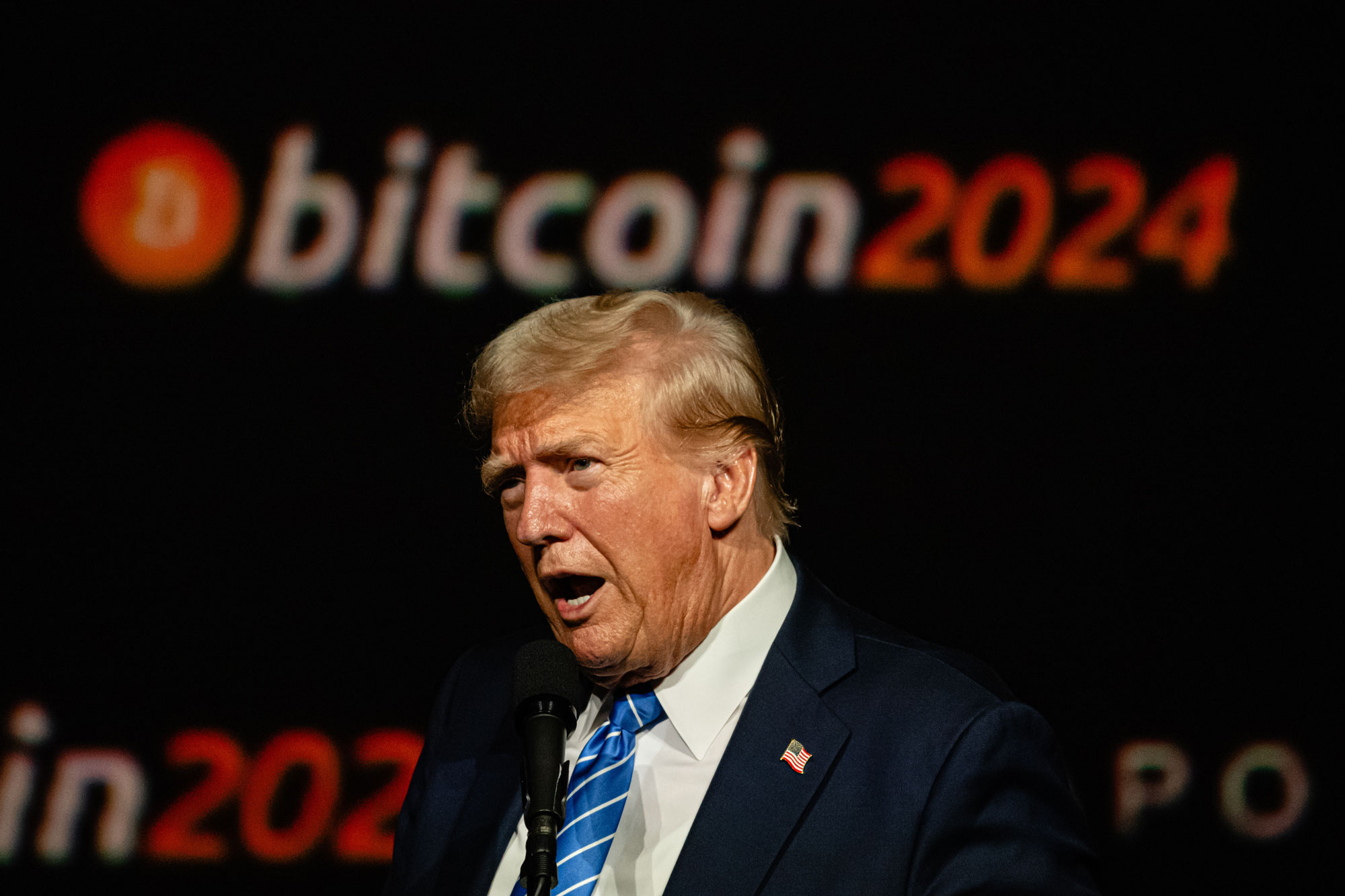
Other investors have done rather less well than the Trump family. Many are nursing large losses as cryptocurrencies have fallen sharply this year. Cryptocurrencies have long been characterized as elaborate pyramid schemes through which first movers gain at the expense of those late to the party. That could prove to be the case with World Liberty Financial. It was undeniably what happened with “Trumpcoin,” which circulated and then was “rugged” – to use the parlance – around his second inauguration. Plenty of Trump allies got rich, or richer, from that scheme. But a far larger number of less cynical punters lost out.
In Trumpland, even the government can make you rich – if you are foolish enough to believe it. Surely the President can see that the first question virtually every American is going to ask on receiving the $5,000 payout that he has promised them as a reward for voting Republican in the midterm elections is: who is paying for this? The answer is themselves.
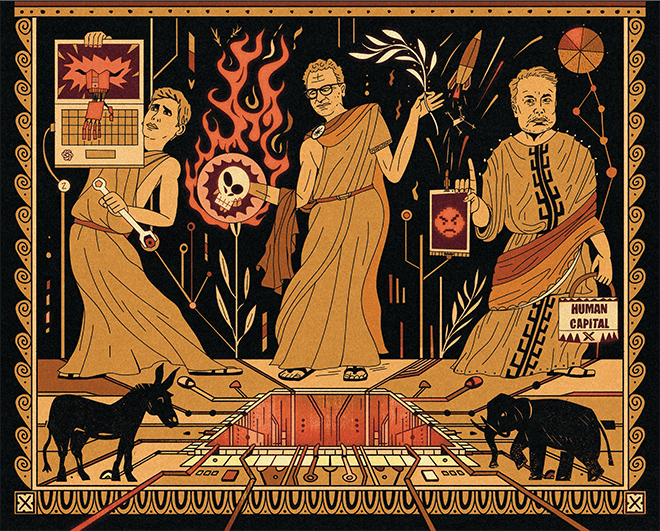
Before dismissing the idea out of hand, it is as well to remember that serious economists have come up with a similar idea – often called “helicopter money” – to try to encourage spending in the depths of a recession. It was never a good idea, but economists did at least intend it only to be an emergency measure while the economy was deep in the mire, the cost of which could, in theory, be repaid in the good times.
The US economy is not currently in recession. America is, however, in the eye of a growing storm over government debt. Markets are beginning to lose patience and to drive up bond yields, increasing the cost of government borrowing and so deepening the fiscal crisis. The very last thing the economy needs at this time is a huge handout to citizens, driving up debt even higher.
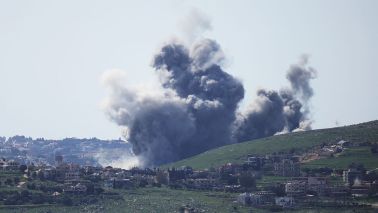
Trump’s $5,000 “dividend” to voters looks like desperation; an attempt to distract from the cost-of-living crisis that has been made worse by the war on Iran. Trump’s tariffs had already driven up the cost of imports (including US-made goods which use raw materials from overseas), and now the conflict in the Middle East has cut off supplies of oil and gas, which had been flowing freely until February. Not even Trump’s aggressive approach to national energy security – an admirable policy – has managed to insulate Americans from the fallout. The poor, who spend a higher proportion of their income on fuel than others, are the biggest losers.
Trump’s $5,000 dividend payout looks like desperation; an attempt to distract from the cost-of-living crisis
Trump does not go down easily. He lives by different rules and he has long thrived thanks to the flaws of his opponents. The Democrats sustained Trump’s appeal as a maverick by bringing blatantly political prosecutions against him from his first term onward. But there is a difference between what happened then and what is happening now. Before, it was possible to make a case that it was Trump versus the Washington establishment. His latest foibles, however, make it appear as if it is him versus the people: profiting while Americans grow poorer.
The midterms are not a done deal. In 2022, the much-predicted Republican “red wave” never really materialized, in spite of rampant inflation and the unpopularity of Joe Biden. This time, Democrats may end up disappointed. Nevertheless, the Trump agenda is now unraveling on various fronts. He could count his first term as a success against all the odds. The economy did well, until Covid. His protectionism was balanced by a keenness to use tariffs to bounce other countries into trade deals. He kept out of foreign wars despite being labeled a warmonger.
His second term, by contrast, is beginning to prove all his worst critics right. He has been dragged into a war he cannot stop. His tariff threat have been too vigorous, creating hardship for US consumers. And his family and political allies are showing, week by week, shocking levels of venality. Trump will go down as one of the most consequential presidents in American history. He took on an arrogant and incompetent political elite and beat it twice. But, as this second presidency looks toward its third year, his legacy looks in grave peril.





Comments