
My early days of baking coincided with the early days of dating the man who became my husband. It is no coincidence that many of those dates revolved around cooking together, shoulder-to-shoulder in his too-small south London kitchen. He was a pretty competent and confident cook; I was an eager and naive idiot, but keen to learn. Slowly (very slowly) his knowledge and skill rubbed off on me.
There were some unmitigated disasters (the less said about our Scotch egg attempts the better; did you know it is possible to cock them up in five separate ways?). Others were qualified successes (a coffee and walnut cake which slopes at a 45° angle is still a coffee and walnut cake). But the first ever cornbread I baked was glorious on our first attempt. This is, as you may have gleaned, not due to a preternatural talent for cornbread, but rather the simplicity of the dish. Dry ingredients mixed into wet, into the tin, half an hour in the oven – done.
Cornbread is a staple of traditional American cooking, a non-negotiable for Thanksgiving tables, as well as an everyday, workhorse dish; it is one of the few foods that spans the cuisine of both North and South America.
A sweet and savoury balance is essential: so you don’t served sponge cake with your barbecued ribs
The use of corn in Native American cooking long pre-dated the arrival of European settlers, and it was those Native Americans who taught the pilgrims how to make cornbread. Native Americans would combine the cornmeal with water and animal fat and cook the mixture on rocks or garden hoes positioned near fires, which lent the corn patties their name: ‘hoe cakes’. As time passed, and wealth and facilities increased, additions were made such as butter and sugar and eggs, enriching and sweetening the cornbread, turning it into a lusher, cakier product, like the stuff we know today.
But even with all its more modern embellishments, and the advantages we can draw from ovens and chemical raising agents, it retains its overall simplicity of ingredient and method. A stirred batter of cornmeal, flour and fat poured into a tin and baked quickly. It’s no wonder that I managed not to muck it up, nor that I felt elated by the plump, soft, sweet-salty result.
There is photographic evidence of that first triumph. I am standing in that small kitchen, holding my pan of cornbread swaddled in a tea towel like a newborn, and flushed with success. I look very young and very happy, and about as bewildered and proud at what I’ve produced as I do in the photos taken of me with my actual newborns.
I’m not sure I’d actually eaten cornbread before that first time I made it. Later, for our honeymoon, we drove around Louisiana, Tennessee and South Carolina and I ate our collective body weight of the stuff, and began to understand what made a really good cornbread. A balance of the sweet and savoury is essential, so you don’t feel like you’ve served up a slice of sponge cake with your barbecued ribs; so too is a light hand with the mixing, and a thick luscious buttermilk to bring texture and tang.
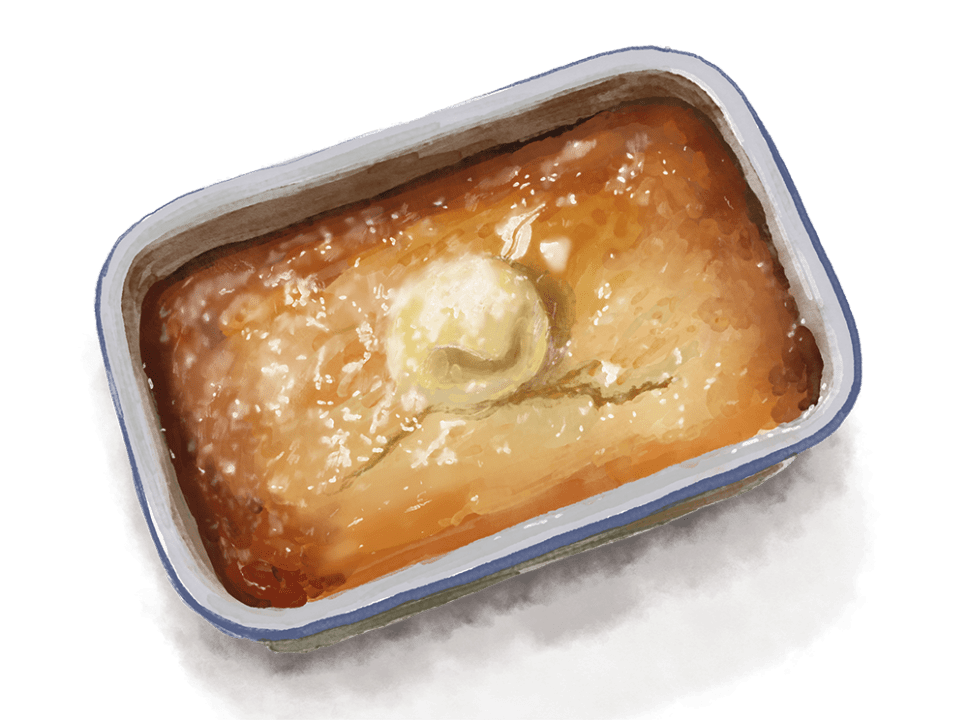
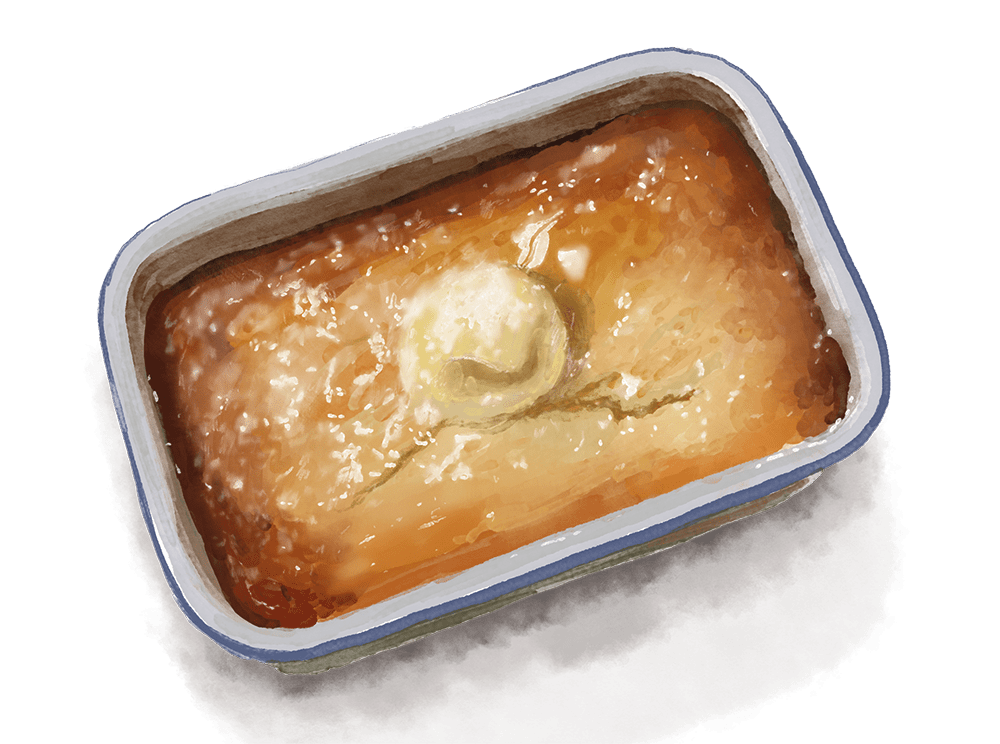
The cornbread that holds my heart, though – the very best cornbread in my opinion – was actually made by a restaurant in London, the Lockhart, which sadly is no more. Its cornbread, with its distinctive honey glaze, became its signature dish. I adopted that glaze and have never looked back. My cornbread contains slightly less sugar than most, so much of the sweetness comes from that rich, floral, honey butter glaze. As soon as the cornbread comes out of the oven, I pour 50g of melted butter and a tablespoon of runny honey over the hot cornbread, which sizzles as the sweet butter pools in the corners of the tin, soaking into the just-baked bread, and the scent of corn and caramelised butter whooshes up from the pan and fills the kitchen.
Makes: 16 squares
Hands-on time: 10 minutes
Cooking time: 25-40 minutes
- 150g cornmeal or polenta
- 150g plain flour
- 1 tsp salt
- 2 tsp baking powder
- 50g light brown sugar
- 2 large eggs
- 240ml buttermilk
- 4 tbsp vegetable oil
For the glaze
- 50g butter
- 1 tbsp of runny honey
- Preheat the oven to 180°C. This cornbread can be baked in a 20cm square baking tin, a large enamel dish or a large, oven-safe iron skillet. The exact size of your vessel will determine the depth and baking time.
- Sift all dry ingredients (cornmeal, flour, baking powder, salt, sugar) together into a large bowl.
- Beat the eggs, buttermilk and oil together in another mixing bowl.
- Pour this wet mixture into the dry ingredients and mix together until just combined.
- Pour the batter into the tin, and bake for 25-40 minutes, until the cornbread is golden, risen and, when it is pressed gently with a finger, it springs back. Depending on your oven, you may need to cover it with foil during the latter stages of cooking, if it starts to look a little dark.
- As soon as you’ve taken the cornbread out of the oven, melt the honey and the butter together in a small pan and pour it over the still warm cornbread. Serve immediately.
Join Olivia Potts for Truffles and Trattoria in Rome on 2-6 December 2026. For more details about this Spectator Club trip, go to spectator.com/tastings.




Comments