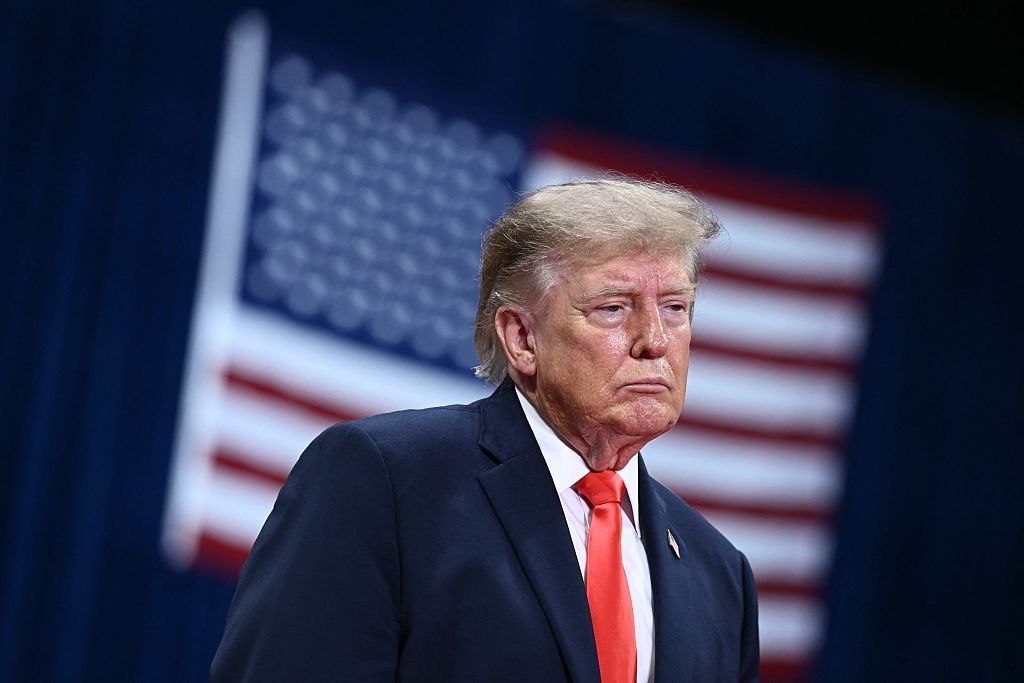
Midterm elections in the United States typically centre around the bread-and-butter issues that Americans deal with on a daily basis. This year’s contest was an exception in one respect – many of the cost-of-living problems the American electorate is confronting are linked to President Trump’s decision to launch a war against Iran that nobody in the Middle East, bar Israel, thought was a good idea. Trump’s approval ratings are hovering in the mid-thirties, in large measure due to the conflict and all of the economic costs associated with it. In terms of popularity, the Iran war makes the 2003 Iraq War look good in comparison; a compilation of polls finds that less than 36 per cent support it.
Given Trump’s character and how he’s turned the Oval Office into Nero’s throne, even a casual observer of this president will find a sudden reversal of his foreign policy difficult to imagine
It’s therefore no surprise that Democrats have had a significant victory in the midterms. The fact that Democrats have retaken both the House of Representatives and the Senate through deep red states like South Carolina and Texas reveals all you need to know about how the country views Trump’s second term. The war’s acrid stench is so strong that many of the Republican candidates who tried to run away from it during the campaign became casualties of it.
The question going forward is whether Trump’s foreign policy will change now that he no longer has control of Congress. This is, to put it mildly, unlikely. Any changes will occur at the margins. His overall strategy of bellicosity will remain intact. Coercion will continue to be Trump’s primary method in dealing with friend and foe alike. There might be a trade deal with Canada by the end of the year and perhaps a slight rapprochement with Brazil now that Lula de Silva is settling in for a fourth non-consecutive term. But US foreign policy in the grand scheme is not going to get appreciably better after the election than it was before.
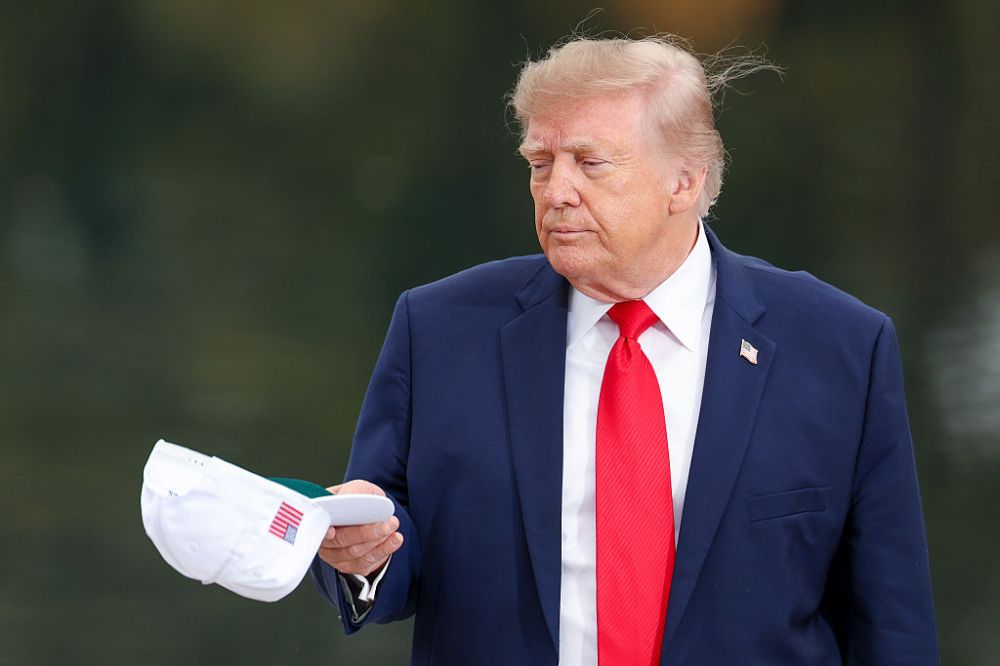
Democrats, of course, won’t be powerless. Control of the House and Senate means control of committees, the legislative agenda and the ability to investigate anything under the sun. Trump will still retain his veto, so even if Democratic-sponsored bills make it to the White House, they’re liable to die a ceremonious death. Still, launching investigations is nothing to sneeze about. Administration officials, from Defence Secretary Pete Hegseth (assuming he doesn’t get impeached or fired by Trump) to Secretary of State Marco Rubio will spend more of their time answering requests for information and, if the White House chooses to be obstructionist, congressional subpoenas. The House Democratic leadership has telegraphed three big foreign policy items that will be the centre of their attention: the Iran war, the US military campaign against alleged drug trafficking boats in Latin America and how the Pentagon is doling out contracts.
Will those investigations force Trump to retune or at the very least reevaluate his policies? Anything is possible, and a newly empowered Democratic party could attempt to force the issue. Democratic lawmakers might try to attach a provision defunding the Iran war to the overall defence authorisation or appropriations bills, two pieces of legislation the US defence industrial complex needs to continue operating. Senate Democrats blocked consideration of the defence bill over the summer in protest against the war. There could very well be a political showdown down the line, in which the Democratic majority ties funding the government to Trump terminating a war that he’s repeatedly insisted will be over soon. But are Democrats bold enough to do this, particularly if Trump doesn’t budge and the government shuts down for weeks at a time?
Given Trump’s character and how he’s turned the Oval Office into Nero’s throne, even a casual observer of this president will find a sudden reversal of his foreign policy difficult to imagine. This would be a shame because there is plenty to fix, the war in the Persian Gulf being the prime item on the chopping block. Repeated US bombing waves against Iran’s military infrastructure, the latest occurring on the eve of election day, have failed to produce the Iranian capitulation so many of the war’s cheerleaders predicted at the start. If anything, the off-and-on bombing has reaffirmed a belief within the Iranian political system that escalation may be preferable to a peace deal that Trump won’t abide by anyway. The war has done incredible damage to Washington’s system of military bases in the Middle East, with hundreds of structures and weapons systems damaged and some of the US military’s central nodes in the region, like the Fifth Fleet headquarters in Bahrain, severely impacted. The region’s leaders are preparing for further destruction ahead as Trump’s military advisers give him a larger target list to work off of. If Trump was smart, he’d cut his losses. But we’re unlikely to see this.
What about the war in Ukraine? Will there be any shifts in the US approach there?
While it’s hard to predict, there’s a decent chance that a more adversarial Congress will hold Trump’s feet to the fire and force him to disburse more military aid to Kyiv. Even some Republicans on the national security committees are a bit skittish about Trump’s diplomatic approach, which essentially revolves around bribing Russian President Vladimir Putin with economic goodies to make peace. Lawmakers were already aghast when Starlink was throttled for Ukrainian troops in the field and when Trump agreed to buy Russian diesel, a decision that will give the Kremlin billions of extra dollars for a war effort the president himself wants to end.
Congressional pressure aside, Trump won’t be giving up on the idea of engagement with Russia. Nor should he; after all, Washington and Moscow were at cross-purposes on a whole slew of issues during the Cold War, yet still kept communication channels open to ensure mixed signals didn’t degenerate into a direct conflict between them. Yet on Ukraine specifically, we should be highly sceptical of pushing Putin into a peace deal. Moscow has demonstrated throughout the conflict that military victory in the Donbas is still more important than any of the economic and political concessions Russia would receive after a peace agreement was clinched.
The election results tonight will complicate Trump’s foreign policy agenda. But they won’t stop it.





Comments