England’s cricketers are developing a reputation, though not for sporting prowess. Despite dominating the Pakistanis at Headingley, the humiliation of last winter’s Ashes and a summer thrashing at the hands of the Kiwis loom large in the Barmy Army’s memories. But off the pitch, the England squad are making a name for themselves as some of the sport’s most revered hellraisers.
Dealing with adults as though they are teenagers on a school trip is no way to treat a nation’s sportsmen
A mere ten days after Joe Root – in his first act as returning England Test captain – ditched the curfew imposed on the squad following negative press about Ben Stokes and Gus Atkinson’s nightclub antics, another player is in the doghouse. Out on the razz in Derby last Saturday, fast bowler Brydon Carse was filmed by a member of the public handcuffed by police. The Telegraph reports that it was due to a spat over a spilled drink, and that the 6-foot-3-inch Carse was apprehended because of his size. The player’s Durham County teammates Ben Stokes (not unfamiliar with late-night argy-bargy) and Matthew Potts were also present.
Carse has now been dropped from the England squad. Frothing commentators are out for blood, with Michael Vaughan calling for a punishment to ‘send shivers’ down the spines of any other players at risk of beclowning themselves. One can understand his frustration. With Carse being just the latest in a series of cricketers to have ended up on the wrong side of a nightclub bouncer, the team can feel more like the cast of Skins than a world-class starting eleven.
Yet while punishments can be appropriate, these players are adults. Neither they nor us fans should suffer the indignity of them being treated like children – least of all with the reintroduction of a curfew. Curiously, I have some experience of just how well behaved England players can be out on the town.
On a trip to Dublin last year with some pals to watch our boys face the Irish, I was lucky enough to encounter sporting greatness. Stumbling home at the end of an evening – pregnant with Guinness and deafened by Temple Bar – we ran into a couple of the players. My friends are more self-aware than I, but I didn’t hesitate in going up to Jacob Bethell – then serving as England’s youngest-ever captain, at 22 years old – and getting a picture, before asking what he and his teammates were up to for the rest of the night. What ensued was a sophisticated evening of revelry and light japes in the VIP area at what was depressingly considered one of Dublin’s premier nightclubs. No fisticuffs, no untoward dance floor antics and no run-ins with the law.

My chums and I came away from the experience with a stinking hangover but with our faith in humanity restored. Not simply because – like excitable children – we had met some famous cricket players, but because of the level of trust they were afforded. Granted, England’s cricketers might not have the public recognition of their footballers. But it was refreshing to see young men in the public eye being given the autonomy to enjoy themselves.
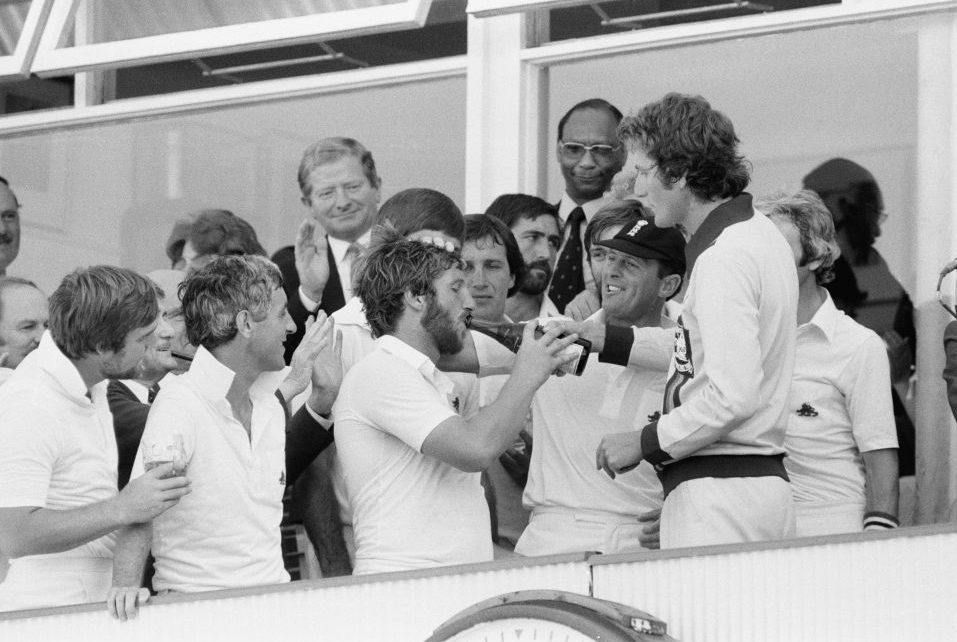
Root was entirely right to drop the curfew. Dealing with adults as though they are teenagers on a school trip is no way to treat a nation’s sportsmen. Just ask Mike Brearley, who captained England during the legendary 1981 Headingley Test against Australia.
Under his watch was Ian Botham. Beefy – cricketing legend and all-round cultural icon – was also partial to a beer and a turn on the devil’s lettuce, habits for which he was routinely punished, but never infantilised. During the weekend before his legendary unbeaten century on the Monday, Botham had enjoyed one of his infamous ‘rest-day’ parties, which according to legend kept him up until 4am on the Sunday.
Rather than mother his players, Brearley made it clear to his squad that while they could enjoy a drink, they were expected to produce results. Beefy’s batting set up Bob Willis to humiliate the Aussies the following day by taking 8/43. Brearley’s account of the night prior speaks to his unique approach:
‘On the evening before his extraordinary spell, a few players were having a drink in the bar. In effect we said to him, “Bowl as fast and straight as you can tomorrow, Goose. Don’t worry about no-balls, and don’t try anything fancy”. The next day he did, and… he appeared to be in even more of a trance than usual, a man possessed.’
Of course, had Botham or Willis flopped, they’d have been dropped. Quite right, and so too today. But from cowardly politicians to curtain-twitching old biddies, there is a shameful risk aversion that runs through much of British life: an instinct to follow procedure at all costs, even if it comes at the expense of sporadic moments of brilliance or letting grown men learn things the hard way. Providing they get results and behave within the boundaries of the law, in cricket, as in life, we should leave them to it – or even join them for a night out.






Comments