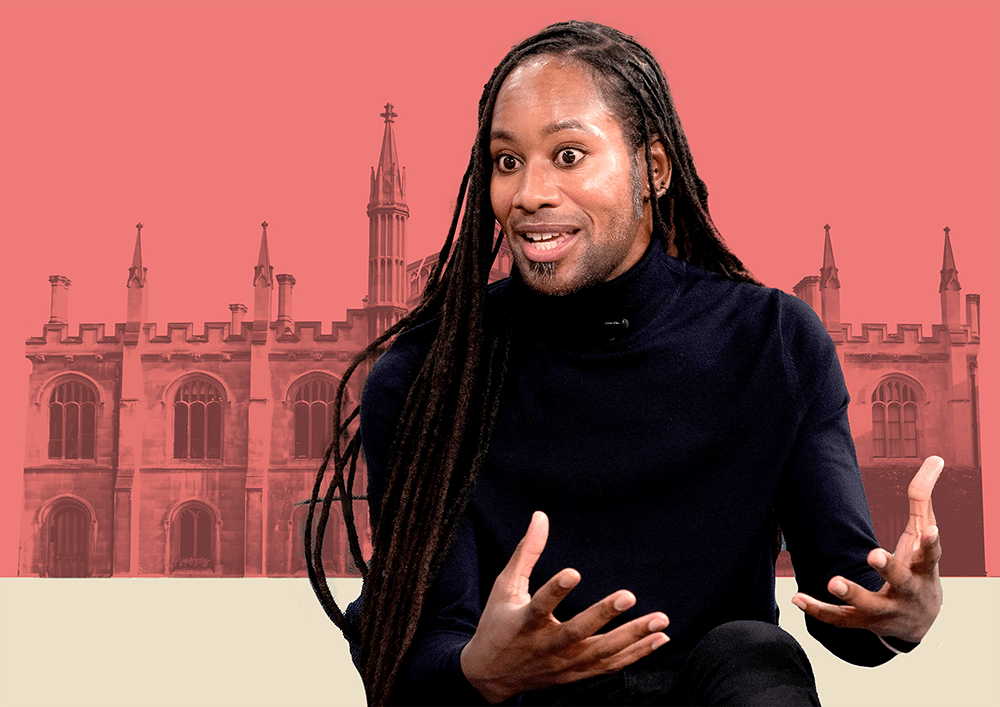
Don’t badmouth the dead, said Chilon of Sparta. Over time, the phrase became a positive injunction to say nothing of the dead unless it was good, de mortuis nil nisi bonum. Christopher Hitchens had a different rule: say anything you like, so long as it was something you’d have been willing to say while they were alive.
For him, death did not work as absolution, and the lives of figures public enough to merit scrutiny while they lived merited the same scrutiny in the aftermath of their death – perhaps even more acutely, because death was a time to reflect on who they were.
When someone dies, and especially if they die by their own hand after public humiliation, as seems likely to have happened with Jason Arday, a great deal changes. Only a short time ago, Arday’s fabulism was comic. His death makes it tragic.
Tragedy and comedy are often closer together than we like to feel. In Shakespeare In Love, Tom Stoppard began with the Bard writing Romeo and Ethel, the Pirate’s Daughter. He was quite right that the opening of Romeo and Juliet could easily have set the scene for a comedy. Romeo’s youthful ability to fall eternally in love with Juliet, having moments before done exactly the same with Rosaline, was the recipe.
We are not required to give up memory, or judgement, or a keen interest in truth
Comedy usually requires us to have faith that its calamities are ones which everyone will survive – chastened, perhaps, but richer for the experience. Tragedy begins when that assumption turns out to be wrong.
Someone once said that Lord Monckton was the sort of fellow you could go to for help when you were disappointed in life. ‘No, he was more than that,’ came the reply, ‘you could go to him when you were in disgrace.’ In his moment of need, Arday lacked a Monckton.
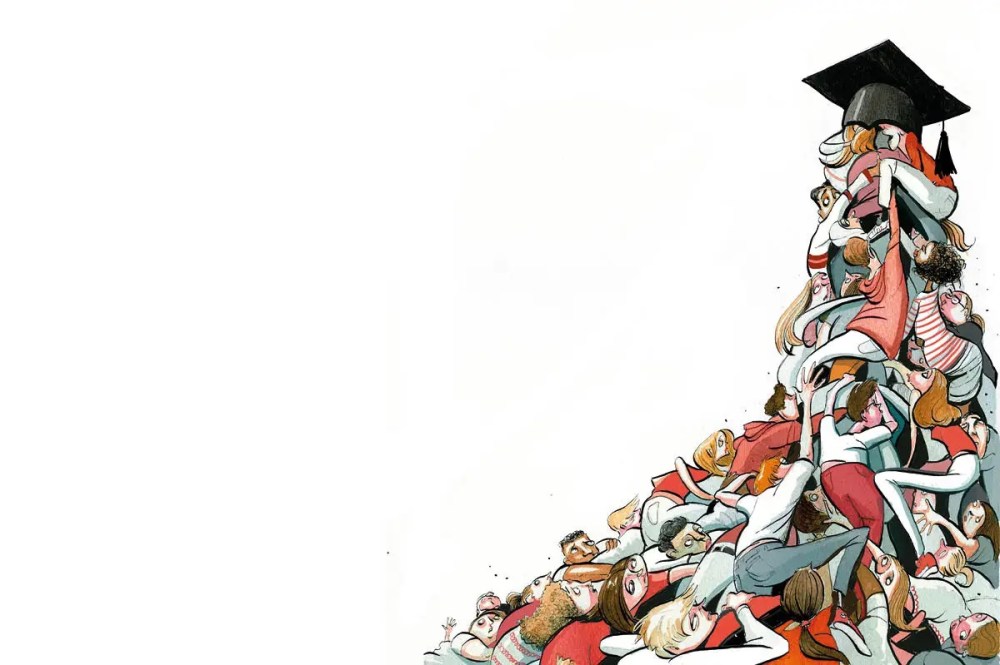
Our public interest in Arday was merited. He became alive in the minds of strangers, and our sorrow is real. But it doesn’t change the question of whether the scandal was profound and worth noticing. Arday was a human being, with agency. An academic career in modern sociology and Cambridge University’s taste for DEI (Diversity, Equity, and Inclusion) created huge incentives for sham. But honesty was still possible, and the issue of whether it was there at all grows no less important now Arday is dead.
‘Whatever the truth of the allegations against him,’ Alastair Campbell has said, ‘would he have suffered such a hounding had he been white, with short hair? I doubt it.’ Whatever the truth? The truth is the entire point. If the allegations against Arday were false, he was grievously wronged. If the accusations were substantially true, scrutiny was legitimate – and mockery, too. Death does not alter that.
Is there anyone in public life who should understand better than Alastair Campbell that suicide can follow a ferocious public controversy? Or who should be more cautious about suggesting that those involved should be held responsible? I doubt Campbell thinks the Hutton report was wrong, and that he himself was responsible for hounding David Kelly, a white man with short hair, to his death. What’s less clear is whether he remembers.
In life, Arday was praised for having the agency to overcome incredible obstacles. In death, we are told that we left him with no choice; that he was merely a man on whom the world acted. You cannot laud someone as the author of their ascent and then deny them all authorship of their fall. The truth for Arday, as for all of us, is that we are both. We are actors on stages we have not built, and what we do with our limited freedom is made more important, not less, by the fact that we are not the playwright.
Sadiq Khan said Arday’s death ‘should be a wake-up call for all of us,’ and that he faced ‘an unacceptable public hounding and campaign of abuse…pernicious public shaming that other people in his position simply wouldn’t have faced.’
His race was made part of his celebration – it cannot also be allowed to place him beyond scrutiny. Undoubtedly there are racists who disliked him for the colour of his skin, but the serious questions about his honesty existed because they appeared richly merited by the facts, not because he was black.
Jason Arday’s death requires us to give up pleasure in the exposure of his comic fabulism, whose sadness always had the potential to become tragic. But it does not require us to give up memory, or judgement, or a keen interest in truth. Like any public figure who has died, if we are to pay attention then we must pay attention to who he was.
The pompous can also suffer, the ridiculous can also be loved. Men can deserve compassion for one thing and mockery for another. Tragedy and comedy are powerful, not because they are far apart but because they are so close. But when death silences the laughter, we are not required to pretend the first act did not happen. Chilon of Sparta was kind; Christopher Hitchens was right.






Comments