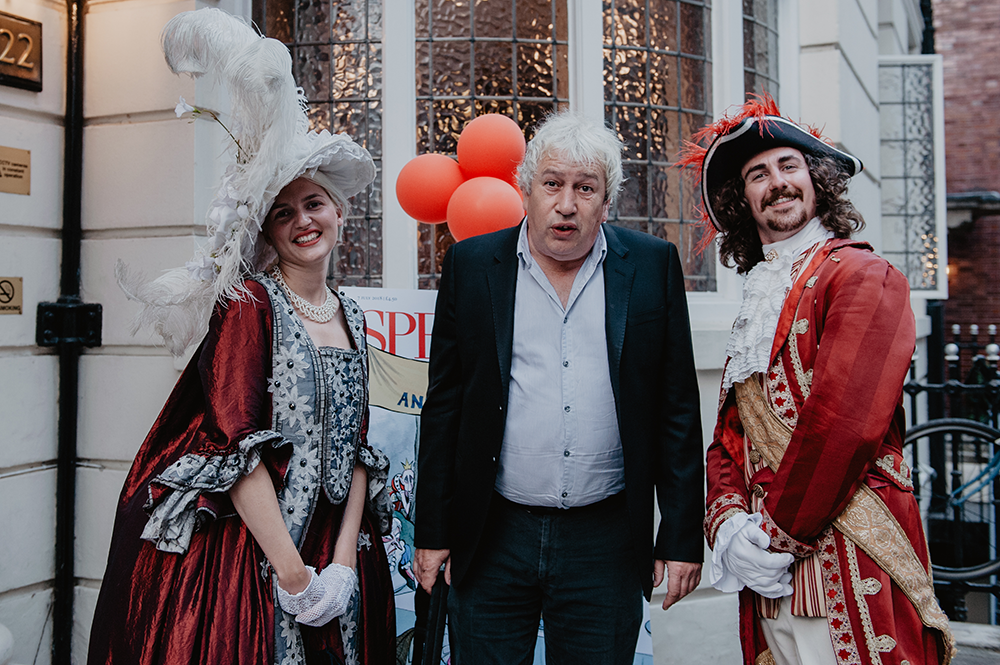
I met Rod 22 years ago this month. We had been selected as teammates on a gameshow pilot, and, halfway through the morning’s filming, we went for a fag break. He said to me: “This is crap, shall we go to the pub?” We scarpered and spent the rest of the day in a Covent Garden pub, working our way through the drinks list and chatting away like chipmunks.
I’d never been starstruck by anyone before I met Rod. However famous or talented actors are, their job is to say stuff written by other people. Rod, however, was a legend to me. I began reading his Guardian columns at university. Though I was studying all the greats of English literature, it was Rod’s writing which felt like a ribbon-wrapped gift, a treat, a joy.
His capacity to address dark, complex subjects with the lightness of a chef sprinkling icing sugar was dizzying. He was so profoundly funny, made each of his sketches look so easy, but beneath the deliberately pugnacious language a serious artist was at work.
I think I loved his language of insults the most: luckily, he issued forth a stream of them like a Middlesbrough Shakespeare.
I soon learned after meeting him that, beneath the merciless rapier blade of his writing, nestled the sweetest man. A generous, sensitive, godly, honorable sweetheart. He viewed the world through a loving and poetic lens, saving his acid for pomposity, falseness, injustice and hypocrisy.
He was also endearingly, maddeningly modest. I don’t think he had any clue how brilliant he was. I trusted him instinctively with everything, as I’m sure all his friends did, and he repaid me with thoughtful, funny, scrupulously honest kindness.
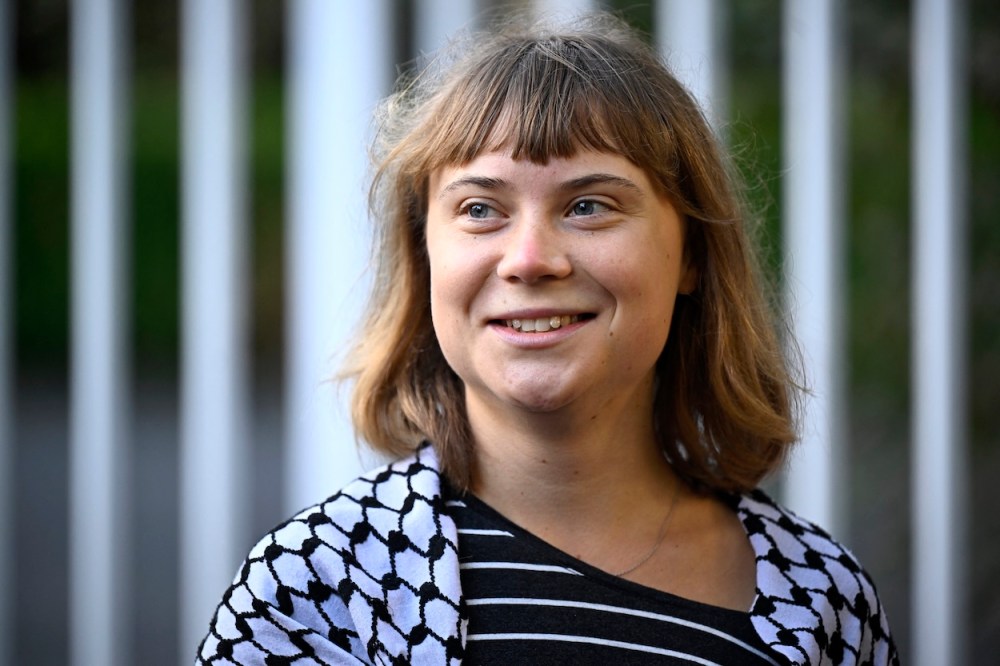
I think all his female friends would attest to how unusually wonderful and natural he was with women. He was complimentary in a heart-toasting, unpredatory way “You’re a corker, Winkle-person” – and pleasantly reassuring if I told him I was getting fat. “Don’t be such a mong,” was always his response.
I worried about how much he drank and smoked – but then he’d tell me that all the best people treat their bodies like bins (and all the worst like temples) and to curtain-twitch elsewhere.
He was totally unjudgmental and always interested in everything, polymath that he was. When I mentioned becoming involved with the Big Issue, we chatted for a long time about how many homeless people had violent childhoods. He was passionately on the side of wronged people, wronged animals, wronged communities – a fighter for the forgotten, traduced and misrepresented like no other. Naturally he was also a gloriously lethal slayer of the jumped-up.
When he called to tell me he had cancer – “in my brain and lungs, so not too bad” – he just wanted to talk about how wonderful all the nurses were. On the night before he died, his best friend Jez told me, he was making all the nurses laugh.
A mighty oak has fallen. An oak in a black leather jacket, with a sweet, lugubrious expression and an accent that had curiously settled somewhere near the Midlands.
I will miss Rod painfully, as a friend both to me and to this troubled country which he loved so much.



Comments