Camilla Swift

Camilla Swift

Camilla Swift is the supplements editor of The Spectator.

How much could Dry January have saved you?

January 31st means two things: firstly, the dreaded day on which your self-assessment tax return is due. And secondly – and probably more cause for celebration – is the fact that it’s the final day of Dry January. For those who gave up alcohol for the month, tonight – being the last day of January – is the last day that they need deprive themselves any longer. (Let's face it: you might need a drink after wading through the long-winded HMRC process, after all). But is the whole 'Dry January' thing a gimmick? Perhaps, to a certain extent. On the other hand, it certainly won’t do you any harm. There's a wide array of health benefits to giving up alcohol – and just think about what going sober for a month might mean for your wallet.

Is avoiding plastic making your grocery bills soar?

There seem to be quite a few bogeymen doing the rounds at the moment, but plastic is one of them. As Ross Clark wrote in last week's Spectator cover feature, it's the fashionable issue among environmental types at the moment – which is why the government has chosen to focus on it. There are of course pros and cons to plastic – including the debate as to whether the alternatives to plastic are even worse than plastic itself. But it's hard to argue against the observation that one of the biggest sources of what you might call ‘unnecessary’ plastics is food shopping. Cucumbers tend to be wrapped in plastic, as are your sausages from the butcher’s counter, and your loaf of bread; even dry food stuffs such as pasta.

What can we do to minimise our household bills?

Is the only reason Dry January is so popular because people tend to drink a little too much over the festive period? Or is part of it down to wanting to save money after spending too much on overly pricey last-minute Christmas presents? I wouldn’t be surprised if it were more due to financial reasons than health ones – though I can’t be certain. If much of it is down to money woes, then the news that household bills increased by 13% in 2017 compared to the previous years probably won’t make you feel much better. There are all kinds of factors involved in this statistic, but energy bills play the largest part. According to data from comparethemarket.com, in 2016, the average household paid an energy bill of £1,383. In 2017, this rose to £1,625.

Is pet insurance a worthwhile investment?

We are famously a nation of animal lovers, so I suppose it’s not too surprising that one in two British households owning some form of pet. There are an estimated £20 million pets in the UK, so pet-related industries are not a bad area to be involved in. (This number, by the way, doesn’t include horses; there are around a million of those, too). And, as one of the nation’s pet-owners, I suppose I do my fair share of contributing to the pet industry. But there’s one area in particular I’ve been thinking about recently: the area of pet insurance. I recently acquired a puppy, but the question was, should I insure her or not? I do also (for reasons which even I am not sure I entirely understand) own three horses ­– none of which are insured.

Are millennials more frugal than we give them credit for?

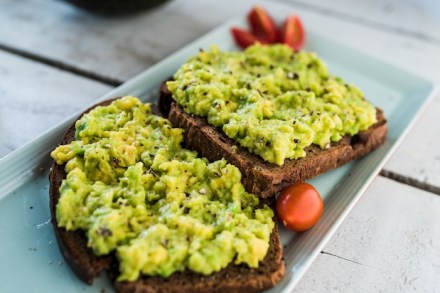
We hear it all the time that millennials are too busy spending to bother saving. Those of us who live in expensive cities like London, spend so much on rent that there’s no hope of ever being able to afford a house of our own. So why bother saving at all? Much better to spend what’s left of your hard earned cash after paying your rent and coughing up for public transport, and have some fun with it on a Friday night out, or a decent avocado on toast for brunch. Well, that’s what people would have you believe. But increasingly, it seems as if those in their twenties are the ones most likely to save – particularly compared to those in their thirties.

The British Army’s muddled attitude towards military dogs

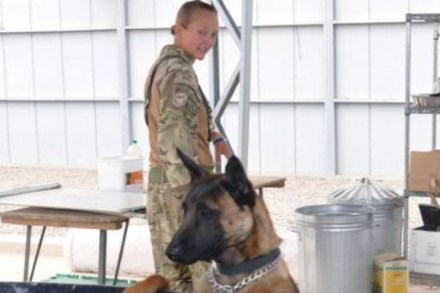
Almost every day a new email pops into my inbox from the website ‘change.org’. One day they’ll be asking me to sign a petition to free Nazanin Ratcliffe, the next to lower the age for bowel cancer screening. Once you sign one, the requests keep coming. But the other day, one in particular caught my attention. Novelist and former SAS sergeant Andy McNab had started a petition entreating the Defence Animal Centre (the home of the Ministry of Defence’s canine training squadron) to save the lives of three former service dogs. The three dogs – Kevin, Dazz and Driver – were all due to be put down this week, a decision that had the nation up in arms. Over 370,000 people signed McNab’s petition.

It’s rural customers and the elderly who will be most affected by RBS’s latest closures

On Friday, RBS announced plans to close 259 of its bank branches. That's a quarter of its outposts. 62 of the closures are Royal Bank of Scotland branches, while the other 197 are NatWest. This isn’t the only announcement of bank closures in the past couple of days, either. Lloyds are also closing 49 branches, and Yorkshire Building Society are closing 13 – but the RBS closures are certainly the most dramatic, and the ones that will affect the most people. Of course, yet again the reason given to the public for these closures is that the bank branches are underused. It’s the standard argument; more customers are using online services for their banking, which means that high street branches are less popular.

‘Princess Meghan’ has arrived to cheer up Britain

So, Princess Meghan it will be. No, I know that won’t be her name officially. But we all know that whatever Meghan Markle’s official title ends up being (right now, it seems most like she’ll become the Duchess of Sussex), ‘Princess Meghan’ will be her unofficial title in the press. The news of Harry and Meghan’s engagement comes as little surprise – after all, the tabloids have been telling us for weeks that the announcement might be on the cards. But you know, after a fairly depressing Budget, it’s nice to have a good news story. We might even get another Bank Holiday (sorry, what was that you said about productivity?) I think it’s refreshing that Harry has progressed from his Sloaney blonde era in his choice of fiancée.

Fighting cancer with technology

More than 350,000 Britons are diagnosed with cancer each year; that’s almost 1,000 people per day. You will probably have heard this statistic before — but that doesn’t make it any less shocking. In fact, the numbers are so large that some people now refer to this as a ‘cancer epidemic’. Fortunately, technology is progressing and improving at such a fast pace that medical innovation is taking place all the time. This supplement, sponsored by Philips, aims to look at the key role that technology has to play in tackling this epidemic. For example, Jo Macfarlane looks at new machinery that enables body parts to survive outside the body. She also examines medical breakthroughs that could stop the body from rejecting organ transplants.

There is no simple fix for Britain’s ‘broken’ housing market

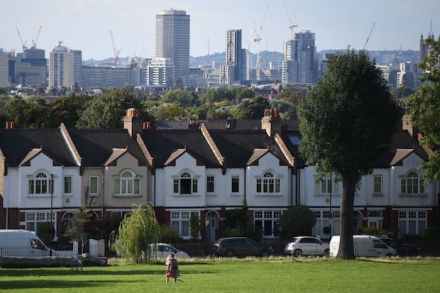
You're probably sick of hearing that Britain is in the midst of a housing crisis – we've all heard it said so many times. Over the last few months, Theresa May has been focusing on the topic; claiming that our housing market is ‘broken’, promising to take ‘personal charge’ of the problem. ‘We must get back into the business of building the good quality new homes for people who need them most,’ she said yesterday. On the face of it, the latest figures released by the ONS seem positive. They show that housing supply in England saw a net increase of 217,350 last year; a 15% increase on the previous year’s numbers, and the highest figure for ten years.

A couple that save together, stay together

Do you know what your partner earns? And if you don’t, is that a problem? If it’s just a matter of whether or not you go Dutch on the next date, then perhaps it’s not all that important. But when it comes to joint bank accounts, or a joint mortgage, then that becomes a whole different ballgame. So it’s intriguing that a recent poll conducted by pensions specialists Portafina suggests that many of us aren’t being entirely honest with our other halves when it comes to our finances.

Closing many of the UK’s free ATMs would be a huge blow to rural communities

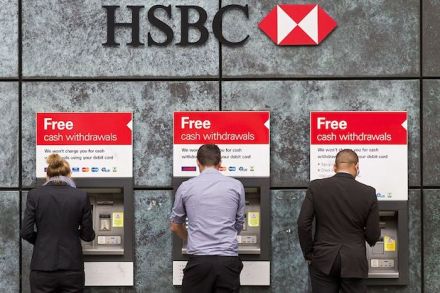
A few weeks ago, Mike Fotis wrote of the depressing future of UK banking for those living in rural areas, or who are unable to use technology. Understandably – and for most customers, sensibly – many banks are focused on improving their online services and apps. The problem is that as they do this, bank branches are closing rapidly as they become increasingly redundant. For many of us this is simply an irritant, meaning that you have to travel that bit further if you actually want to visit a branch of your bank. But if you have problems with mobility – or if the next closest bank branch is a fair distance away – this starts to become more problematic.

Wild lynx are either dangerous or docile – but we need to decide

It’s interesting that everyone is making such a fuss about this ‘dangerous wild lynx’ that has escaped from a Welsh animal park. Various reports have described it as ‘fearsome’ warning that it ‘could eat pets’ and be ‘aggressive if cornered’. The park itself ­­– Borth Wild Animal Kingdom in Ceredigion – says that: ‘There have never been any recorded attacks of a lynx on a human, but they are a wild animal… and will attack if cornered or trapped. If you spot her, please don't approach her.’ Animals escape from zoos and wildlife parks all the time. Another lynx, ‘Flaviu’, escaped last summer in similar circumstances from a park in Dartmoor.

The value of Scotch whisky exports might be on the up – but volume isn’t

Scotland’s whisky industry is the UK’s single largest food and drink export, accounting for almost a fifth of Britain’s the sector’s exports. It’s also the number one internationally traded spirit in the world, and changes in the market can, therefore, cause something of a stir in the UK exports market. That’s why today’s statistics from the Scotch Whisky association are worth taking a look at. In the first half of 2017, Scotch whisky exports grew in value by 3.4% to £1.8billion – showing that despite the many new arrivals on the whisky market, Scotch continues to hold its own. Single Malts in particular have seen their popularity increase drastically.

As the nights draw in, have you done enough to secure your home?

This Sunday – 29th October – the clocks go back, giving us an hour longer in bed, but darker evenings. This might be a blessing for many of us (yes, I would rather get up at 6am than 5am, thanks very much), but the darker evenings can also be a blessing for burglars. I learnt this the hard way at this time of year two years ago – between Halloween and Guy Fawkes night – when my parents’ house was burgled while they were away for a couple of days. The combination of noisy fireworks – which drowned out the sound of burglar alarms – and trick or treaters (which meant that strange cars went unnoticed) meant that they had an easy job on their hands.

What is the T-charge, and how might it affect you?

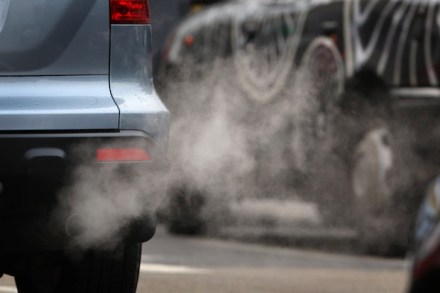
The T-charge – short for Toxicity Charge – comes into force in central London today. It’s part of the London mayor, Sadiq Khan’s, plan to improve air quality in the capital, and it mainly applies to vehicles registered before 2006. Rather than banning ‘high polluting vehicles’, he hopes that the charges will discourage people from driving into central London. The Green Party’s Jenny Jones today urged the London mayor Sadiq Khan to make sure that the revenues from the T-charge are used to improve public transport, and encourage people to opt for the bus or tube instead of their cars. But in reality, that’s not going to happen. Why? Khan confirmed today that far from making money, the scheme will cost the taxpayer £7 million per year.

Brexit doom and gloom hasn’t yet affected the racing industry

No matter how much disruption people might claim that Brexit is bringing to the British economy, in Newmarket at least, the markets don’t seem too bothered. Newmarket is the horse racing capital of the UK, if not the world. And every October thoroughbred yearlings – that is, horses who are classified as being one year old, and will turn two on 1 January 2018 – are auctioned off at a Tattersalls auction in the Suffolk town. It’s Europe’s largest yearling sale, and although not everything comes with a ginormous price tag, there are some fairly hefty sums floating around. Of course, as they are only yearlings, no one knows what these horses are capable of – all that the bidders have to go on is their pedigree and their appearance.

It’s no surprise that smart meters are proving unpopular with the public

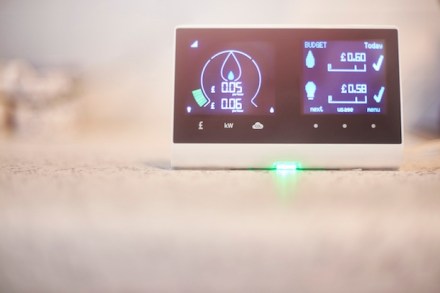
Yesterday, Ross Clark argued over on Coffee House that the government’s Clean Growth Strategy – that is, a promise to insulate a million of the leakiest homes with the aid of £3.6 billion raised through the Energy Company Obligation (aka, a levy on all energy customers’ bills) – was a dubious government target. The strategy, while well-meaning in theory, is never going to work, he argues. Many would argue that another government strategy – that is, the push to install smart meters in our homes – is similarly dubious. Having said that, it’s all very well offering the new technology to people (though there have been reports of energy companies ‘bullying’ customers towards the new meters, which is a whole other matter).

A song of ice and snow

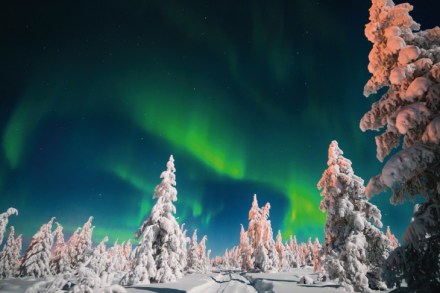
 Norway It might seem strange for someone who is half-Norwegian to decide on Scandinavian studies at university. But having lived in the UK my whole life, I wanted a better understanding of Scandinavia, its language, and its culture. In four years, I learned plenty of useful skills, such as the ability to read fuþark runes and point out the Norwegian influences in Disney’s Frozen. All in all, time well spent. But I always ummed and ahed when friends asked if they should pop over on a weekend break. As much as I love the country, I felt guilty about recommending it as a holiday destination. Norway is famously expensive. Recently though, my attitude has started to change. For those used to London prices, the Norwegian capital isn’t that extortionate.

The White Cliffs of Dover, the National Trust, and a very public appeal

The White Cliffs of Dover are, arguably, one of Britain’s most famous sights – immortalised of course by Dame Vera Lynn. So no wonder, then, that when the National Trust decided to launch a fundraising campaign to help them raise £1 million to secure a 700,000 square metre area of land on top of the cliffs, Dame Vera was chosen as the person to front the campaign. The National Trust already owns just under a mile of the White Cliffs of Dover, between the South Foreland lighthouse and Langdon Cliffs, which they bought in 2012.