Ukraine

Donald Trump speaks his ‘Truth’ about Ukraine in attack on Zelensky

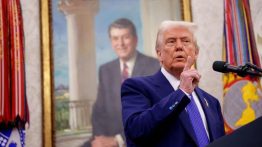
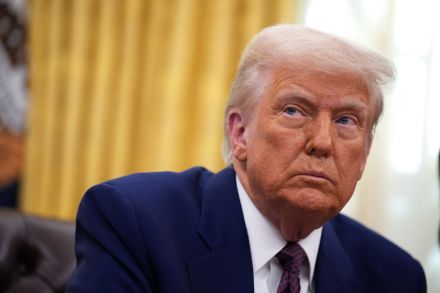
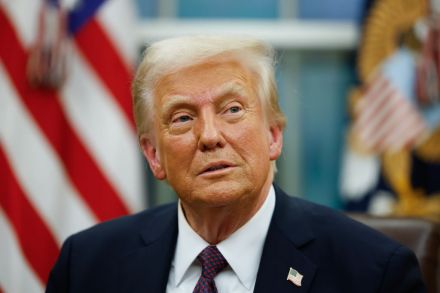
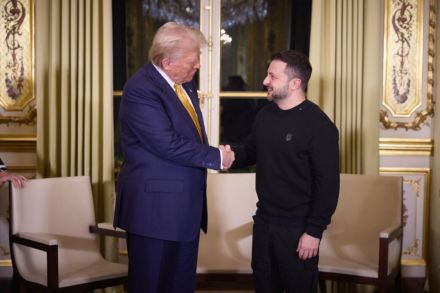
Negotiating peace can be delicate business. Often it requires a steady hand, a strong sense of compassion and inexhaustible patience. As Senator George J. Mitchell, a leading architect of the Northern Ireland peace process, once wrote, "In order to understand what another person is saying, you must assume it is true and try to imagine what it might be true of." Cockburn was reminded of Mitchell's sage words when he read the president's Truth Social post about Volodymyr Zelensky on Wednesday afternoon, which he republishes in full below: Think of it, a modestly successful comedian, Volodymyr Zelenskyy, talked the United States of America into spending $350 Billion Dollars, to go into a War that couldn’t be won, that never had to start, but a War that he, without the U.S.
donald trump zelensky

The US and Russia must not force Ukrainian elections

From our UK edition

After four hours of talks in Saudi Arabia, Russian and American negotiators have reportedly come up with a three-stage plan to end the war in Ukraine. According to Fox News, the plan includes a ceasefire, elections in Ukraine and the signing of a final agreement. Ukrainian leader Volodymyr Zelensky, who was neither informed nor invited to the talks, said that Russia and the US are discussing the same old ultimatum Moscow set at the start of full-scale war. ‘I wonder – if we didn’t accept such ultimatums in our most difficult moment, why does anyone think we would now?’, he said. Back in February 2022, Russian president Vladimir Putin said he invaded Ukraine to protect people from the ‘Nazi regime in Kiev’.

How Europe’s consensus on Ukraine broke down

From our UK edition

14 min listen

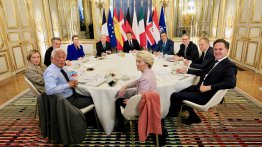
The future of Ukraine is being decided in a meeting between US and Russian diplomats in Saudi Arabia today. So far, we understand that America will insist that Ukraine is recognised as a sovereign nation, but NATO membership remains off the table. Meanwhile, European leaders have been cut out of the conversations. In response, they held their own summit yesterday, but it didn’t seem like they were all singing from the same hymn sheet. While the UK is pushing for higher defence spending and is willing to commit troops, other European nations seem more dovish, especially Germany and Italy. This is reflected in opinion polls as well. What's going on?  Oscar Edmondson speaks to James Heale and James Johnson, director at JL Partners. Produced by Oscar Edmondson.

Modernisation has sent Russia spinning back to the Stone Age

From our UK edition

When Howard Amos first came to Russia, in 2007, it was a country you visited with interest, even enthusiasm. Modernisation, potentially a progressive development, was on the cards; America was getting ready to ‘reset’ US-Russian relations; foreigners were able to volunteer at Russian orphanages. That was what Amos did, working with disadvantaged children in Pskov Region. In the 2010s, he returned to Russia as a journalist and reported from places high and low. He draws on his experiences in this book’s 17 essays, centred on topics ranging from politics to poetry, religion to rural affairs. Inevitably, war is a recurring theme. One of Amos’s interviewees, Sergei, works for a German organisation set up to give fallen soldiers marked graves.

What does Putin want from America?

If I had a penny for every time I have been told that Russian president Vladimir Putin only wants respect. Or that he is only interested in eastern Ukraine. Or that if Kyiv is only denied NATO membership, then he will call off the tanks. Well, in the last seven days President Donald Trump has given Putin all this and more. And, though it is still early days, so far the war is showing no sign of slowing. And what has the man who wrote The Art of the Deal asked for in exchange for all this diplomatic largesse? Absolutely nothing. In fact, the only substantive demand Trump has made so far is of the Ukrainians. Last week Washington sent Treasury secretary Scott Bessent to Kyiv with an extraordinary demand.

Putin

Can Starmer be the bridge between Europe and the US?

From our UK edition

14 min listen

There is lots to make sense of today in a huge week for European and world politics, with the fallout of the Munich Conference and today’s emergency summit in Paris. European powers are trying to navigate peace in Ukraine in the face of a belligerently isolationist Trump administration. The UK is caught between preserving its privileged position with the US and the desire for a European reset, as well as the need for an end to the war in Ukraine without giving in to Russia. Can Starmer bridge the transatlantic chasm that has opened up? Do the Europeans want us, and do the Americans need us?  Events in Europe will be incredibly consequential here in the UK.

Europe cannot be surprised by Trump’s approach to Ukraine

From our UK edition

There’s something about Donald Trump that sends Europeans mad. The President and Vladimir Putin agreed last week to commence talks about ending Russia’s war in Ukraine. From the hysterical reaction, you would have thought Trump had handed Putin the keys to Kyiv. Shrill cries of surrender, betrayal and appeasement are premature; extremely difficult negotiations lie ahead, involving Ukraine, on the precise terms of any deal. And Putin himself has blinked by abandoning many of his pre-conditions for talks set out last year. The mood among European security panjandrums at this weekend’s Munich Security Conference was fraught.

The utterly idiotic reaction to the Trump-Putin phone call

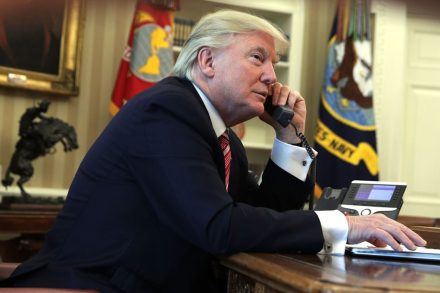
President Donald Trump called Russian president Vladimir Putin yesterday and discussed various topics, including the war in Ukraine, for an hour and a half. According to Trump, the two agreed to begin negotiations on ending the three year-long conflict immediately and even set up preliminary talks about traveling to one another’s capitals. Shortly after the call with Putin, Trump dialed Ukrainian president Volodymyr Zelensky for yet another conversation that reportedly went ”very well.” Trump’s call with Zelensky, of course, wasn’t the controversial part. Nobody had a problem with it. The dialogue with Putin, however, was apparently blasphemy, akin to violating all of the Ten Commandments on the same day.

call

Tulsi caps off a big day for ‘realism and restraint’ in foreign affairs

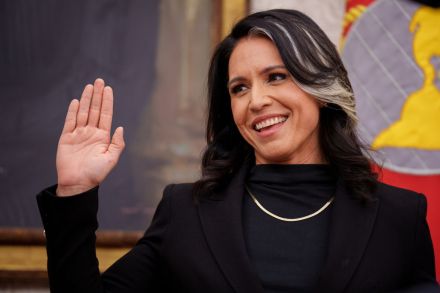
For the proponents of what they like to call realism and restraint in foreign affairs, it’s been a banner day. President Donald Trump has initiated peace talks with Russia by sidelining Ukraine. And Tulsi Gabbard has been confirmed to become director of national intelligence — overseeing eighteen agencies — on a 52-48 vote. At the White House, where she was sworn in by Attorney General Pam Bondi, Trump declared that Gabbard is “an American of extraordinary courage and exceptional patriotism.”   The sole Republican to dissent from her nomination was Mitch McConnell who has vowed to uphold oldline Republican internationalism during what is more than likely his final term in the Senate.

tulsi gabbard

Trump is like Shakespeare’s Fool

From our UK edition

President Trump’s role in relation to other countries resembles that of the Fool in Shakespeare. He provides a sort of running satire on how rulers behave, and his antic wit expresses, amid the foolery, certain truths. In relation to Gaza, the prevailing idea of the ‘international community’ is that, because of the 7 October massacres and Israel’s subsequent decapitation of the Hamas leadership, the answer is ‘a two-state solution’. This orthodoxy is tragi-comic in its lack of reality. Mr Trump looks at the matter differently.

Portrait of the week: Shoplifting surges, Trump eyes Gaza Strip and Norway’s government collapses

From our UK edition

Home Sir Keir Starmer, the Prime Minister, flew to Brussels for an EU summit, sought a ‘reset’ of relations and had celeriac soup and sea bream for dinner. AstraZeneca dropped plans to invest £450 million in a vaccine manufacturing plant in Speke, Liverpool, blaming the government’s ‘final offer compared to the previous government’s proposal’. Rachel Reeves, the Chancellor of the Exchequer, said that she supported the expansion of Leeds Bradford Airport; she had already backed a third runway at Heathrow and the reopening of Doncaster Sheffield airport. Water bills in England and Wales will rise to an average of £603. Some councils will be allowed to raise their tax by more than 5 per cent – Bradford by 10 per cent.

There’s only one way to end the war in Ukraine

From our UK edition

Donald Trump has told Vladimir Putin to end the war in Ukraine. ‘Settle now, and STOP this ridiculous war!’ he wrote on Truth Social yesterday. ‘IT’S ONLY GOING TO GET WORSE.’ But if the new president wants the war in Ukraine to end, American diplomats may have to open talks with Russia on issues much wider than Ukraine. Russia’s problem, after all, is not just with Ukraine, but with the West. Is there a deal that will make Russia, Ukraine, the US, Europe and the rest of the world, happy? Russia went to war to prevent Ukraine joining Nato and to regain for Russia a say in European security issues, and Donald Trump made it clear in a meeting with French President Emmanuel Macron that his administration will not support Nato membership for Ukraine.

Is Starmer doing enough for Ukraine?

From our UK edition

13 min listen

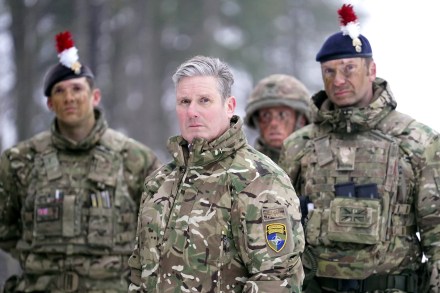
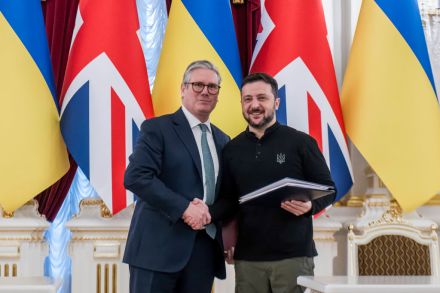
Keir Starmer is in Ukraine today, on his first visit to Kyiv since becoming Prime Minister. And he came bearing gifts: a 100-year partnership agreement between the UK and Ukraine, covering nine ‘pillars’ from culture to science. It is hoped that the new pact will define the relationship between the two countries well beyond the current conflict with Russia. This is all in the context of Donald Trump’s return to the White House, with his administration agitating for a peace deal. Is peace on the horizon? Also on the podcast, Kemi Badenoch's big speech – in which she criticised the decisions made by successive Tory prime ministers – was overshadowed by the announcement that there will be  government-backed inquiries into grooming gangs. Is this the right call?

Where have Russia’s Zs gone?

From our UK edition

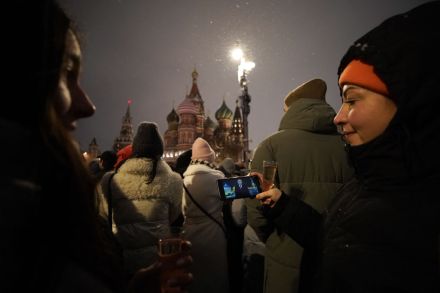
A social media post on 30 December: photographs of admittedly-splendid new year decorations in Moscow, archly captioned ‘back to 2021.’ The poster is alluding to the fact that obscene and extravagant references to Putin’s war in Ukraine – notably the letter Z, which has come to symbolise it – were notably absent from city decorations this new year. Moscow’s mayor, Sergei Sobyanin, has never seemed especially enthused about the war. He has done what the Kremlin required – diverted resources to help raise ‘volunteer regiments’; wallpapered the city with recruitment adverts; renamed Europe Square Eurasia Square – but he has avoiding too close an identification with the war, unlike so many of his less-secure counterparts across the country.

The heterodox cabinet

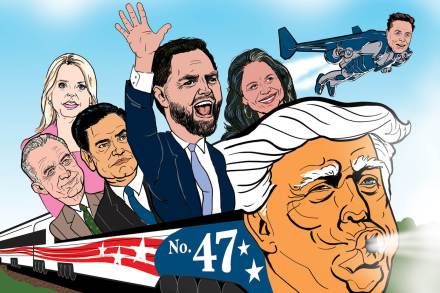
As Inauguration Day approaches, the second Trump administration is staffing up. The president-elect’s picks are more or less what everyone expected, outside of a few curveballs. To be honest, the lack of outrage from Trump critics is the big surprise: apparently Trump Derangement Syndrome is a passing fever; even many who’ve argued against him seem to see some logic in the administration of outsiders he’s been signaling he’ll pick for years. In Washington, where almost nothing changes from administration to administration, these cabinet picks might actually be able to effect some meaningful disruption. In almost every role that matters, Trump has opted for a nominee who has been an extreme critic of the very body he or she is set to oversee.

cabinet
Trump

Trump’s new world order

Donald Trump’s ascension to his second presidency comes with a new cadre of followers and sidekicks, in the form of a cabinet built almost entirely from fresh faces. This is not a president interested in continuity, which he signaled early on, stating on social media that Nikki Haley and Mike Pompeo — his erstwhile United Nations ambassador and secretary of state — would have no place in his second administration. The first name wasn’t a surprise, given the obvious tension he had with the woman who was his last challenger in the primary. The second was because Pompeo had been a dutiful supporter of Trump while in office, wrote a book defending their shared record on foreign policy and rejected the opportunity to run himself.

Eastern

How Eastern Europe is leaving Western Europe behind

I'm in the tiny riverside town of Virpazar, in the little Balkan country of Montenegro; and under the white geisha face of a late summer moon I am warily ordering the celebrated local delicacy. It is carp — caught from the nearby, slivovitz-clear waters of Lake Skadar (biggest lake in the Balkans!). But what makes me wary is the preparation. The carp is apparently marinated, and served cold, with boiled potatoes and greens. Cold slimy fish with hot spuds and spinach? It sounds like some nightmare culinary “specialty” from the old communist bloc (of which Montenegro was once a part, within Yugoslavia). I’m veteran enough to remember a few of these. “Famous” flatbreads that came with rancid lard.

Steven Pinker: The inside story of my Covid ‘bio bet’

From our UK edition

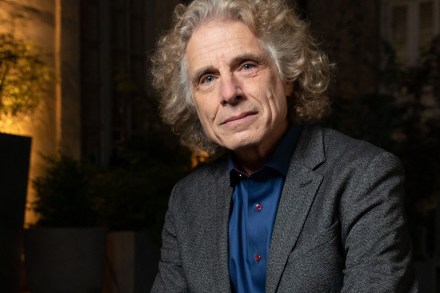
Betting men Sir: The bet between Martin Rees and me that Matt Ridley recounts pits two kinds of scruples of disinterested rationality against each other (‘Wuhan wager’, 7 December). One is the scientific ethos that calls for factoring in all relevant information in updating one’s degree of credence in a hypothesis. The other is the logic of the epistemological tool of betting, which demands an agreed-upon fixed criterion and deadline for resolving the bet. My degree of credence has been influenced by Matt and Alina Chan for the lab leak hypothesis, but also by counter-arguments from Peter Miller for the zoonotic theory.

The joy of our village Christmas play

From our UK edition

We are just recovering from the village play. This annual Christmas event was taken over last year by our son William, who writes it and acts in it, and his wife Hannah, who directs. Last year, it subverted the genre (as critics like to put it) of ghost stories. This year, it did a similar trick with whodunnits. It was entitled Death on the Dudwell, a reference to the trickle of a tributary which runs beside our fields. The play, set in 1935, opens with the idle would-be heir Arthur Prince (William) reading a contemporaneous Spectator on a sofa. It concerns the murder of his father, the unsavoury Lord Haremere (played by William’s former prep-school head, David Chaplin) who, though already dead before the play starts, has a good many lines.

Portrait of the year: Subpostmasters scandal, Rishi in the rain and Syrian rebels topple regime

From our UK edition

January After an ITV drama, the government suddenly proposed to do something about the unjust prosecution of sub-postmasters. Junior doctors went on strike. There was a surge in scabies. The King went to hospital and was later found to have cancer. The Princess of Wales was in hospital with what turned out to be cancer. Five migrants died boarding a boat for England off Wimereux. In Beirut, Israel killed the deputy head of Hamas. Israel said that it expected war in Gaza to continue throughout the year. The United States, with token British support, struck sites in Yemen to deter Houthi attacks on shipping. Russia mounted the biggest missile bombardment of its war against Ukraine. China’s population fell by 2.08 million to 1.41 billion.