Tracy Letts

Nothing can save Rosebush Pruning 

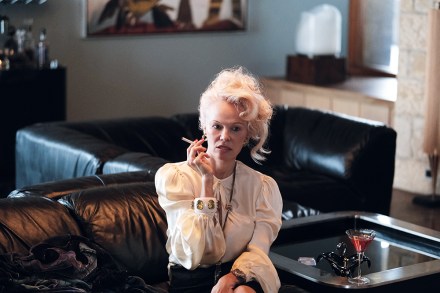
Rosebush Pruning is one of those films where you’ll say to yourself at the end: what the hell have I just seen? And not in a good way. It’s about a wealthy family who are into fratricide, parricide, incest and blood. No quiet evenings playing Trivial Pursuit or charades for this lot. Mercifully, it is only 90 minutes long but, on the other hand, there are images you won’t be able to scrub from your mind for a lifetime. Swings and roundabouts, my friends, swings and roundabouts. When it comes to the eat-the-rich genre, this does make Saltburn look like child’s play Inexplicably, it has a knockout cast: Callum Turner, Jamie Bell, Tracy Letts, Pamela Anderson, Riley Keough, Elle Fanning, Lukas Gage. (You will want to pull each aside to ask: ‘Why? Did you piss off your agent?
Tracy Letts’s magic touch

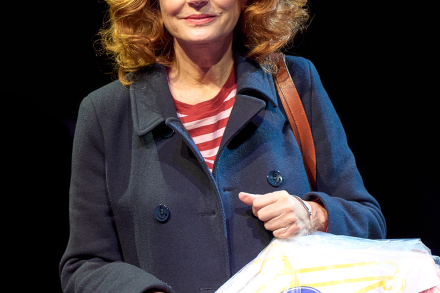
Tracy Letts’s Mary Page Marlowe is a biographical portrait of an emotionally damaged mother struggling with romantic and family problems. Susan Sarandon shares the lead with four other actresses which makes the show a little hard to follow. And the timeline is jumbled up so that the audience has to find its bearings at the start of each new episode. Why? Perhaps to give the material a complexity it doesn’t deserve. We first meet our heroine, aged 40 (played by Andrea Riseborough), as she tells her kids that they’re moving to Kentucky without their dad. This unpromising scene is hilarious because the word ‘Kentucky’ is repeated so often that it becomes a profanity. Pinter loved verbal games like this.

The problem of back-story in drama

Olga in Three Sisters, the opening speech: ‘Father died just a year ago, on this very day – the fifth of May, your name-day, Irina.’ Jeeves says somewhere in P.G. Wodehouse that people with monogrammed slippers are afraid of forgetting their names. Irina, the absent-minded sister, probably needed reminding it was her birthday. A useful side-effect is that the audience also knows exactly when and where we are. Tracy Letts’s August: Osage County begins with a frank information offload: Beverly Weston, the patriarch, conveniently explains to the new native-American hire, Johnna, the basic set-up: ‘My wife takes pills and I drink.’ This bald set-up is ‘concealed’ by digressions about Berryman, T.S.

Watching The Woman in the Window

From our US edition

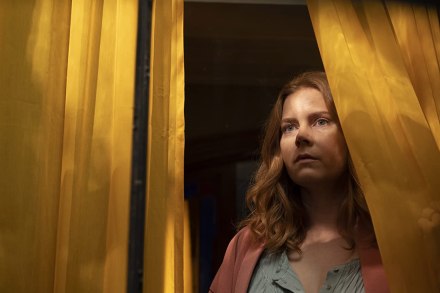
Watching the rich and famous fail in slow motion is an American pastime. Movies like Heaven’s Gate, Eyes Wide Shut and They All Laughed weren’t reviewed — it was their circumstances, their producers, their directors that people wrote about. And that’s how most material on The Woman in the Window (not to be confused with the 1944 Fritz Lang film) begins and ends: ‘A.J. Finn’s beloved novel had a long, hard way to its release.’ Now that it’s here, dumped on Netflix in lieu of a major theatrical release by the already defunct Fox 2000 Pictures, fans of the book are largely disappointed, and fewer still are even aware of the film’s existence. Compared to the anemic ‘Netflix Originals’ it’s padding out, The Woman in the Window is a stunner.

woman window