Superstition

A foolproof way of predicting the future

A peek at the horoscope, puzzling the meaning of dreams, wearing lucky socks, having a method for choosing lottery numbers – many otherwise rational people retain a vestigial interest in prediction to ensure favourable outcomes. I’ll happily admit to a fascination with Tarot cards – and I do seem to be an archetypal bossy Aries. Christopher Dell’s Prophecies demonstrates just how widespread a belief in divination has always been across cultures, however peculiar or unsavoury the methods. In ordering his vast material, Dell sets out some ‘categories of convenience which allow us to impose some structure on a naturally amorphous topic’.

Why would your dead daughter climb out of her grave to harm you?

Yarnton, Oxfordshire. A teenage girl is dumped face down in a pit, her legs bent and tethered. Around her lie the crania, jawbones and ribs of several children. Taken alone, this scene of 9th-century carnage puzzles as much as it horrifies. When placed in the wider context of a seemingly universal need to ensure that the dead stay in their graves, it’s highly suggestive. The subtitle of the medieval historian John Blair’s Killing the Dead is a tease, since vampire fiction is almost an afterthought. Folklore and imaginative literature are carefully separated from archaeological evidence.

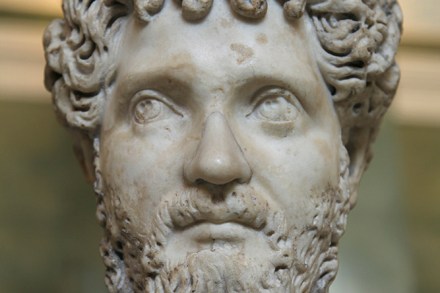
Horoscopes and horror – the reign of Septimius Severus

Rome’s first African emperor, Septimius Severus, was renowned during his reign (193-211 AD) for the mass killings of his rivals (ruthlessness even by ancient standards); for his genocide against the Scots (a rare recourse, despite Rome’s bad reputation as imperialists); and his budget-stretching generosity to his soldiers. He had an unusually glamorous Syrian wife, Julia Domna, who indulged her pet philosophers and her husband’s superstitions while setting a hairstyle trend. He had women Christians thrown to wild animals. His two sons, Caracalla and Geta, notoriously hated each other.

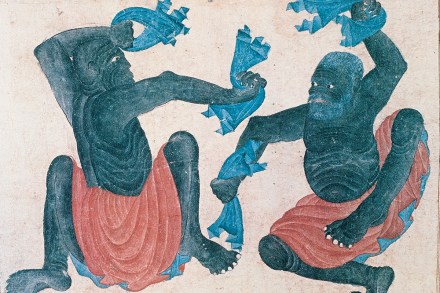
Why shamanism shouldn’t be dismissed as superstitious savagery

In 2014, in the course of his inquiry into shamanism, the anthropologist Manvir Singh spent time with the Mentawai people on the Indonesian island of Siberut. He estimated that among the 265 residents he managed to interview, 24 were male shamans, or sikerei. These ‘specialists’, as he puts it, were uniquely empowered to commune with spirits and provide a range of services which included healing, divination and raining down afflictions on enemies. Over the course of two extended visits, living on a diet of fried grubs, boiled pangolin and pigs’ testicles, Singh witnessed ceremonies characterised by ‘turmeric coated sikerei decked out in leaves and beads... the dissonant clanging of bells and the hellish squeals of sacrificed pigs’.

When the local wizard was the repository of all wisdom

What do you do when one of your possessions goes missing? Search behind the sofa cushions? Ask other members of the household where they put it? If you lived in Renaissance England, there’s a chance you would have consulted a local magician for advice, especially if the lost item was of value. In the absence of police to investigate theft or insurance to cover a loss, a wizard tracing the item seemed like a fair choice. Nor was it the entirely foolish idea it might seem now. In a time when belief in magic was widely held, making it known that a magician was on the case could prompt a guilty party to come forward. In Tabitha Stanmore’s Cunning Folk, these figures played an important social and cultural role in Britain, from the medieval to early modern period.

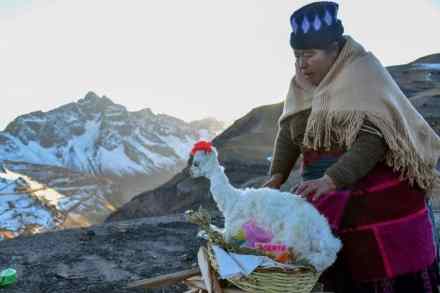
Are the rumours of human sacrifice in Bolivia true?

La Paz One summer a few years ago, I joined a group of miners in Potosí, Bolivia, to toast the Andean Mother Earth. I had just moved to La Paz, the country’s political capital, to try my hand as a journalist. As we chatted, a cup of warm beer and shots of spirits were handed around the circle. Before drinking, we had to pour a little on the earth and a little on the head of the white llama that was trussed up between us. My notebook from that day is specked with brownish stains. After we’d finished passing around the spirits, the llama was held down and its throat was cut. ‘The most important part of the llama is the blood,’ one miner said. ‘Blood is life, and the gods don’t bleed.

I tempted fate – and got Covid

Well, I did warn you. As I typed my column last week on the imminent end of Covid I said I knew that I was tempting fate. The main fear I had in mind was that the moment the magazine hit the newsstands some wild new strain of the virus would break out, wipe out half of humanity and lead to quite a cross letters page the following week. Fate had a more minimalist plan. Having dodged Covid for two years, it took me writing a column predicting the end of the virus for the fates to eye me up and snicker: ‘Now we’ve got him.’ The day after I filed, I developed a sore throat and a blocked nose. By the time the magazine was on the stands, I was wondering whether Betty White had chosen to strike me down from beyond the grave.