Scams

Madcap antics: The Pentecost Papers, by Ferdinand Mount, reviewed

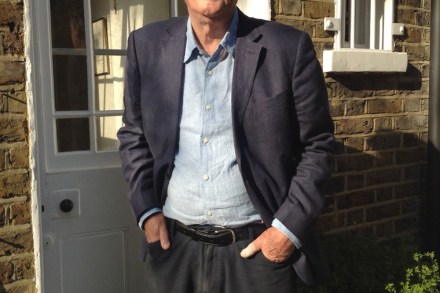
Ferdinand Mount has had an illustrious career, including posts as head of the No. 10 policy unit under Margaret Thatcher, literary and political editor of The Spectator and editor of the TLS. He is a prolific author to boot, with 29 fiction and non-fiction books under his belt. His latest novel, The Pentecost Papers, is an ‘ill-starred odyssey through an incurably slippery world’, he writes, ‘recorded by several hands – most of them unsteady’. Our first narrator is Dickie Pentecost, a diplomatic correspondent (‘an anachronism,’ he admits, ‘like still keeping a hat-stand in the hall’). Dickie will be familiar to readers of Making Nice (2021), a satire of spin dedicated to Mount’s ‘fellow Wonks and Spads’.
How deepfake fraud is rewiring our minds

From our US edition

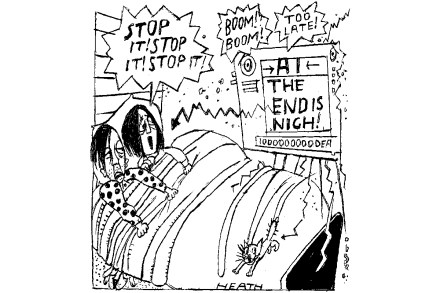
We’re led to believe that America was once Mister Rogers’ Neighborhood, a place of cardigans and kindness where everyone got along just swell. Then it all went wrong. MSNBC hosts talk of a “crisis in authority” while New York Times columnists blame corrupt Republicans for a “lost faith in liberal governance.” Right-leaning commentators point to mass migration as the great trust killer. Illegal aliens, we’re told, have a “fragmenting effect on shared cultural norms” and are “importing distrust.” No doubt these arguments contain an element of truth: America is a less trusting society than it was a few decades ago. But soon such arguments are going to appear as quaint as Mister Rogers’s model Pennsylvanian town.

fraud

Inigo Philbrick, the art world’s wheeler dealer stealer

From our US edition

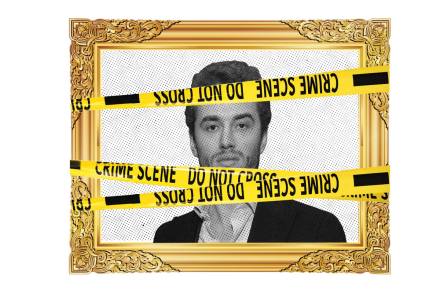
A few months after going on the lam in late 2019, the thirty-two-year-old wunderkind art dealer Inigo Philbrick sent his friend and colleague Orlando Whitfield a trove of documents. Philbrick wanted his old friend to write a sympathetic account of the misdeeds he stood accused of — since described as the biggest art fraud perpetrated in US history, for which Philbrick was later convicted and imprisoned. Whitfield has instead written All That Glitters, a memoir chronicling their friendship and dealings during a heady “gold rush” decade in the art world. Going through Philbrick’s correspondence and the court documents, Whitfield realized his friend was not the person he purported to be, certainly not the one his clients believed he was.

Philbrick

Meet the telemarketer-turned-filmmaker behind HBO’s Telemarketers

From our US edition

In 2001, at the age of fourteen, Sam Lipman-Stern dropped out of high school in New Jersey and started working at the now defunct Civic Development Group (CDG) as a telemarketer. He stayed for seven years, calling up citizens to ask for money on behalf of police charities. It turned out to be a massive scam.  More than two decades later, Lipman-Stern, now thirty-six and a seasoned filmmaker, has exposed not only CDG — which underhandedly kept 90 percent of the proceeds it raised — but the entire industry in his frenetic, rip-roaring investigative HBO documentary Telemarketers.  Co-directed by Adam Bhala Lough and produced by the Safdie brothers, the three-part docuseries is a wild ride, largely due to Lipman-Stern’s archival footage.

Rishi Sunak’s NFT gimmick is a step too far

We had got used to the expensive trainers. The carefully curated hoodies were just about acceptable. The Twitter feed was starting to grate on people’s nerves, and so were the stage-managed photo ops, such as filling up a borrowed Kia Rio at Sainsbury’s right after cutting fuel duty, but they were part of the package. But the Chancellor Rishi Sunak may finally have come up with a gimmick too far with the launch of the Treasury’s very own digital token. Sunak’s addiction to gimmicks is starting to undermine his credibility The Chancellor, between figuring out how to control inflation, pay for public services and reboot the economy found some time this week to launch the British government’s first NFT.