Plato

Why Alain de Botton is a moron

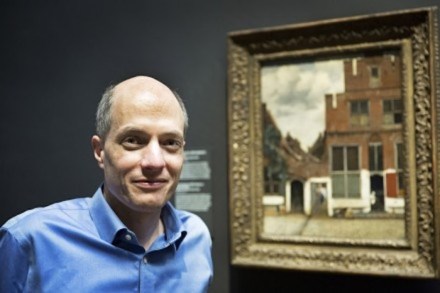
It’s become too easy of late to be rude about Alain de Botton. His banal aphoristic “insights” and homilies on Twitter, his efforts to turn the media away from “meanness” (news should provide moral uplift and teach us how to be better people), his plea for museums to emulate churches by replacing their “bland captions” with a set of moral “commands”, thereby using the art in their collections to make us “good and wise and kind”, have all begun to pall somewhat. When did the playful essayist become so cloyingly dumb? And please, before I say another word, do let’s stop calling him a philosopher.

Sorry, Rory Stewart, but you don’t understand the Greeks

In last week’s Spectator, Rory Stewart, MP for Penrith, was reported to be proposing that we should create in Britain ‘1,000 little city states, and give power right down to all the bright, energetic people everywhere who just feel superfluous’. What did they teach him at Eton? The ancient Greek city-state (polis, source of our ‘politics’, etc.) was certainly ‘little’. There were at any one time about 1,000 of them dotted round the Mediterranean, most consisting of a city plus its surrounding countryside; and because of the nature of the terrain and the limited resources it could command, the average polis was c. 5,000 strong. The explanation of Athens’ power is that it was the largest of all poleis (pl.

Hedonistic? No, today’s gay men are civic-minded – and conservative

A gay friend phones over the New Year break. A lovely chap (let us call him Richard) and long retired, he has done well and made money over the years. Richard has called to tell me how he is spending it. I know that in the past he had helped the gay lobbying organisation Stonewall; and that in memory of his late civil partner he had helped endow a local state school in need of funds. Now, he tells me, he has bought a house for a young friend and his partner: someone who helped Richard during the low time after his bereavement. ‘There was no way they could find the savings to get their feet on the ladder,’ he tells me, ‘and I just thought “What’s all my money for if not to do some good?

Ancient and modern: Socrates on TV election debates

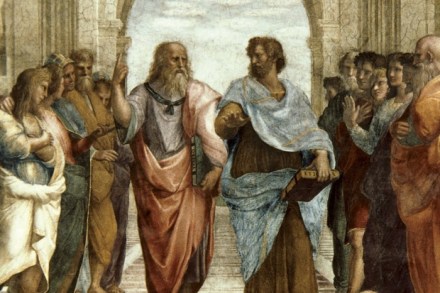
Lord Hennessy has been arguing that, as a result of TV debates between party leaders prior to elections, ‘the plausible tart bit will play too powerfully in [parties’] choice of leader and therefore rule out the decent but non-tarty people.’ It is good to see the modern world finally catching up with Socrates on the question of rhetoric and persuasion. Socrates is in conversation with Gorgias, the famous teacher of rhetoric, about what he thinks he is teaching. The skill of persuasive speech, Gorgias replies, whose purpose is to produce conviction. But, Socrates asks, conviction about what? Right, or wrong? Right, obviously, says Gorgias, which the orator will be able to teach. Socrates demurs: why should an orator, simply by being an orator, know the difference?