Orkney

‘Do you know the local MP?’ ‘Aye, she runs the sauna’: my Shetland dispatch

The Shetland Islands The SNP have had better weeks. It’s strange to think that it was only this month that the party won a staggering fifth term in office, despite independence being no closer, and a record of failure on everything from education to drug deaths. Perhaps the most remarkable result for the SNP leader John Swinney was the election of Hannah Mary Goodlad in the Shetland Islands. Since 1950, this was the first time these islands had voted for someone other than the Liberals or Lib Dems. Goodlad triumphed after a vigorous campaign featuring windswept social media videos and three visits from Swinney; before her election, she ran an outdoor sauna business.
Islands of inspiration: a poet’s life on Shetland

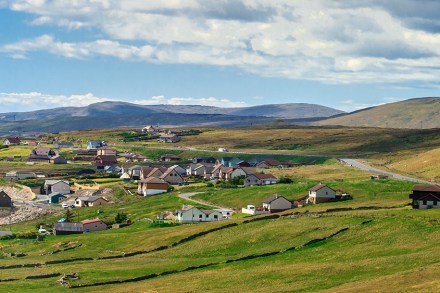
Shetland comprises an archipelago of some 300 islands and skerries situated roughly half way between London and the Arctic Circle. Stereotyped by many outsiders as bleak and somehow ‘on the edge’, according to the poet Jen Hadfield’s stylish memoir – about her 17 years of living there – it can be more illuminating to see these places as somehow central to everything. Visiting Foula, Hadfield overcomes her vertigo, finding the island ‘peaceful and dreadful’ all at once Storm Pegs is as much an account of the author finding new personal bearings as a series of magic lantern slides about insular life. The title alludes to a traditional piece of perforated wood used by mariners to keep track of their whereabouts: you stuck the peg in a hole and navigated accordingly.

Set in a silver sea: the glory of Britain’s islands

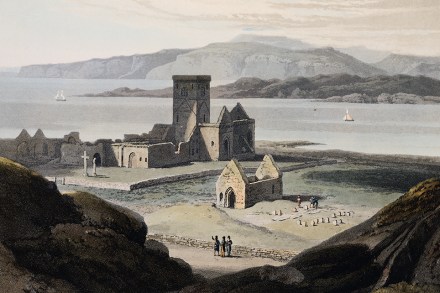
Islands always intrigue, hovering on the horizons of our imaginations – seen, according to your lights, as territories to be taken, ancient redoubts, repositories of secrets, even loci of lands of youth. Where there are no islands, we often imagine them – Plato’s Atlantis, the Celts’ Avalon, the Irish Hy-Brasil, Zeno’s Friseland, Columbus’s Antillia – and occasionally find them, like Terra Australis Incognita, postulated long before Europeans made landfall. Orkney was a trading station long before London, and Iona was the epicentre of Celtic Christianity Britain was once itself an imagined island – or rather islands plurally, called by Pliny Britanniae, one archipelago among others in the great geographer’s speculative world atlas.