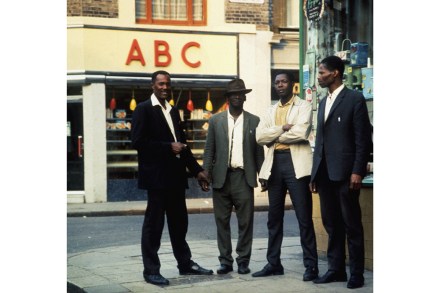
Notting Hill Carnival

In defence of Notting Hill Carnival

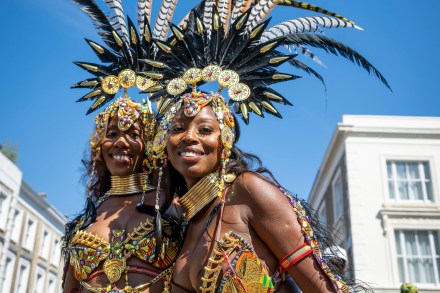
This isn’t going to be a piece celebrating the rich cultural tapestry of London’s Afro-Caribbean community, sombrely expressing the importance of preserving its heritage and history. I just like going to Carnival. I see it as an opportunity to make the most of the last dregs of the summer. I’ll meet my friends, dance to a grizzled Rasta’s tunes with a Magnum or two (a syrupy, 16.5 per cent alcohol, Jamaican tonic wine), watch the steel drums and befeathered dancers, before decamping with a box of jerk chicken and fried plantain. There’s no £499 VIP Platinum wristband you can buy to have the premium Carnie experience I spent the first decade or so of my life in London, and returning here as an adult is a disillusioning experience.
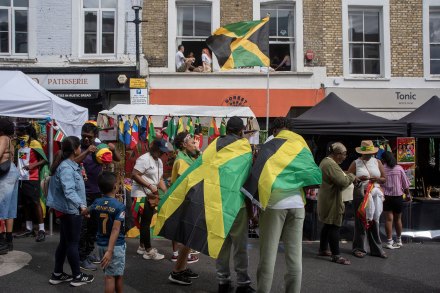
Why the row about the England flag matters

At the end of Sky News’s coverage of last year’s Notting Hill Carnival, its correspondent recited the usual list of arrests, stabbings and so on before concluding her piece to camera by saying: ‘But overall it’s been a really peaceful and enjoyable day.’ This year the honour of summing up the beauty of the event was left to Sky’s arts and entertainment correspondent, Katie Spencer. The reason it is important for two million people to gather in the tight streets of Notting Hill over the August bank holiday, she said, is because of ‘resistance to racism’. ‘This is a place where community comes together,’ she went on, ignoring all the shops in the area that had been boarded up. ‘You don’t walk around constantly looking over your shoulder.

Cosmopolis

From our US edition

Every history of London, and there have been many, has looked at the importance of migration to the city. Failing to mention that would be as inconceivable as not mentioning the River Thames. Both, after all — one literally, the other metaphorically — flow directly through the city’s heart. In this new and scholarly study, the difference is that London’s history of migration — its patchwork of settlement, its Irish ‘rookery’, its ‘colored quarter’, Huguenot silk-weavers, Jewish street-sellers, German bakers, Italian waiters, Chinatown, Banglatown — is put center-stage. The movement of all these people to London, the city’s extraordinary national, then continental, then international pull, is the story.

migrant