James Evans

Cosmopolis

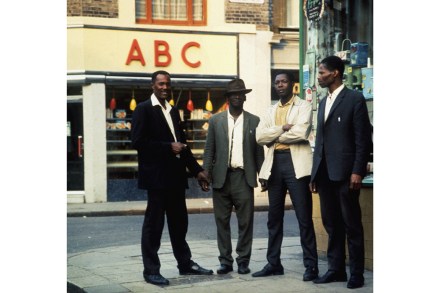
Every history of London, and there have been many, has looked at the importance of migration to the city. Failing to mention that would be as inconceivable as not mentioning the River Thames. Both, after all — one literally, the other metaphorically — flow directly through the city’s heart. In this new and scholarly study, the difference is that London’s history of migration — its patchwork of settlement, its Irish ‘rookery’, its ‘colored quarter’, Huguenot silk-weavers, Jewish street-sellers, German bakers, Italian waiters, Chinatown, Banglatown — is put center-stage. The movement of all these people to London, the city’s extraordinary national, then continental, then international pull, is the story.
migrant

The hundreds of languages spoken in London are the city’s greatest glory

From our UK edition

Every history of London — and there have been very many — has looked at the importance for the city of migration. Not to mention it would be as inconceivable as ignoring the River Thames. Both, after all, flow directly through the city’s heart. In this scholarly new study, the difference is that London’s history of migration — its patchwork of settlement, its Irish ‘rookery’, its ‘coloured quarter’, Huguenot silk-weavers, Jewish street-sellers, German bakers, Italian waiters, Chinatown, Banglatown — is placed centre-stage. The movement of all these people to the capital — its extraordinary national, then continental, then international pull — is the story.

Britain’s obsession with boxing is as deep-rooted as its devotion to cricket

From our UK edition

Boxing has long been a British obsession, exported successfully to North America, but never widespread on the Continent. Mainland Europeans struggled to understand that in general there was no quarrel between contestants who assaulted each other so brutally. ‘Anything that looks like fighting,’ explained one bewildered French visitor, ‘is delicious to an Englishman.’ He might have said the same about drinking or gambling, pastimes embedded in the fabric of Georgian society to an ‘astonishing extent’. They were habits, moreover, upon which the popularity of boxing depended. The story of Daniel Mendoza, little known except to sporting historians, is fascinating on both a personal level and more generally.

A ménage à trois that worked: Ivan Turgenev and the Viardots

From our UK edition

If we still bemoan a world of mass tourism, the mid 19th century, Orlando Figes reminds us, is where it began. Aristocrats were accustomed in youth to prolonged, libidinous grand tours through the Continent (the gap years of their day). For the masses, though, this was the start. ‘During the autumn months,’ grumbled one British newspaper, ‘the whole of Europe seems to be in a state of perpetual motion.’ Not only rich people were involved; so, heaven forfend, were the ‘lower classes’. The English were particularly at fault. Lonely on their island, enjoying surplus income and time, they ‘swarmed’ everywhere.

Catfight at court

From our UK edition

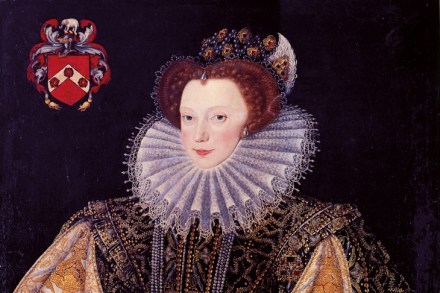
Apart from glorying in a memorable name, Lettice Knollys has chiefly been known for her connections — with her second husband, Robert Dudley, first Earl of Leicester; with the woman who was deeply in love with Dudley, Queen Elizabeth I; and with her hot-headed son who, as Earl of Essex, for a time enjoyed a flirtatious closeness to the older Queen. Until now, there has been no biography of the Countess of Leicester in her own right. Elizabeth, having been close to Lettice in her youth, was enraged and embittered by her marriage to Dudley, the one man in the Queen’s life who was ‘completely off limits’, according to Nicola Tallis.