Mississippi

The growing appetite for brisket

From our US edition

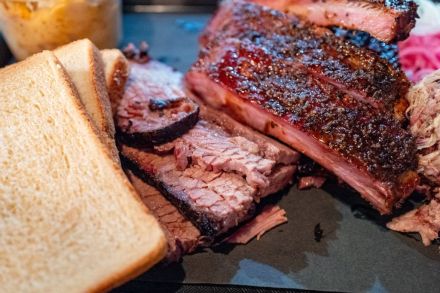
When I first became enamored with barbecue in the 1990s, I ate a lot of chopped pork at Carolina barbecue joints, and sometimes chicken and ribs. One thing I almost never encountered was beef, especially slow-smoked brisket. That barbecue cut remained mostly a Texas thing until well into the 21st century. A few pioneers did try to introduce it to the Carolinas over the years, with limited success. Tommy Brightwell, for instance, put brisket on the menu when he opened Pappy’s BBQ in Madison, North Carolina, in 2004. A review in the Greensboro News & Record began, “So, you think barbecue has to come in pork form only?
brisket

What Mark Twain owed to Charles Dickens

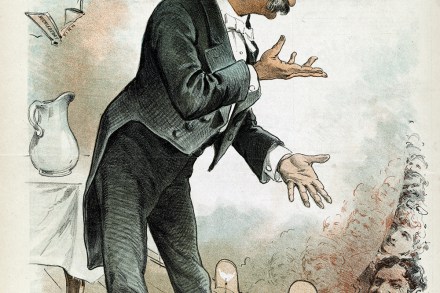
You know Mark Twain’s story. You’ve got no excuse not to; there have been so many biographies. Starting in the American South as Samuel Clemens, he took his pen name from the call of the Mississippi boatmen on reaching two fathoms. His lectures, followed by his travel pieces and novels, enchanted America and then the world. As a southerner, his principled stance against slavery gave him moral authority. The famous ‘Notice’ to The Adventures of Huckleberry Finn – ‘Persons attempting to find a motive in this narrative will be prosecuted; persons attempting to find a moral in it will be banished’ – was swept aside, so that persons like H.L. Mencken could straightfacedly describe it as ‘the greatest novel ever written in English’.

Is Mark Twain’s old age best forgotten?

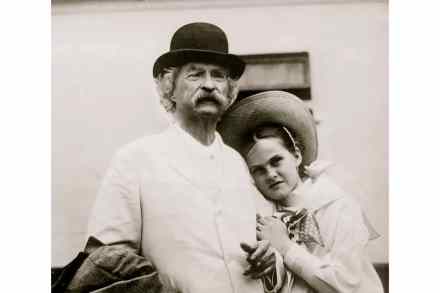
Mark Twain conquered almost every challenge that came his way except old age. Living well into his seventies, he was a printer, an investigative journalist, a riverboat captain, a government functionary, a bestselling novelist, an imperialism-defying political essayist, a successful playwright and a devoted father and husband. He travelled the world giving lectures that made him many fortunes, which he often used to replenish the fortunes he lost from his madder and most poorly managed investment schemes, such as the Paige Compositor, a self-justifying printing press which worked briefly for a few days in 1894 and then, just as mysteriously, stopped.