Robert F. Moss

Robert F. Moss is the contributing barbecue editor for Southern Living, author of Barbecue: The History of an American Institution and author of the Robert F. Moss newsletter on Substack.

Why is May National Barbecue Month?

We’re almost to the end of May, which means National Barbecue Month will soon be drawing to a close. I hope you’ve been celebrating appropriately. You did know that May is National Barbecue Month, right? And that May 16 was National Barbecue Day? I, for one, can never forget, for each year my email is flooded with pitches from PR reps convinced I have completely run out of things to write about. “With it being National Barbecue Month,” one begins, “I wanted to check in and see if you have any roundups planned of must-try barbecue spots in Little Rock.”  Another generously offers, “In honor of National Barbecue Month, we’re sharing this coveted BBQ Shrimp & Grits recipe from Nashville’s [restaurant name redacted].

national barbecue month

Is barbecue a noun or a verb?

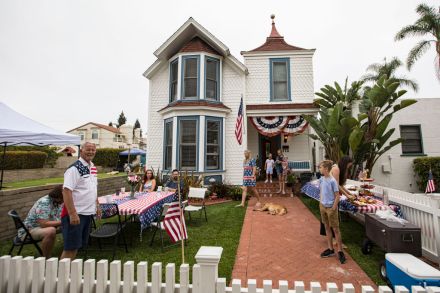
Memorial Day is approaching, the traditional kickoff for the American barbecue season – or for grilling season, depending on where you are in the country. In some regions – say, New Jersey and northward – if someone asks you to come over for “a barbecue” during the holiday weekend, you’re likely to find a charcoal or gas grill loaded up with hot dogs, hamburgers, or, if the host is really putting on the dog, thick ribeye steaks. Western-inspired parties took off in the 1930s – though digging a hole in the lawn was kind of a pain For most folks in the South, calling such fare “barbecue” is painful. Here we call those events “cookouts,” and we would say the hosts are “grilling,” not “barbecuing.

The case for barbecuing ham

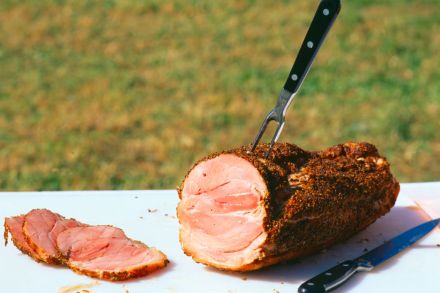
Easter is fast approaching, so of course I’m thinking about ham. This iconic centerpiece of the Easter dinner table isn’t usually associated with the barbecue pit – at least not anymore – but it’s time that changed. Ham and barbecue have had a long and somewhat rocky relationship. Both have smoky roots in the early American colonies – especially Virginia – but they originated separately. Europeans had a long tradition of salting and air-curing hams, but that method proved insufficient for preserving pork in the hot, humid climate of the New World. The Virginia colonists started rubbing their hams with brown sugar and salt and hanging them for weeks in smokehouses instead of out in the open air.

The growing appetite for brisket

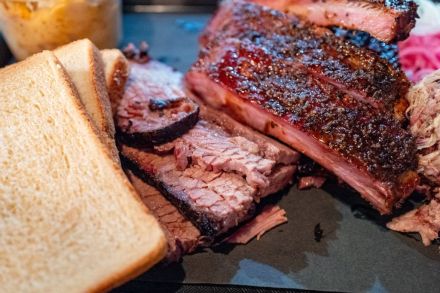
When I first became enamored with barbecue in the 1990s, I ate a lot of chopped pork at Carolina barbecue joints, and sometimes chicken and ribs. One thing I almost never encountered was beef, especially slow-smoked brisket. That barbecue cut remained mostly a Texas thing until well into the 21st century. A few pioneers did try to introduce it to the Carolinas over the years, with limited success. Tommy Brightwell, for instance, put brisket on the menu when he opened Pappy’s BBQ in Madison, North Carolina, in 2004. A review in the Greensboro News & Record began, “So, you think barbecue has to come in pork form only?

brisket

The vast landscape of American barbecue

Some 25 years ago, I walked into the University of South Carolina library to check out a book on the history of barbecue. I had just finished a PhD in American literature, but had become more interested in culinary history. I had also taken to driving the state’s backroads, seeking out old-school barbecue restaurants. Researching the history of barbecue seemed the perfect next move. To my surprise, no one had published a book on the subject. The most that had been written about pre-20th century barbecue were a few sparse paragraphs in larger works on food history. I ended up having to write one myself. It took a while. The first edition of Barbecue: The History of an American Institution was published in 2010.

Lamb is making a comeback on our barbecues

More and more Americans are turning to the barbecue pit when it’s time for holiday gatherings. Some eschew the oven and cook a pork shoulder or turkey on a backyard smoker or grill. Others outsource the work and bring home takeout trays from a local barbecue restaurant. A whole smoked brisket or pork shoulder makes for an impressive centerpiece, but this year I have a different suggestion. How about barbecued lamb? Bear with me. Lamb was once among the most popular barbecue meats. But after World War Two it all but disappeared from American pits. Over the past two decades, as aspiring backyard chefs have acquired ever-fancier offset smokers and pellet cookers, they’ve set their sights on mastering brisket, ribs and Boston butts. Lamb almost never makes it onto the menu.

lamb