Mass Observation

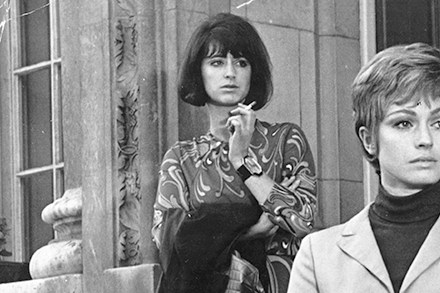
In with the new: Julie Christie, Mary Quant, Up the Junction – the decade that changed Britain

This glorious historical monument slows, expands and luxuriously stretches to encompass one of the defining moments of change in our history. When David Kynaston began, in 2007, to publish his Tales of a New Jerusalem, of which this is the sixth volume, each book covered a much longer stretch. His chronicle of the postwar Attlee settlement started with six years; the last two volumes have slowed to less than a year, then three years, and now less than 18 months. They are marvellous volumes, but if the excellent Professor Kynaston, who is 75, is to reach his terminal point of 1979, I recommend that he take his iron pills in the morning and altogether get a little bit less Zeno-and-the-tortoise about the project.
Pongs of praise: the history and importance of smell for our antisceptic age

For smell historians and experts, of whom there are gratifyingly more than you’d think, a standard assumption to be skewered is that olden ages stank; the modern world doesn’t because hygiene and chemicals have banished stinks in the name of progress. According to this reading of history, banishing odours is a sign of progress. Civilisation doesn’t smell. Neither Bjorn Berge nor William Tullett stand for this. For them, older times may have been smellier, but people were comfortable with living alongside middens, rotting corpses and foul tanneries. Smell in the modern age is now under threat and at risk of extinction or of being even more marginalised – Tullett uses the word ‘ephemeralised’ – than it already is in this age of visual primacy and screens.