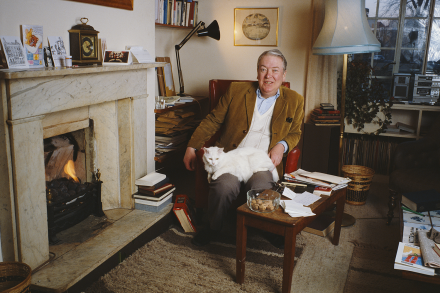
Kingsley amis

The unfortunate misogyny of Philip Larkin

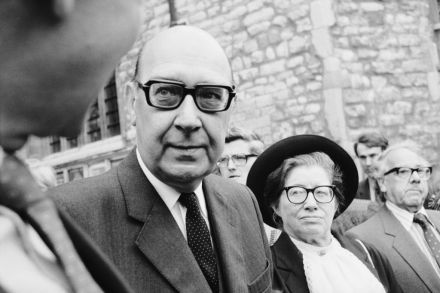
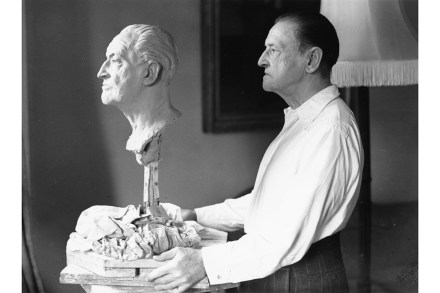
Philip Larkin — whose centenary was this week — was a misogynist. A “casual, habitual racist and an easy misogynist,” according to the literary critic Lisa Jardine. Alan Bennet, Britain’s favorite playwright and supposedly a friend of Larkin’s, even described the poet as looking “like a rapist.” Not content with one insult, he even compared him to the necrophiliac serial killer John Christie. Tough review, that one. The sheer number of reviews, essays, and articles which decry Larkin’s character and attitudes — “a porn-addled, two-timing, racist misogynist” reads the headline for one — seem to suggest this is a settled judgment. And, indeed, the evidence is all but damning.

philip larkin

Why don’t men read novels?

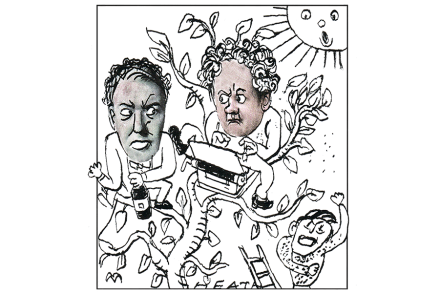
It’s hard to move on the literary internet — or that nest of inky vipers, literary Twitter — without coming across a piece that expresses one of two opinions: the first, that men don’t read literary fiction and that this limits their understanding and experience of the world; and the second, that the figure of the heterosexual white man has been crudely and cruelly excluded from the literary debate. “Bring back our Roth, our Amis, our Updike,” these commentators cry, as if they hadn’t received enough acclaim and attention in the past few decades, and if reading them had become illegal rather than just moderately unfashionable.

Cellar’s market

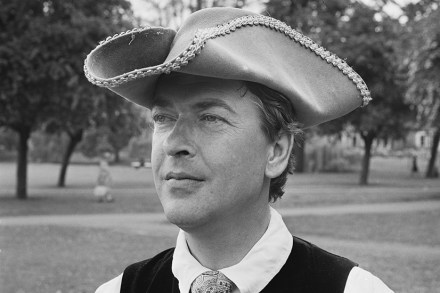
I met Kingsley Amis only once. It was in the bar of the Garrick Club at about three in the afternoon. He had clearly been there for some time. I was with a friend who knew him, so cadged an introduction. I cannot say that we had a truly meaningful exchange. More like 1 Corinthians 13:12: ‘through a glass, darkly’. But the encounter did put me in mind of General Principle Number 1 from Amis’s amusing book on drink, candidly titled On Drink. ‘Short of offering your guests one of those Balkan plonks marketed as wine,’ he advises, ‘go for quantity rather than quality.’ If you had asked my opinion about that advice a couple of months ago, I might have demurred.

cellar lockdown billecart

Dedicated to literature

The convention is that if you happen to meet authors and have just bought or acquired a book of theirs, you ask them to sign it. Particularly stuffy authors might refuse, but in most cases they feel flattered and duly inscribe your name and theirs on the title page or the flyleaf of the book in question. If the mood is right, they may add ‘with best wishes’ or something of the sort. At a superficial level, of course, such signatures are only the equivalent of an autograph album. There’s more to it than that, however. Added value perhaps, but association certainly. The human race lives by the stories we tell ourselves about our identity and our purposes, and that signature helps to make the author’s story part of the reader’s story.

signatures david pryce-jones

Why do Americans and Brits write about alcohol so differently?

This article is in The Spectator’s inaugural US edition. Subscribe here to get yours. ‘No nation is drunken where wine is cheap,’ Thomas Jefferson famously said, laying the blame for insobriety firmly on ‘ardent spirits’. The third president was a notorious wine-fancier with a particularly soft spot for Sauternes, yet it is true that countries with a long history of winemaking tend towards more easeful drinking. Despite the ghastly interregnum of Prohibition, America has become a serious wine-producing nation — and yet ardent spirits seem to have left far stronger a mark, on the national mindset and on the nation’s prose.

liquor american alcohol