Goering

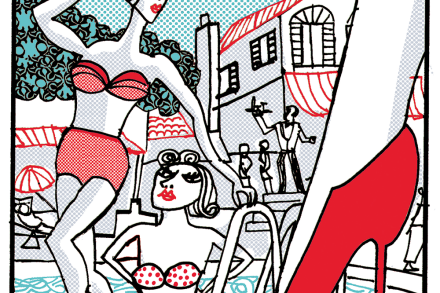
The unlikely link between Nuremberg and The Devil Wears Prada

In the aftermath of Peter Magyar’s victory in Hungary, while I watch people dancing in the streets as they celebrate Viktor Orban’s dramatic ousting, I think of my Hungarian grandparents. As Holocaust survivors, they were the lucky ones, and they remained proud Hungarians to the end. They would have greeted this election with characteristic realism: Minden csoda harom napig tart, as the saying goes. Every miracle lasts three days. Hungary is a country still feeling the long aftershocks of the second world war and the Holocaust. Those shocks seem clearer than ever after the years I have spent researching The Nuremberg Women, my new book on the trials.
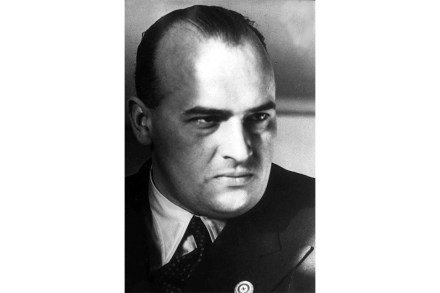
How could Hitler have had so many willing henchmen?

Eight decades after the second world war ended, for how much longer will we produce massive books about Hitler and the Nazis? Richard J. Evans, the former regius professor of history at the University of Cambridge, is one of the senior gardeners in this noxious orchard, having devoted a lifetime’s study to the subject. As a minor under-gardener in the same field, I believe that we now know all we need to about the Führer and the crimes of his vile regime, and, barring the unlikely discovery of something new, it is time that historians moved on. The damning facts can be briefly stated, and are cogently summed up by Evans in his conclusion: Hitler was a fanatic, brought to power by a German middle class traumatised by defeat in the first world war and the economic woes that followed.