Everest

Riddled with contradictions: the enigma of Jan Morris

Jan Morris was driven by almost super-human levels of energy and ambition, producing more than 40 books as well as news and travel articles, introductions, interviews, reviews and essays, travelling incessantly and taking on every job that was offered. That’s as far as I can go without a pronoun, because of course Morris’s life is divided into two parts. For the first half he was James, for the second she was Jan. James Morris was born in 1926, aware from early on that she was female, trapped in a male body. The transition to Jan, made in the early 1970s, remains at the heart of our fascination with Morris.
The quest for the world’s highest peaks

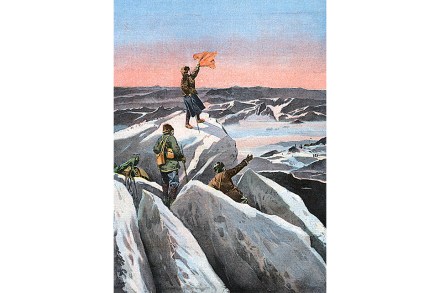
What makes men and women climb high? Most commonly, according to Daniel Light, ‘the prosecution of science or the advancement of empire’. It might also be general flag-waving or just personal fulfilment, as in the case of ‘private traveller’ Godfrey Vigne, who opened his English eyes to the wonder of the Karakoram in the baleful 1930s. London-based Light – ‘a keen climber, not a serious mountaineer’ – has produced a colourful survey of mostly 19th-century mountaineering across the globe, starting with the geographer and natural philosopher Alexander von Humboldt and his five-year expedition to South America.

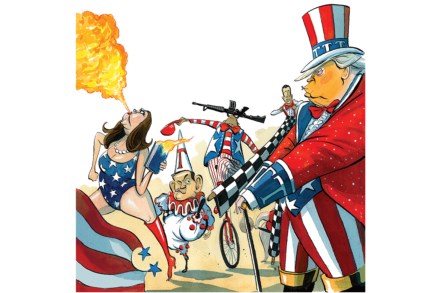
Veep show: who will Trump pick for his running mate?

47 min listen

This week: Veep show: who will Trump pick for his running mate? Freddy Gray goes through the contenders – and what they say about America (and its most likely next president). ‘Another thought might be buzzing around Trump’s head: he can pick pretty much whoever he wants because really it’s all about him. He might even choose one of his children: Ivanka or Donald Junior. What could sound better than Trump-Trump 2024?’ Freddy joins the podcast. (02:10) Next: Will and Lara take us through some of their favourite pieces from the magazine, including David Shipley’s piece on the issues in the criminal justice system and Patrick Kidd’s article on the C of E’s volunteering crisis.  Then: Everest.

The dark side of the Himalayas

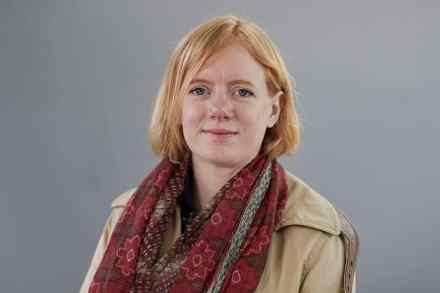
How best to write a book about the Himalayas when Mount Everest has been reduced to just another tick-off on the bucket lists of the wealthy? We all remember the pictures of adventurous parka-clad westerners queuing up to scale the summit in 2019. The world’s most inaccessible and inhospitable areas have now become the target of an extreme form of charter tourism. Not even the outbreak of Covid stopped people forking out more than $10,000 to join the queue. In High, the Norwegian writer and social anthropologist Erika Fatland traverses the mountain range, straying from the well-trodden path of privileged tourism onto the Silk Road less travelled.

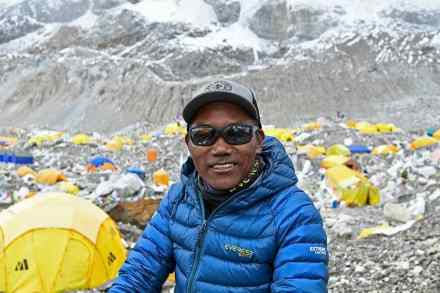
Finally, the Sherpas are heroes of their own story

John Keay has for many years been a key historian and prolific contributor to the romance attaching to the highest mountains on Earth. His latest book is described as a summation of that lifetime’s contribution, offering an overview of the Himālaya – the Sanskrit version (‘Abode of Snow’) that Keay bids us use – both as a physical place and as a realm of intellectual inquiry. The book opens with a bang. Its first theme is the astonishing mountain-making forces that created the region. Specifically, Keay gives us the prolonged intellectual skirmishes among geologists as they tried to piece together the formative processes.