Ed miliband

The three groups of voters that Labour needs to win back

Labour is in a more difficult position now than it was after its defeat in 1992. In ’92, the electorate had sent Labour a clear message: move to the centre, don’t say you’ll put up taxes and get a better leader. But this time round, the message Labour has been sent is more complicated. There are three groups of voters that Labour failed with at this election, I argue in the magazine this week. Aspirational voters who went Tory, the left behind working class who went Ukip in England and SNP in Scotland and Nationalist-minded ones north of the border. What the Labour leadership candidates have to explain is how they would win these voters over.
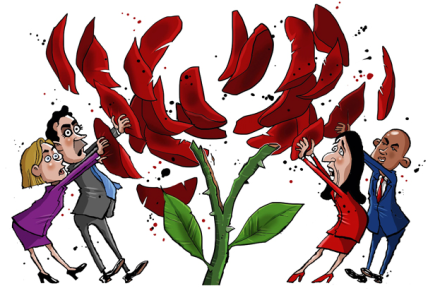
Labour must estrange its awful voters

And so now we have to suffer the epic delusions, temper tantrums and hissy fits of the metro-left. They simply cannot believe how you scumbags could have got it so wrong last Thursday, you morons. You vindictive, selfish morons. That has been the general response from all of the people, the liberal middle-class lefties, who have cheerfully contributed towards making the once great Labour party effectively unelectable. You lot voted Tory out of fear — because you are stupid, stupid people. The Conservatives ran a ‘negative’ campaign and, because you are either simply horrible human beings, or just thick, you fell for it.

Miliband’s downfall

Ed Miliband was writing his victory speech on election night when the nation’s broadcasters announced the exit poll. He remained convinced — as he had been all along — that he was destined for No.10. In his defence, most people in Westminster thought the same. But within his ranks, a rebellion had already broken out. At 2 p.m. that afternoon, a member of his shadow cabinet had resigned — fearing not defeat, but the debacle that would follow Miliband’s success. ‘I was being briefed by Ed’s team about their post-election plans,’ the shadow minister told me. ‘It was nuts. They were explaining how there would be “no concessions”, no “tacking towards the centre”, nothing.

Cameron’s great secret: he’s not a very good politician

This was a vital election. A Tory failure would have been an act of political treason. Five years ago, the UK was grovelling with the PIGS in the fiscal sty. Our public finances were in a deplorable state, the financial system was in crisis and growth had disappeared over the economic horizon. No one has paid enough tribute to Messrs Cameron and Osborne for the sang-froid they displayed in the face of such adversity, and for their success. Not only that: we have two long-term structural problems in this country, both of which Lady Thatcher sidestepped, both of which David Cameron tackled. The first is welfare. In its corrosion of morale, its sabotage of élan vital, our welfare system creates an underclass.

It’s Labour’s loss if they don’t take Ukip voters seriously

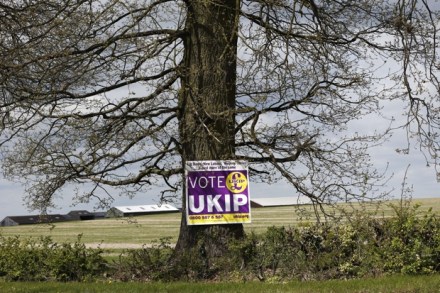
Almost four million people voted for Ukip on 7 May. That, in itself, is an astonishing achievement for a party which is a) newish and b) endured more vilification than even Ed Miliband had to put up with, from both the press and of course the BBC. It would be nice to think that at some point we will get over our obsession with the SNP and Nicola Sturgeon - and start taking Ukip as seriously as we do the Nats. Or, almost three times more seriously, if we wish to be properly democratic. Ukip was crucial to the Conservative victory, taking enormous numbers of votes from Labour supporters north of Watford. Labour seems determined not to take them seriously and simply to dismiss Ukip supporters as vile racists.

Tom Baldwin says BBC showed more bias against Labour than the Tories

Ed Miliband's spin doctor Tom Baldwin has been rather quiet since Labour's disastrous election night results. Now the former Times journalist has explained his radio silence in an article for the Guardian. He says he has been avoiding the news after the Tories had 'a win they did not fully expect or really deserve'. However, the appointment of John Whittingdale as culture secretary has caused him to resurface: 'But one story has finally made me stumble out of bed. The Tory newspapers have welcomed the appointment of John Whittingdale, an old Thatcherite, as culture secretary with gleeful headlines about the government “going to war” with the BBC.

What Labour must do is estrange its awful voters

And so now we have to suffer the epic delusions, temper tantrums and hissy fits of the metro-left. They simply cannot believe how you scumbags could have got it so wrong last Thursday, you morons. You vindictive, selfish morons. That has been the general response from all of the people, the liberal middle-class lefties, who have cheerfully contributed towards making the once-great Labour party effectively unelectable. You lot voted Tory out of fear — because you are stupid, stupid people. The Conservatives ran a ‘negative’ campaign and, because you are either simply horrible human beings, or just thick, you fell for it.

Labour lost the working-class vote a long time ago

What’s Labour's problem? Following its fantastic drubbing at the polls, the most common answer to that question is that the party has for too long ignored its traditional base: working-class voters. Among media Labourites in particular, those currently writing emotionally unhinged articles about how isolated they feel in this cruel new Britain — bless ’em — this has become the go-to excuse for Labour's rubbishness in recent years. Yes, there's the issue of Tory-backing Rupert Murdoch's stranglehold on people's mushy minds, they say, revealing their disdain for tabloid readers. And there's the apparently irresistible lure of the Tories' politics of fear, which they believe ensnared a dumb electorate, once again exposing their low view of the little people.

Jim Messina interview: how the pollsters got it wrong and why Labour lost

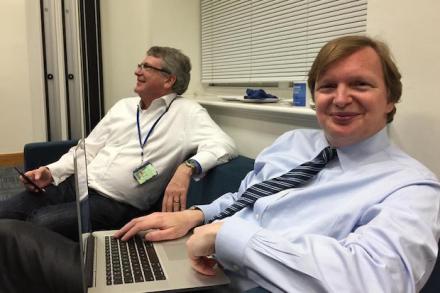
Jim Messina is the American elections guru who got the general election right. Hired by the Conservatives as a strategy adviser in 2013, the Tories hoped he would emulate Barack Obama's 2012 re-election strategy. And so he did. Whereas British pollsters consistently missed that the Tories were moving into pole position, Messina’s internal numbers showed for weeks they were on course to be the largest party. Speaking to The Spectator from Washington, D.C, he reveals that he was not at all surprised when the BBC exit poll showed the Tories were going to trounce Labour. ‘We predicted 312 seats that morning to Lynton [Crosby] and 316 was right in line with that, so it just kind of validated what we’d been seeing,’ he says.

Will Ed and David’s relationship put off potential Labour leaders?

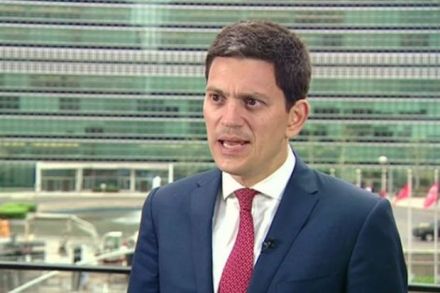
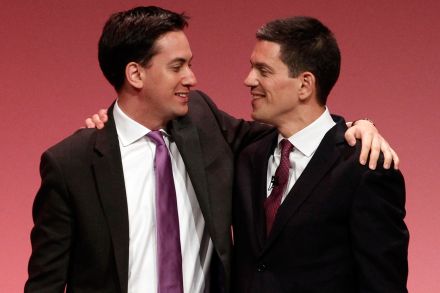
David Miliband has just given a brutal interview to BBC News in which he took a few more words to say ‘I told you so’ about the way his brother led the Labour party. Some of the worst lines were about their relationship, with David saying of Ed that ‘we remain in touch’, as someone might talk of a former colleague who they occasionally email, and that the two ‘remain brothers for life and that’s something that has to be kept’. It’s one step away from saying ‘you can choose your friends, but you can’t choose your family’. Politics aside, there is something horrible about watching the often beautiful relationship between siblings being trashed by both men.

The final 2015 general election results

All of the results of the 2015 general election are in and we have a result: the Conservatives have a major of 12 seats. Here is a breakdown of the results for each of the parties: [datawrapper chart="http://static.spectator.co.uk/PifSa/index.html"] And a few other figures you might find interesting: Turnout was 66.1 per cent, up from 65.1 per cent in 2010 19.4 per cent of MPs in the new parliament will be female, up from 15.

Labour leadership campaign: who might have a pop?

So there could be a Labour leadership contest coming up. Who might have a pop? Chuka Umunna: Some members of staff in Ed Miliband’s team had concluded Chuka Umunna was worth giving serious assistance to, having concluded that their current boss was a goner a while ago. The smooth Blairite Shadow Business Secretary has also been very good at charming colleagues in the party, taking time to have coffee with those who Miliband has ignored. He believes he has the support of the party’s New Labour wing, mostly represented by Progress. Andy Burnham: If Umunna has the Blairites sewn up, Burnham has the other side of the party. He has clearly positioned himself as a man of the left, a populist figure who sends the Labour conference to raptures.

As it happened: 2015 general election results

Welcome to The Spectator's live coverage of the 2015 general election results. We provided results and analysis overnight and throughout the day. You can read all the coverage below. Key points: David Cameron remains PM —He has won a majority and has visited Buckingham Palace for an audience with the Queen. The Conservatives have won 331 seats. In an exclusive revealed by The Spectator, Cameron told Conservative HQ staffers this morning that 'this is the sweetest victory of them all'. Nick Clegg, Ed Miliband and Nigel Farage have resigned as leaders of their parties. SNP has swept Scotland — The SNP now have 56 MPs in Scotland, while the Conservatives, Labour and Liberal Democrats each have one.

Coalitions of the willing

Whatever the result of the election, it has become clearer by the day that our ‘democracy’ is run by politicians not in the interests of the dêmos but of themselves. If the polls have been right, the most egregious example is even now unfolding before our eyes: the attempts to stitch up a coalition, which will have no manifesto and, since no one has voted for it, will take power without any electoral legitimacy whatsoever. Ancient Athenians would have been appalled. As far as Athenians were concerned, they ran the political show through their Assembly of all Athenian-born males over 18. It made all the decisions, and there was no one who was not accountable to it and it alone.

Portrait of the week | 7 May 2015

Home The country went to the polls. David Cameron, the Conservative leader, prepared by going around with his sleeves rolled up. Ed Miliband, the Labour leader, said that his pledges had been cut into an eight-foot slab of limestone. Nick Clegg, the Liberal Democrat leader, took a bus for John O’Groats. Stuart Gulliver, the chief executive of HSBC, said it would take ‘a few months, not years’ to decide whether to move its headquarters out of Britain. Sainsbury’s reported a loss of £72 million for the year, after writing down a fall in the value of some of its shops. Three tons of cocaine, worth perhaps £500 million, were recovered from a ship intercepted 100 miles east of Aberdeen; the nine Turkish crew were arrested.

Ed Miliband may soon be gone. But let’s remember what he got right

Most Conservatives I have spoken to in the last couple of hours are optimistic, hoping the prospect of RedEd in power has inspired a higher turnout amongst Tory voters. The Tories could still win, the polls could be as wrong as they were in 1992. But my concern is about the campaign. I hate to say that I think the Labour party fought the better one (not saying much, admittedly). Just as after the Scottish referendum I felt depressed that the unionists had relied so heavily on negativity, I find it depressing that the Tory campaign relied on anti-SNP sentiment. Yes, it has proved the most effective card they played - but let's not pretend that it was inspiring. Ed Miliband is utterly wrong on almost everything and his government would be a Hollande-style calamity.

Has Ed Miliband got something clever up his sleeve?

How will Ed Miliband manage tomorrow if Labour does end up the second largest party but with a viable ‘anti-Tory alliance’ in the House of Commons? The Tories are trying to craft a narrative that such a government would be illegitimate, and David Cameron will give a statement early on Friday. But there is a theory developing among some Tories who rate Miliband’s strategic skills that he could be about to produce his own clever game-changer too. He could be about to offer a significant devolution of powers to the regions, a huge transfer of power to Scotland and Wales, the elected Senate of the Nations and Regions that was promised in its manifesto as a replacement for the House of Lords, and electoral reform.