Cryptocurrencies

Are western governments actively facilitating money laundering?

On the outskirts of Fort Worth, Texas, there is a two-storey factory churning out a vast number of dollar bills every day for the United States Federal Reserve. When Oliver Bullough visited, he counted 129 pallets in one room, collectively containing more than $4 billion. He also watched a woman use a jack to casually shift another $64 million across the concrete floor. Yet he barely used cash on his visit to the Lone Star state, relying on credit cards and smartphone apps, apart from when tipping waiters. As he points out, this is increasingly typical: many fewer Americans or Brits are bothering with cash, and when they do it

Crypto keeps bouncing back

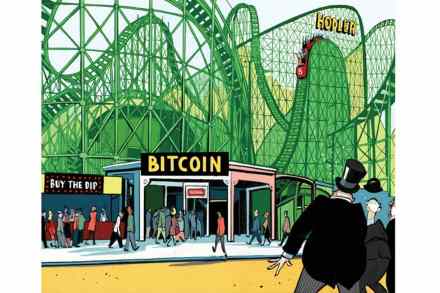
This time it was surely all over. As inflation started to rise towards a 40-year high, as central banks started raising interest rates for the first time in more than a decade, and as the monetary printing presses finally stopped running, the cryptocurrencies crashed.  What a crash it was. Bitcoin, the best-known crypto, fell all the way from $61,000 last November to less than $19,000 in June, a spectacular drop of more than two thirds. Ethereum, Solana and other, frailer ‘coins’ – as well as the even flimsier digital collectors’ items known as NFTs – all tanked. This appeared finally to confirm what the doubters had said all along. Cryptocurrencies

Crypto is dead

When Britain voted for Brexit, Macron boasted that Paris would eat the City of London’s lunch. It didn’t quite work out that way, with most league tables continuing to put London as the number one or two financial centre, with not a single EU city in the top ten. Emmanuel Macron’s government has now announced that it has invited Binance, a crypto exchange site, to set up a European HQ in Paris. You have to ask: has Macron leapt on a bandwagon which has already started to lose its wheels?  The warning sign for cryptocurrencies is not so much that they have crashed – Bitcoin is down 50 per cent from its peak last