Asia

Myanmar’s junta is lashing out

Myanmar’s junta has once again shown its true self: calculated, despicable, and violently unrestrained. Last night, warplanes dropped two 500-pound bombs onto a crowded hospital in Rakhine State. The blast tore through the building with surgical cruelty, sending glass and metal through wards where patients slept. Dozens were killed instantly; others bled out in the darkness as the hospital collapsed around them. Many of the victims were children and infants. This wasn’t a tragic misfire, nor a reaction to combat nearby. It was a targeted strike: planned, ordered, and executed in the dead of night. The generals in Naypyidaw chose their moment with perverse intent.
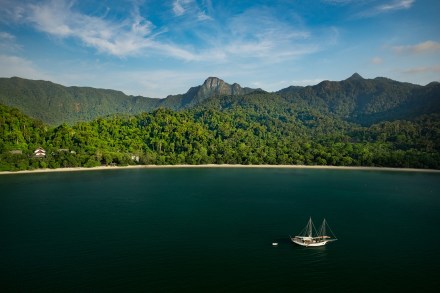
The world needs more copper, but there’s a catch

Copper has a nickname in the commodities market. It’s known as “Doctor Copper” because it’s so deeply integrated into the physical fabric of our lives and all the technology we depend on that its price reflects the health of the economy. “Gold is money, everything else is credit,” said J.P. Morgan more than a century ago. But copper is more than money. It’s modern human life. It is used in every corner of our technology, from houses to windfarms to warehouses. Which is why I think, while everyone’s still obsessing about gold, it’s worth taking a look at copper. Since the global financial crisis in 2008, stock markets may have reached new highs but the physical world of construction, infrastructure and manufacturing has never quite regained its old growth rate.

copper

A rare earths deal is China’s gift to Trump

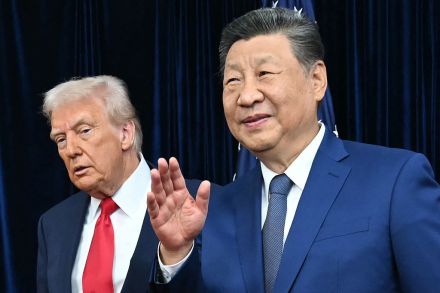
Donald Trump went nuclear. Before his meeting with Chinese leader Xi Jinping at an air base in South Korea, he ordered the Pentagon to test atomic weapons on an “equal basis” with China and Russia. Was Xi impressed? Probably not. While Russia expressed indignation, China did not permit itself to be distracted by Trump’s nuclear shenanigans. Instead, Beijing aimed to obtain economic concessions from a prideful Trump, which it did. From the outset, Xi sought to bring Trump down a peg, declaring that “both sides should consider the bigger picture and focus on the long-term benefits of cooperation, rather than falling into a vicious cycle of mutual retaliation.” Trump seems to have absorbed the lesson.

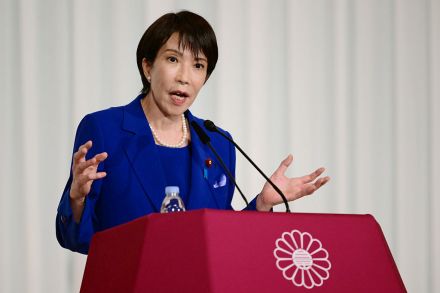
Introducing Japan’s own Iron Lady

Japan is still in many ways a traditionalist – not to say a sexist – society. But the times they are a changing, and the ruling Liberal Democratic Party (LDP) have just chosen Sanae Takaichi as its leader, which means that she will become the country’s first ever female Prime Minister, and it’s most stridently right-wing one. Takaichi, 64, revels in the nickname the "Iron Lady" and is a hardline patriotic right-winger who is an avowed admirer of the original Iron Lady - Britain’s Conservative Prime Minister Margaret Thatcher, who Takaichi has cited as her role model.

Takaichi

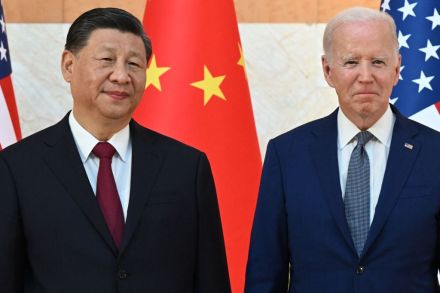
The Biden-Xi meeting was long overdue

The bilateral relationship between the United States and China is arguably the most important in the world today. The two countries make up approximately 42 percent of the world’s economic output and more than half of global military expenditure (at $801 billion, the US share of that total dwarfs China’s). The Biden administration’s recently released National Security Strategy names China as "the only competitor with both the intent to reshape the international order and, increasingly, the economic, diplomatic, military, and technological power to do it." The central objective from Washington’s standpoint is to compete vigorously with Beijing, prevent China from attaining hegemonic status in the Asia-Pacific, and ensure this competition doesn’t slide into conflict.

What Ukraine means for Asia

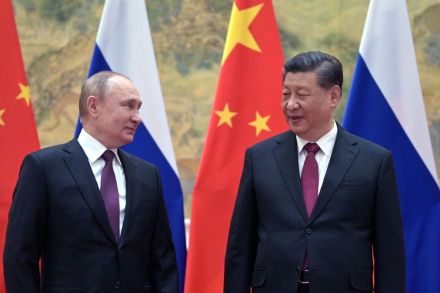
If Asia has entered the debate over the war in Ukraine, it is primarily through questions over the role China is purported to be playing in supporting Russia. Given the now-infamous declaration of a “partnership without limits” by Vladimir Putin and Xi Jinping during the Beijing Olympics just weeks before the invasion, many observers have searched for signs of Chinese aid, military or economic, to Russia in the conflict. The scope of devastation in Ukraine and the probable war crimes being committed by Russian troops understandably mean less attention has been paid to how the conflict might affect geopolitical stability in the Indo-Pacific region. The exception is Taiwan — there has been considerable speculation over the influence of Ukraine on Beijing’s calculations there.

asia

The US and India in a new world

The world’s center of gravity is shifting to the Indo-Pacific. The new global order will be shaped by developments in a sprawling region where interstate rivalries and tensions are sharpening geopolitical risks. Building a stable balance of power in the Indo-Pacific has become more important than ever, but China’s territorial and maritime revisionism, and its heavy-handed use of economic and military power, are causing instability and undercutting international norms. Against this background, the expanding strategic partnership between the world’s most powerful and most populous democracies — the United States and India — has become pivotal to equilibrium in the Indo-Pacific.

india