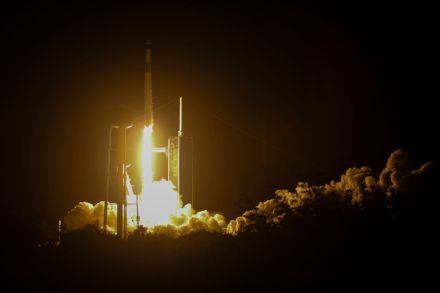
Artemis

Space travel, ancient Greek style

Apollo, Artemis, and Orion have not been named at random. The first two are brother and sister, and all three are known in myth as hunters – which is what the astronauts are. Ancient Greeks would have been very envious of them. The satirist Lucian (c. AD 125-180) had great fun with space travel. In his True History, he describes how he sets off with his companions to sail the Atlantic when suddenly a typhoon whirls them up to the Moon, but after many adventures he is able to return and describe what he saw. There are no women, but men act as wives. They produce children in the calf of the leg. The children are born dead but brought to life by breathing in the wind. Men then become husbands. Their noses run with honey and when they exercise, they sweat milk.
Why Artemis II matters

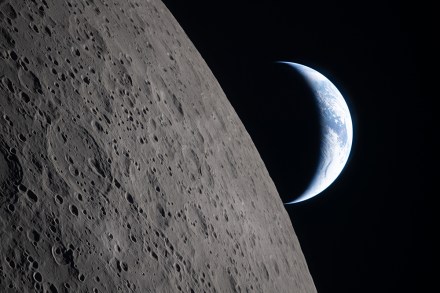
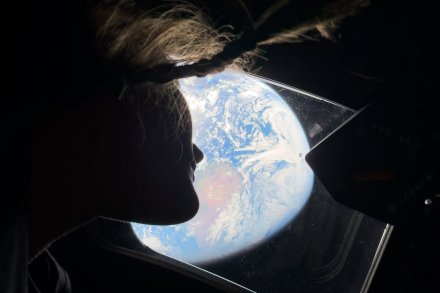
Weren’t those images beamed back from the Artemis II mission something to catch the breath in the throat? If something in you wasn’t stirred by the sight of Earth, glimpsed through the window of the space capsule past the silhouetted face of the astronaut Christina Koch, I don’t think you can be fully alive. And what about the thought that for the first time in history, human eyes will look directly on the dark side of the moon; or that the inhabitants of that spacecraft will travel farther from our home than any humans have ever done? That for a few tens of minutes before earthrise, they will be wholly out of contact with home as they travel through the vast dark? Stir the soul it might; but why, some will reasonably ask, should we be doing it at all?

What exactly is the new space race all about?

The recent spate of articles about attempts by different countries to land vehicles on the Moon make it clear that a new space race is on. Just last month, Russia launched its first mission there in forty-seven years. And although the automated Luna-25 spacecraft spun out of control and crashed at the last minute, India’s heavily-instrumented Chandrayaan-3 landed successfully just four days later. NASA itself aims to return humans to the lunar surface in 2025 with its Artemis program. Remarkably, more than eighty countries, including Israel and the United Arab Emirates, have thus far established some kind of presence in space.

space