20th-century history

Giles Milton retells the story of the Grand Alliance as a cinematic thriller

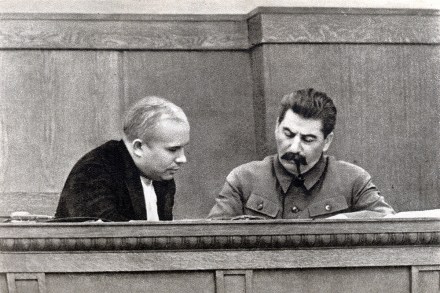
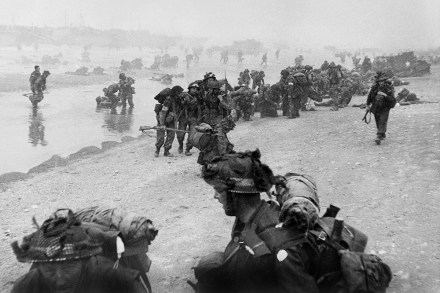
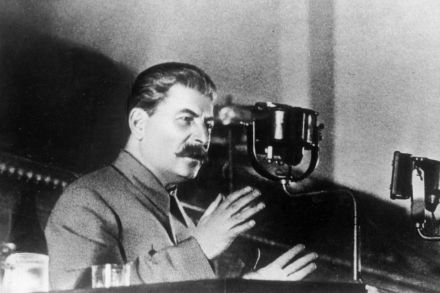
On June 22, 1941, the German army invaded the Soviet Union. Over the next four months, the Wehrmacht blasted through the Soviet defenses, taking millions prisoner and destroying thousands of tanks. By early December, German scouts were purportedly within site of the Kremlin. Even though the Wehrmacht was forced back from the gates of Moscow by the Red Army, the renewed German offensive in spring 1942 threatened to deliver the coup de grâce to the Soviet Union. That it didn’t was due to an unlikely alliance between British prime minister Winston Churchill, US president Franklin D. Roosevelt and Soviet dictator Joseph Stalin.

Alliance

Amsterdam explores friendship in a complicated world

David O. Russell is one of a small handful of directors whose involvement with a project is enough to get me to see it immediately. From the offbeat energy of Silver Linings Playbook to the tangled period drama of American Hustle, his films are tightly edited and always thick with talented actors. Amsterdam, his latest, is no exception. While it’s thematically fluffy and periodically tends toward the indulgent, it's never anything less than entertaining. There are far worse ways to spend a few hours, especially in the midst of a cinematic drought. Picking up in 1933, Amsterdam is the tale of two injured World War I veterans, slightly disreputable doctor Burt Berendson (Christian Bale) and successful attorney Harold Woodman (John David Washington).

Our enemy’s enemy

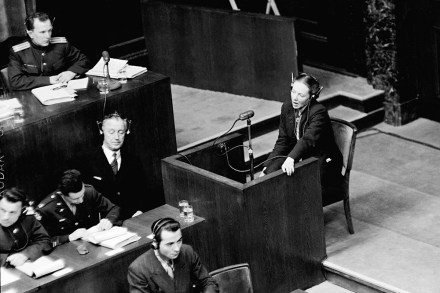
After Nazi Germany attacked the USSR, Winston Churchill had no qualms about entering into an alliance with Stalin, whose regime he understood all too well: “If Hitler invaded Hell, I would make at least a favorable reference to the Devil in the House of Commons.” Similar thinking does much to explain the enlistment of former (and not so former) Nazis by the Western allies in intelligence work against the Soviets after 1945. With the Red Army in the heart of Europe, co-opting suitably qualified veterans of the fallen Reich — some of whom had very dirty hands indeed — made some sense, according to that Churchillian logic, but mainly when those selected were anti-Communist and now aligned with a democratic Germany.

fugitives

Berlin has always been a Faustian metropolis

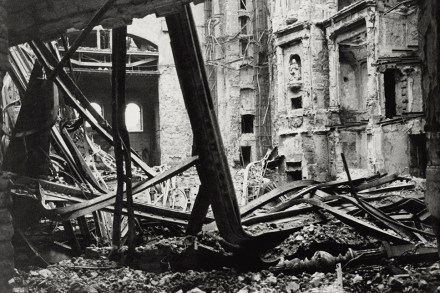
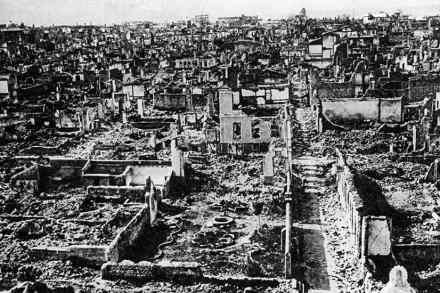
Each time I return to Berlin, the wonderful, awful city where I spent the best days of my misspent youth, I pay a sentimental visit to Grolmanstrasse, where my German grandparents used to live. There isn’t much left to look at. Their apartment block was destroyed in 1945 in the Battle of Berlin. The site where it stood is now occupied by a children’s playground. For me, that empty space seems to symbolize the way Berlin has changed — mainly for the better, but at enormous human cost. So much has vanished — not just the buildings, but also the people who inhabited them. For my children’s generation, Berlin is a party town. For me, it’s a city full of ghosts. It is these ghosts that keep bringing me back to Germany’s battered, bombastic capital.

berlin