18th century

Is this the missing link between Bach and Haydn?

Grade: B ‘Is that Haydn or Mozart? One can’t always be sure,’ remarks Kenneth Clark in the 18th-century episode of Civilisation, and there’s the British intelligentsia’s relationship with music, right there. Imagine saying that about any other art form, and still passing as a connoisseur. ‘Rembrandt or Poussin? Not much in it, really.’ ‘Michelangelo or Raphael? I can’t honestly tell.’ Don’t be like Kenneth. Brush up on your 18th-century idioms, and rediscover the qualities that make Mozart and Haydn so great – with regular dips into the also-rans of the classical era.

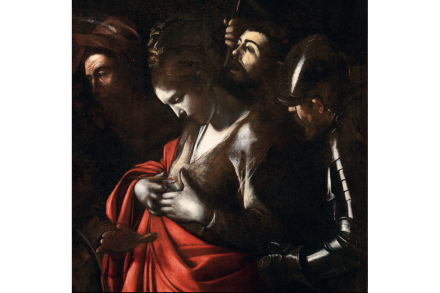
The tumultuous story behind Caravaggio’s last painting

For centuries no one knew who it was by or even what it was of. The picture that had hung unnoticed in a succession of noble palazzi in the Italian province of Salerno, with its deep chiaroscuro and close-cropped composition, looked like a Caravaggio – but after Caravaggio almost every painting in Naples did. When it entered the collection of the Banca Commerciale Italiana in 1973 it was attributed to Mattia Preti, a Calabrian Caravaggista of the next generation who had caught the tenebrist bug. But in 1980, a letter discovered in the Naples State Archive changed the picture. Written on 11 May 1610 by Lanfranco Massa – the Naples agent of the Genoese nobleman Marcantonio Doria – it explained a delay in the transportation of a painting of Saint Ursula to Genoa.

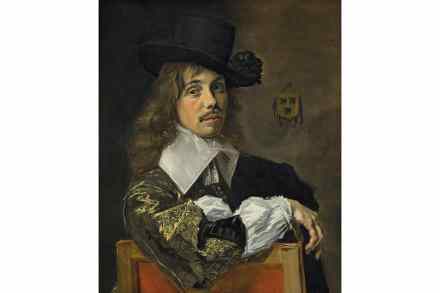
The genius of Frans Hals

Since art auctions were invented, they have served to hype artists’ prices. It can happen during an artist’s lifetime — Jeff Koons’s ‘Balloon Dog’ — or half a millennium after their death — Leonardo’s ‘Salvator Mundi’. And it can sometimes restore a lost reputation, as happened with Frans Hals. When the picture now famous as ‘The Laughing Cavalier’ came up for auction in Paris in 1865, Hals was all but forgotten. A successful portraitist in his lifetime, he never made much money — with a wife and at least ten children, he remained a renter throughout his career — and after his death his reputation, overshadowed by Rembrandt’s, was tarnished by claims that he was a piss artist.

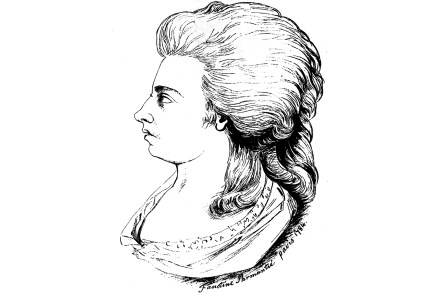
The forgotten female composer fêted by Mozart and Haydn

A few years ago, I was sitting in the London Library researching a book about blind people across the ages. As a semi-blind person myself, I sighed at the lack of women, other than the endlessly chipper Helen Keller, who never had a bad day. Ever. My sister, however, drew my attention to a two-line wiki entry for the 18th-century composer, singer and professor — and darling of the Viennese musical court — Maria Theresia von Paradis (1759–1824). Ten years passed, and after many hours of research in libraries and chats with music scholars, we now find ourselves — to our utter amazement — co-writing a chamber opera about her life.