Grade: B
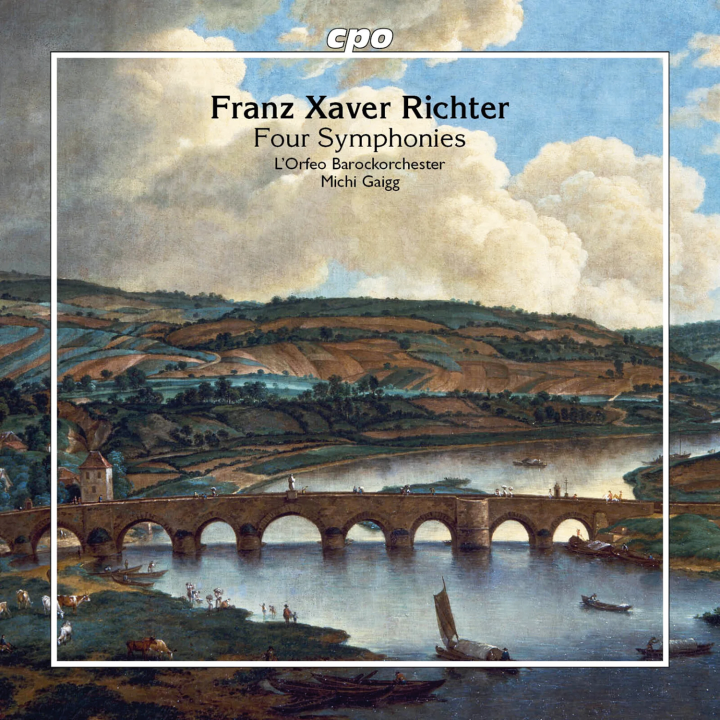
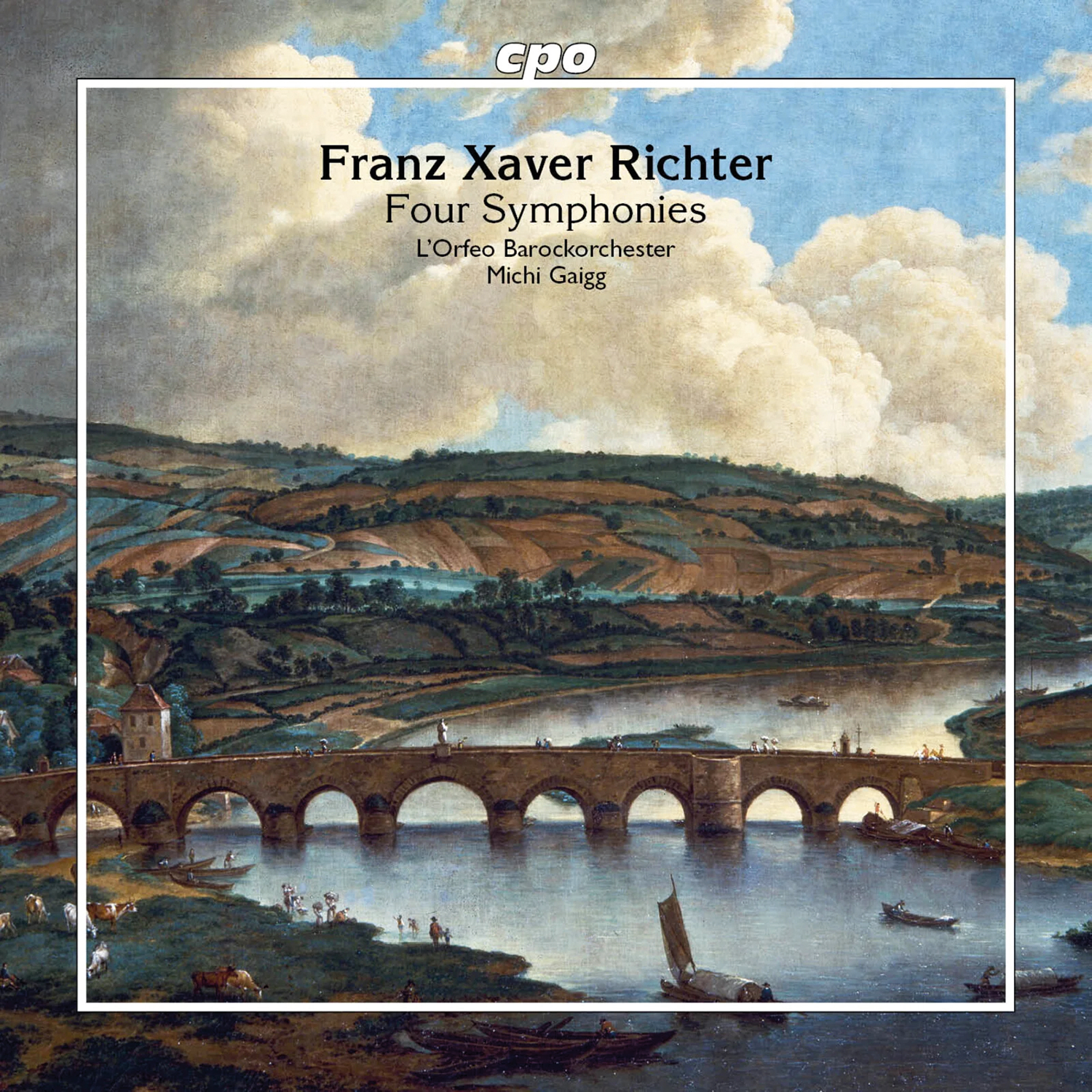
‘Is that Haydn or Mozart? One can’t always be sure,’ remarks Kenneth Clark in the 18th-century episode of Civilisation, and there’s the British intelligentsia’s relationship with music, right there. Imagine saying that about any other art form, and still passing as a connoisseur. ‘Rembrandt or Poussin? Not much in it, really.’ ‘Michelangelo or Raphael? I can’t honestly tell.’ Don’t be like Kenneth. Brush up on your 18th-century idioms, and rediscover the qualities that make Mozart and Haydn so great – with regular dips into the also-rans of the classical era. I’m talking Stamitz, Dittersdorf, Myslivecek; and indeed Franz Xaver Richter (1709-89), whose music Mozart found ‘charming’, and four of whose 80-odd symphonies feature on this new disc from the Linz-based L’Orfeo Barockorchester.
We’re dealing with the period 1740-60 here, and as symphonic form goes, Richter’s three-movement squibs are fairly rudimentary. But Richter worked at the court of Mannheim – the crucible of the modern orchestra – and there are sudden flashes of playful, passionate originality. At one point he splits his orchestra in two, and has each half playing in a different time signature (drolly, he dubs the result ‘La confusione’). Richter launches a fugal finale with braying hunting horns (even in an age of elegance, the forest was never far from the palace gate) and these period-instrument players are just earthy enough. Best of all, there’s the huge opening movement – a massive fugue, spliced with a driving allegro – of the Symphony in G minor. Baroque and classical styles collide and duke it out; is this the missing link between Bach and Haydn? Hardly, but it’s worth a listen.





Comments