Food and Drink

Malbec: a conundrum worth solving

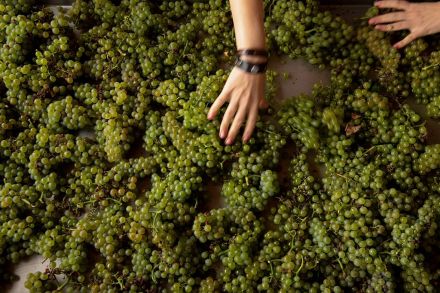
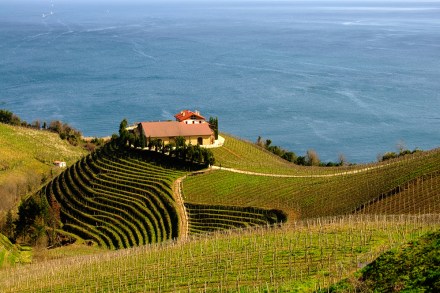
Malbec, observed Hugh Johnson, is a “conundrum.” Sometimes it is light in color as well as body. That’s what it tends to be like in the Loire, where the grape is called côt (apparently its original name). It used to be grown in Bordeaux, where it was used primarily as a sort of filler, rounding

The joy of spring greens

Many of us, if told we must live by foraging in the wild, would quickly go toes up – from fear, not malnourishment, like the birds in Ol’ Paul the Mighty Logger, who saw snowy white popcorn bits flurrying through the air as the giant Bunyan munched, figured winter was back, and promptly froze to

How different is Catholic and Protestant food at Easter?

I’m a New York-raised Italian Catholic, and my family’s inherited religious-cultural neuroses inform our meals every bit as much as the WASPs next door. This is particularly true at Easter, where centuries of European immigration have shaped the culinary traditions in New York. The Easter feast became a religiously sanctioned opportunity to indulge For my

Why is the wine industry dying?

Most wine columns resemble recipes from Larousse Gastronomique or Mastering the Art of French Cooking in this way: they have happy endings. This column, alas, proceeds with a melancholy burden. The world of wine, it pains me to report, is in the doldrums. Is it because of a new infestation of phylloxera, the blight that

The glorious versatility of Dijon mustard

Not just salami, air conditioning and dental fillings: among their many contributions to civilization, the Romans also gave us Dijon mustard. Somewhere about the 4th century, it seems, the vinegar makers of Dijon were granted the right to use the exclusive mustard recipe composed by Palladius, son of Exuperantius, Prefect of the Gauls (or so

The growing appetite for brisket

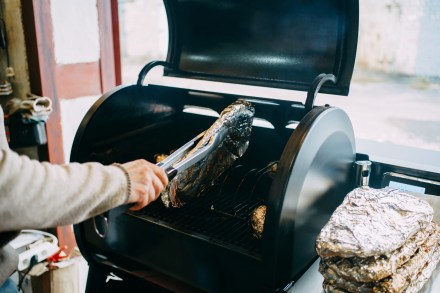
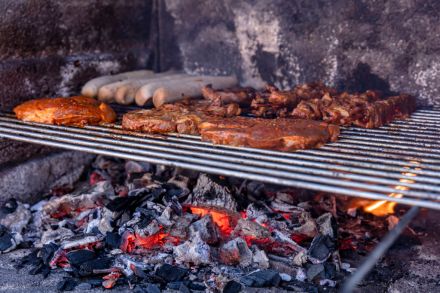
When I first became enamored with barbecue in the 1990s, I ate a lot of chopped pork at Carolina barbecue joints, and sometimes chicken and ribs. One thing I almost never encountered was beef, especially slow-smoked brisket. That barbecue cut remained mostly a Texas thing until well into the 21st century. A few pioneers did

brisket

Jeffrey Epstein had the diet of a sick man

Comb through Jeffrey Epstein’s emails and you find frequent correspondence with his private chef Francis Derby about “beef jerky.” Online sleuths have speculated that it is a code word for something more sinister. We know Epstein was a sexual predator, but what if he literally preyed on human flesh? After all, Derby cooked at a

epstein

Jeffrey Epstein’s testosterone problem

Jeffrey Epstein was a sick man. That’s hardly news. But a new dimension has been added to our understanding of him by the latest batch of files released by the Department of Justice. Physically, not just mentally and morally, Jeffrey Epstein was very, very unwell. For the better part of a decade, despite having billions

Americans have perfected the art of countertop cuisine

There are many reasons to admire America, and also a few reasons to disapprove. On the plus side there is free speech, the right to protect oneself, a relatively dynamic economy and 198 versions of beef jerky. On the downside, an inconsistent attitude to turning right at lights, too much fructose and the possibility of

Criminal gangs have developed a taste for snails and seafood

It was a dark night in November that the criminals stole softly upon the sleeping snails. They snipped away the fencing, pried open the door with a crowbar and knocked out the security lights. Then, they advanced upon their victims, who were lying, defenseless, in cold storage. No use for the snails to flee; heliciculturists

snails

Dining out in Mysore

Long before “decolonization” was a glint in the eyes of left-leaning political scientists, Hyder Ali, an upstart mercenary soldier turned sultan of Mysore, and his nepo baby son, Tipu Sultan, fought four bloody wars to keep the British from controlling the south of India. If wars were like soccer league tables, the Hyder/Tipu team would

My new discoveries from South Africa

When I heard that Minnesota Representative Ilhan Omar had gotten into the wine biz, I thought “Hot dog! If she is as good at wine as she is at investing, this should be spectacular.” I mean, talk about creatio ex nihilo. Just a few years ago, Omar had a net worth of about $1,000. Now

Loser’s: the campy and ironic bakery making made-to-order cakes

Going downtown in New York used to be cool. Before Soho became a glorified shopping mall, it was a haven for starving artists. Before Chelsea became family-friendly, Michael Alig was throwing Blood Feast parties at the Limelight. The rebel heart of downtown, which attracted generations of avant-garde creatives, is much harder to find today. All

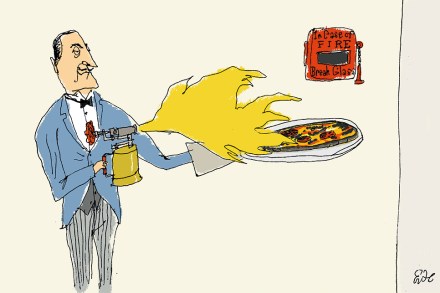
Hunting for the Pizza Hut of my youth

About 15 miles off the I-80, tucked away in the Cleveland suburb of Warren, you’ll find a delightful bit of yesteryear, preserved from the 1970s and serving up your childhood dreams. Here you’ll find a Pizza Hut that forgot to evolve into a quick counter-service and delivery outpost like almost all the others. I had

The vast landscape of American barbecue

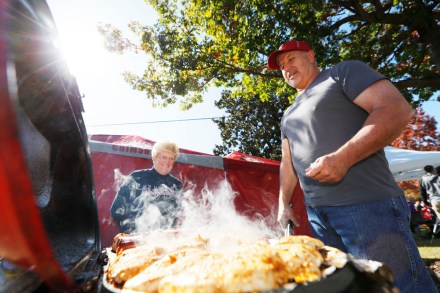
Some 25 years ago, I walked into the University of South Carolina library to check out a book on the history of barbecue. I had just finished a PhD in American literature, but had become more interested in culinary history. I had also taken to driving the state’s backroads, seeking out old-school barbecue restaurants. Researching

The mindfulness behind the cooking of Buddhist nun Jeong Kwan

I am somewhat allergic to food nomenclature: zero-waste, plant-based, seasonal, small plates, “live cultures,” foraged, farm-to-fork. It’s not that these are inherently off-putting concepts, but I associate them with “foodie” fads, gimmicks and big egos. All of those trendy labels could apply to the food cooked by the “philosopher chef,” a Buddhist nun called Venerable

The proof is in the glass

Here we are at the beginning of a new year. Since I don’t have any childcare “learing centers” to offer my readers, I thought, the weather being frigid here in the northeast, I would reach out with the warmth of – no, not “collectivism,” to which I am allergic – but of some recent discoveries

How I lost 50lbs eating at McDonald’s

Eating regularly at McDonald’s over the past nine months, I have managed to lose 50lbs and ten inches off my waist, and I’m still counting. Yes, you read that correctly. Like many Americans, I have been trying to lose weight to no avail. I completely changed my diet, eating only vegetables, apples and microwavable, low-calorie,

‘Corporate agriculture’ is wrong about cows and methane

In the 1960s, scientists discovered that halogenated compounds such as chloroform and bromochloromethane could inhibit methane-generating microorganisms, also known as methanogens. This was important because agricultural scientists were trying to make livestock farming more efficient. Ruminants (cows, sheep, goats, deer, giraffes) produce the gas methane when they digest plant matter. Scientists reckoned between 2 and