


Here we are at the beginning of a new year. Since I don’t have any childcare “learing centers” to offer my readers, I thought, the weather being frigid here in the northeast, I would reach out with the warmth of – no, not “collectivism,” to which I am allergic – but of some recent discoveries in the world of wine. Much cheaper, believe me, and much more palatable.
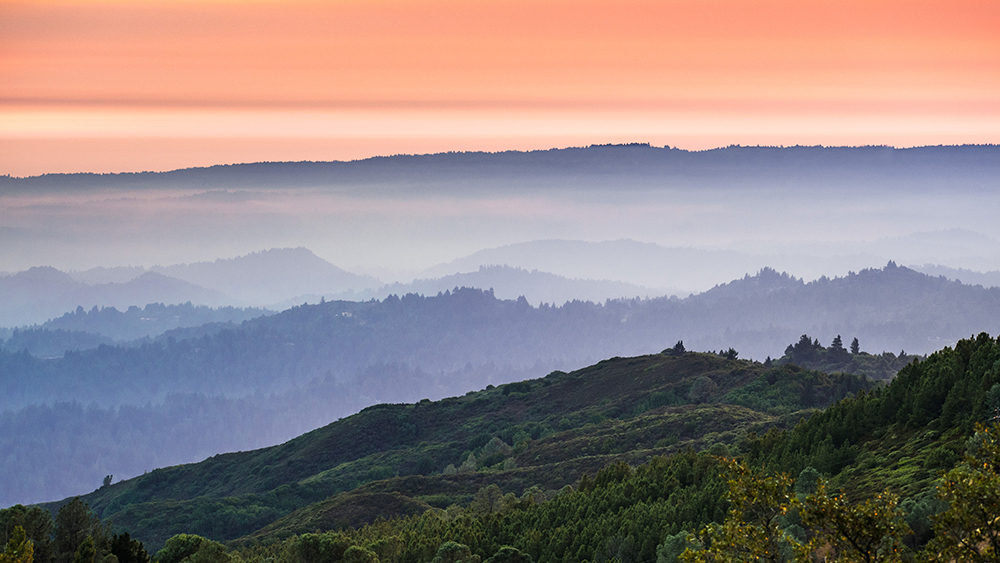
It is only fairly recently that the Santa Cruz Mountains have come into their own as a California wine-producing region. I was deeply impressed by the 2021 Estate chardonnay from Rhys Vineyards. Sourced from three spots in the mountains, with elevations ranging from about 700 to 1,400 feet on a variety of soil types, this chardonnay is exceptionally well-structured. Aged 12 months in 15 percent-new French oak barrels and six months in stainless steel, the wine clocks in at a moderate 12 percent alcohol. It is complex but refreshing in the mouth, full-fruited but with none of the blowsiness that mars so many California chardonnays. Reviewers remark on the citrus and vanilla notes, but what impressed me was the frank, open-armed elegance – taut but rich – of the wine. There is something almost regal in its long, delicately sumptuous finish. You should be able to get a bottle for about $40, but you will want to pick up a case. You can thank me later.
Another recent California discovery was the Preston Farm and Winery up in Dry Creek Valley, Sonoma. It’s a mellow 125-acre family-owned estate on which the farm gets nearly equal billing with the winery. Olive oil? Check. Whole grain breads? Of course. Pickles and other produce? You betcha. Lou and Susan Preston have been tending the property for more than 40 years. They make a few hundred cases of several varietals and were, I believe, first known for their zinfandel, which I have not tasted. But thanks to a friend, I did recently sample their 2021 Dry Creek Valley grenache and their 2022 Carignane (an alternate spelling of “carignan”), both around $35 to $40.

I would wager you’ve had lots of grenache, probably mostly from France and Spain. The 2021 Preston grenache vintage was sunnier, less tannic, less bold than the 2023 (which features a dollop of other varietals). This was an agreeable, friendly wine, outside and inside. I liked the color drawing of a wild strawberry on the label and the cute image of a lamb stamped on the top of the cork. The carignan(e) also featured the lamb but had a drawing of a ceanothus, also known as “California lilac,” on the label. I mention these incidentals because they are of a piece with the homey, welcoming, family-like nature of the wine.
Carignan is a high-yielding, late-ripening grape that requires lots of warmth to achieve its full potential. Hailing originally from Spain, it is usually part of a blend that stars some other grape – grenache or syrah or mourvèdre, for example. Indeed, I am not sure I have ever had a wine that was 100 percent carignan before. The Prestons have done lovely things with this often-underrated grape. Their website reports that the parcel from which the 80-year-old carignan vines come “is truly a gem of the entire Preston Vineyard.” “With regard to winemaking,” they write,
the wine is hardly made at all: the real work has already been done by the vines over most of the last century, their roots digging ever deeper in communion with the alluvial bench they stand on. Whole bunches of grapes are crushed by foot in a large open-top fermenter, and after a few weeks we drain the wine off to neutral barrels, where it ages for a year or so before bottling.
The proof is in the pudding – or rather, the glass. I count my discovery of these food-friendly, undemanding but subtly structured wines one of the quiet triumphs of last year.
The last recent discovery I’d like to share with you comes from the Willamette Valley in Oregon, home to some of the best pinot noirs made in America. I have had many pinots from Willamette Valley, but somehow had never stumbled on the Belle Pente winery. The name means “beautiful slope,” the slope being in the Yamhill-Carlton AVA, in McMinnville, in the northern Willamette Valley, which is home to some 50 wineries.
Belle Pente makes a bunch of white wines – pinot gris, gewürztraminer, chardonnay, for example – but they seem to specialize in pinot noir. I had the 2022 Willamette Valley blend, a pleasant, well-balanced offering from several vineyards. The winery says that “wild strawberry, red cherry and cranberry take center stage, layered with rose petals, black tea and a hint of damp earth.” OK. That’s close enough for government work. The two main things are: 1) it is eminently potable and 2) it is only $30 a bottle. Actually, there is a third thing to mention: Belle Pente has several other pinots, including some estate reserve bottlings that I look forward to trying. Anyway, the winery was another find of 2025 and I am pleased to present it to you for your delectation.
This article was originally published in The Spectator’s January 19, 2026 World edition.





Comments