Books & Arts

Books and Arts

This month in culture: September 2024

Slow Horses, season 4 Apple TV+, September 4 Apple TV+’s adaptations of Mick Herron’s excellent espionage novels, led by Gary Oldman on magnificent form as the belching, flatulent, brilliant Jackson Lamb, have quietly become the streaming service’s MVP, and their strong showing in this year’s Emmy nominations has reinforced the company’s continued faith in the unmissable series. This fourth installment, based on Herron’s novel Spook Street, guest stars the ever-excellent Hugo Weaving as a mysterious interloper with a close personal connection to Jack Lowden’s bratty Bond-in-training River Cartwright. Expect the usual mixture of big laughs, shocking twists and high-octane action scenes.
Culture
Sylvester

The life of David Sylvester

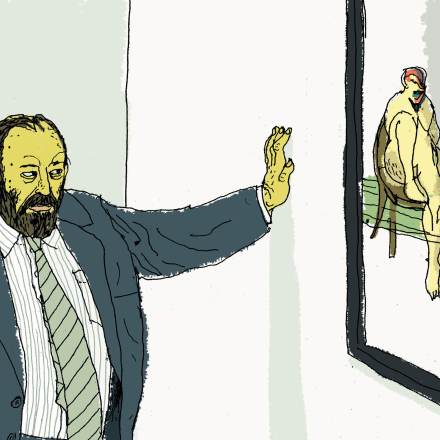
It’s 1960, and the clock has struck seven in the morning on Manhattan Island. A car weaves through the clamorous city as the morning sun settles. In the front seat are the Canadian-American painter Philip Guston and the British art critic David Sylvester; the pair have just enjoyed a sobering Chinese meal after a long night of drinking with Willem de Kooning and Franz Kline, which called for the digestif of a drive. It has been an epochal night for Sylvester; he just doesn’t know it yet. In 1996, Sylvester, who would have turned 100 this year, wrote his essay “Curriculum Vitae” later reproduced in his acclaimed About Modern Art: Critical Essays 1948-2000.

In the studio with Merche Gaspar

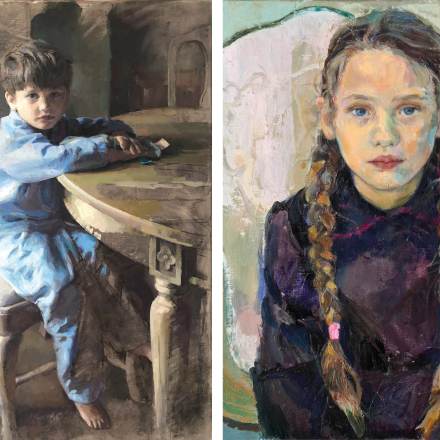
I was sitting cross-legged on the floor of artist Merche Gaspar Caro’s studio in Barcelona on a rainy Monday morning when I asked myself, “Why isn’t this artist better known?” We had met by chance some months earlier, when I passed by the Galeria Subex, which at the time was hosting a show of her recent work. I was initially drawn in by the exhibition poster, which displayed a stunning image of a young woman wearing a dark-blue dress and a white apron. Once inside the gallery, I was enthralled by canvases of mothers and daughters, drawings of birds and paintings of children playing or curled up in bed reading stories. Many featured a wonderfully cool, contemporary palette of mauve, gray and sapphire.

Thynne

Jane Thynne pulls off a new kind of spy novel

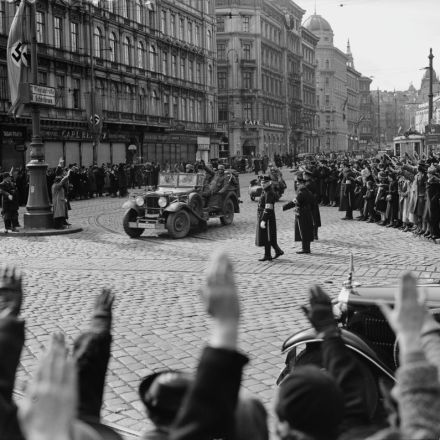
To some, the female sex might seem ideally suited to spying, and as their exploits in the Special Operations Executive showed, women on both sides of the Atlantic could certainly match men in courage and daring during World War Two. Yet espionage fiction has tended to be a male preserve. Jane Thynne is one of the handful of women novelists to have absorbed the lessons of John le Carré: a spy novel can also be a love story, a quest for institutional integrity and an exploration of inconvenient truths. The female perspective on all this, unsurprisingly, turns out to be worth having. Set in 1938, Midnight in Vienna introduces us to poor, thirtyish, Oxford-educated Stella Fry.

Creation Lake is one of the best books of the year

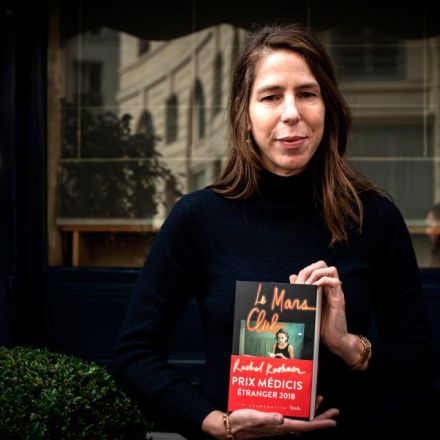
Rachel Kushner’s ambitious, intelligent and gripping latest novel, Creation Lake, concerns the eternal human capacity for delusion, while wondering whether utopian ideals can ever be realized without serious compromise. And it manages all this within the form of an expertly slick thriller, set against the backdrop of contemporary rural France, its history, politics and class system, all carefully woven in alongside an account of the rise and fall of the Neanderthals. Sadie, the first-person narrator, used to work as an undercover intelligence agent in the United States; she was discharged after entrapping a young man who was engaged in animal activism.

Kushner
Leith

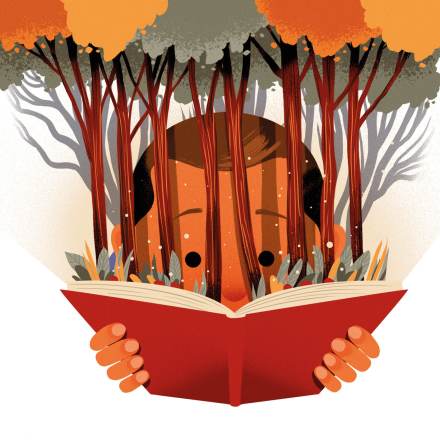
Examining children’s literature and its enduring worth

My first reaction, on tipping this vast compendium — soaring toward 600 pages — out of its padded bag onto the kitchen table, was straightforward envy at the thought of anyone being paid what, you infer, was quite a reasonable sum of money to spend several years on the intoxicating trail of the children’s book. My second was intense curiosity over the procedural approach employed, which is to say that there are a variety of well-worn pathways into the heart of the genre; it would be fascinating to see which ones Leith, the literary editor of The Spectator in the UK, had chosen to follow. The first path, exemplified by Francis Spufford’s 2002 The Child that Books Built, involves writing a memoir that broadens out into a consideration of the form as a whole.

The peculiar appeal of ‘sad-girl literature’

A stack of books balances on a fluffy white Michael Aram bedspread: Ottessa Moshfegh’s My Year of Rest and Relaxation, Lisa Taddeo’s Animal, Candice Carty-Williams’s Queenie and Lily King’s Writers & Lovers all touted as “sad-girl lit-fic book recs.” Lana Del Rey’s lugubrious melodies play on repeat; “I’m pretty when I cry” and “baby blues / baby blues,” in particular, are favored lyrics. This is a specific quarter of TikTok (or BookTok), the lachrymose world of “sad-girl lit.

sad-girl
Alliance

Giles Milton retells the story of the Grand Alliance as a cinematic thriller

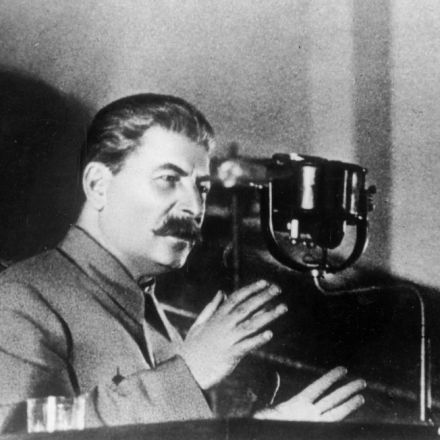
On June 22, 1941, the German army invaded the Soviet Union. Over the next four months, the Wehrmacht blasted through the Soviet defenses, taking millions prisoner and destroying thousands of tanks. By early December, German scouts were purportedly within site of the Kremlin. Even though the Wehrmacht was forced back from the gates of Moscow by the Red Army, the renewed German offensive in spring 1942 threatened to deliver the coup de grâce to the Soviet Union. That it didn’t was due to an unlikely alliance between British prime minister Winston Churchill, US president Franklin D. Roosevelt and Soviet dictator Joseph Stalin.

Twenty years on from Jonathan Strange & Mr. Norrell

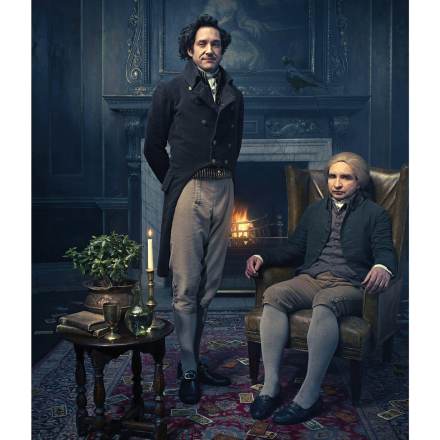
"Some years ago there was in the city of York a society of magicians. They met upon the third Wednesday of every month and read each other long, dull papers upon the history of English magic.” So begins Susanna Clarke’s modern masterpiece Jonathan Strange & Mr. Norrell, first published two decades ago and now regarded, rightly, as the greatest work of British fantasy literature since the Gormenghast novels. Revolving around two indelible characters — the fussy, pedantic “practical magician” Gilbert Norrell and the swashbuckling, Byronic Jonathan Strange — it has an epic sweep and dares to take the existence of magic, and magicians, wholly seriously, giving its oft-maligned genre an intellectual and emotional heft that few other comparable books possess.

Clarke