Books & Arts

Books and Arts

The divine Dalí and his ‘Christ’

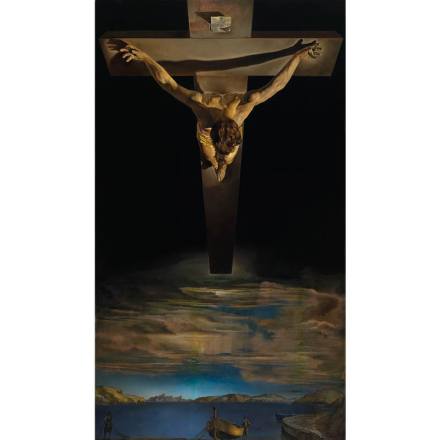
I arrived in the city of Figueres early one January morning to visit one of the most popular, and bizarre, art museums in the world, the Teatre-Museu Gala Salvador Dalí. It houses a dreamlike picture that, for the first time since it left over seventy years ago, has made a temporary return journey to Spain. Originally simply titled “The Christ,” the 1951 canvas depicting the giant figure of a man on a cross, shown at an overhead angle hovering over a moody seascape, was painted by the most famous son of Figueres, Salvador Dalí. Through April 30, it forms the centerpiece of a show exploring its creation, history, local connections and symbolism.
Dalí
theater

Spring’s hottest theatrical openings on Broadway

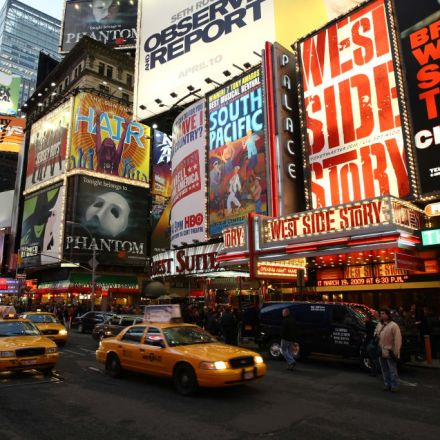
Since closing its doors during the pandemic in 2020, Broadway has struggled. The Phantom of the Opera lowered the curtain in April last year after more than thirty-five years. Andrew Lloyd Webber’s new musical, Bad Cinderella, shut in June, less than three months after it opened, and other musicals, such as the tortuously-named Britney Spears-inspired Once Upon a One More Time, have fared little better. Meanwhile, productions are still scrambling to get butts on seats: audience numbers are down 17 percent from their pre-pandemic highs. And yet, for theater aficionados, there is hope.

Dita Von Teese, the once and forever burlesque star

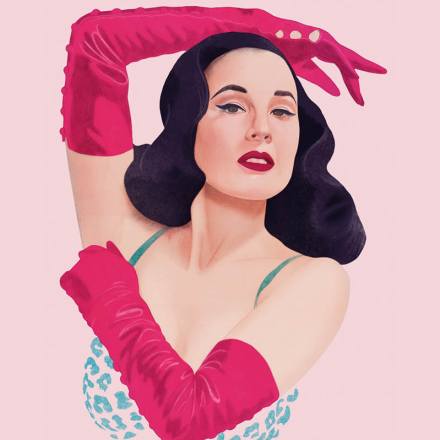
She’s the Glamonatrix who looks equally as comfortable luxuriating in a Champagne glass, emerging from a giant shell, perched upon a cake or astride an oversized lipstick bullet. She’s the Rhinestone Cowgirl, the Bird of Paradise, the star of Strip, Strip, Hooray! and Dita’s Crazy Show. She’s a star. In contrast to OnlyFans influencers, Dita Von Teese comes from an older, spectacular style of tease, and at fifty-one, remains the world’s best-known burlesque dancer. She’s the most famous striptease showgirl since Gypsy Rose Lee and perhaps the world’s leading erotic celebrity. She’s come a long way since she was simply a Michigan-born girl named Heather Sweet.

von Teese
Whedon

The loss of Joss Whedon

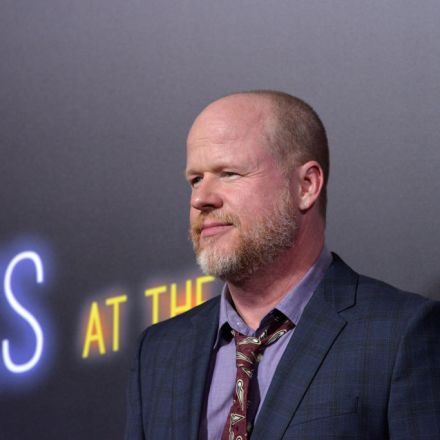
Cheerleaders save the world. Vampires gain souls. Ellen Ripley comes back to life as a half-alien. In the case of Willow Rosenberg, Buffy the Vampire Slayer’s geeky, lesbian BFF, she’s a good witch one year, Southern California’s equivalent of the Wicked Witch of the West the next, and only a year later, the key to stopping an apocalypse. One season, you’re good; the next, you’re bad; then, finally, you’re the savior. This is the world Joss Whedon envisions across six television shows (Buffy the Vampire Slayer, Angel, Firefly, Dollhouse, Marvel’s Agents of S.H.I.E.L.D.

Edward Zwick on his hits — and his misses

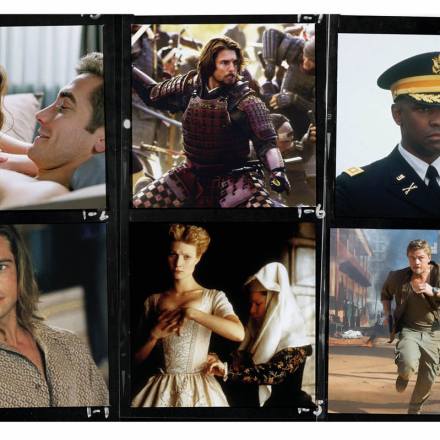
It is both disappointing and unsurprising that A-list filmmakers don’t use social media more often. Disappointing, because the opportunity to share candid insights into their craft would be of enormous interest to those who have watched, and often loved, their films; unsurprising, because the vast majority of these men and women wish to make more pictures in the future, and know that the chances of excommunication for excessive candor do not justify entertaining the curious and prurient with some well-chosen putdowns of actors, producers and other creatures of ego.

zwick
Cavendish

The wit and wisdom of Margaret Cavendish

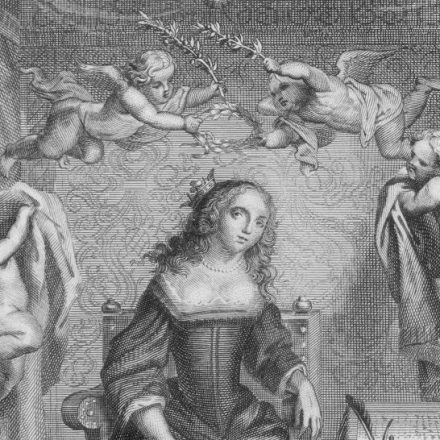
Margaret Cavendish, Duchess of Newcastle, who died aged fifty in 1673, was a divisive character whose life spanned one of the most fraught periods of English history. To some contemporaries, she was one of the wonders of the age, while others considered her one of the silliest writers ever to have taken up a pen. In her last two decades, Cavendish published over a dozen works of drama, philosophy and poetry, including what some consider her masterpiece, The Blazing World. Posterity has seen her obscured and dismissed, the fame she admitted craving granted only in 1929, when Virginia Woolf described Cavendish in A Room of One’s Own as “a giant cucumber” who “frittered her time away, scribbling nonsense and plunging ever deeper into obscurity.

The frustrating rise of celebrities ‘writing’ children’s books

When you are next visiting a bookstore, and find your way to the children’s section, you might be forgiven for thinking that there is no longer such a thing as a children’s author. Instead, you will be ambushed by piles of books blazoned with the names of actors, singers, comedians, DJs and people who generously exhibit themselves on social media. “Writing” a children’s book has become another string to the celebrity bow. Imagine the scene. You’ve married a prince, and opened a shop that sells vaginal eggs. What more is there to do? A-ha, thinks the celebrity, perhaps while she is sitting on a bench. All those untutored minds, eager for moi! My personal brand will bring them such joy, such self-worth! They will all feel seen!

chidren's
rutland

War hero, bon viveur, Japanese spy: Frederick Rutland wore many masks

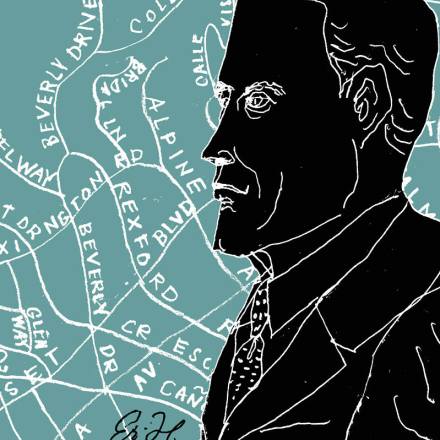
It is early in the morning on the “day of infamy,” Sunday, December 7, 1941. Two hundred and fifty miles north of Hawaii, six Japanese aircraft carriers are preparing to launch more than 350 aircraft in a surprise attack on the United States Pacific Fleet at Pearl Harbor. The fleet’s commander-in-chief, Admiral Husband E. Kimmel, had told a reporter the day before that the Japanese would be “damned fools” to attack the United States, ignoring the warnings that war was imminent. Around 7:30 a.m., the lead Japanese pilot fires a single flare, giving the pilots the “final go” signal. “Within an hour... the US Pacific Fleet was in ruins.” The American public, writes espionage historian Ronald Drabkin in Beverly Hills Spy, quite rightly demanded: “Whose fault was it?

Coleman Hughes’s case for a colorblind future

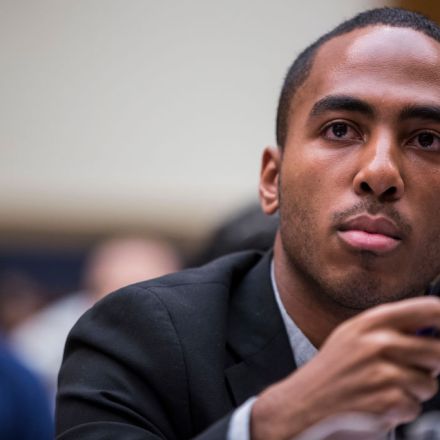
Claudine Gay would have you believe that her resignation as president of Harvard University was because of her identity. The scandal, in her and her allies’ eyes, was that — as she wrote in a New York Times op-ed — she was “a Black woman selected to lead a storied institution.” Never mind that her allies wouldn’t say the same if black academics they don’t like, like Thomas Sowell or John McWhorter, were involved in a similar scandal; their lens is always a racial one. But the colorblind response would throw all this aside.

hughes
biden ward

Who’s really behind the Biden administration’s foreign policy?

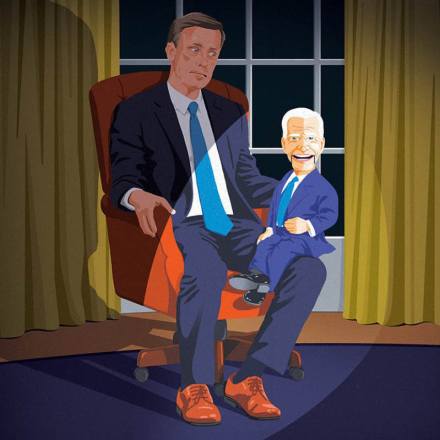
If you’re one of the many people worried that US foreign policy is in the hands of a visibly declining eighty-one year-old president, Alexander Ward’s account of the Biden administration’s first two years in office may — or may not — make you feel better, for he leaves readers with little doubt as to who is actually the executive branch’s most influential decision-maker: forty-seven year-old national security advisor Jake Sullivan. Ward might deny any such authorial intent, but time and again he shows his hand, as when he invokes “Sullivan’s first two years at the helm alongside Biden.