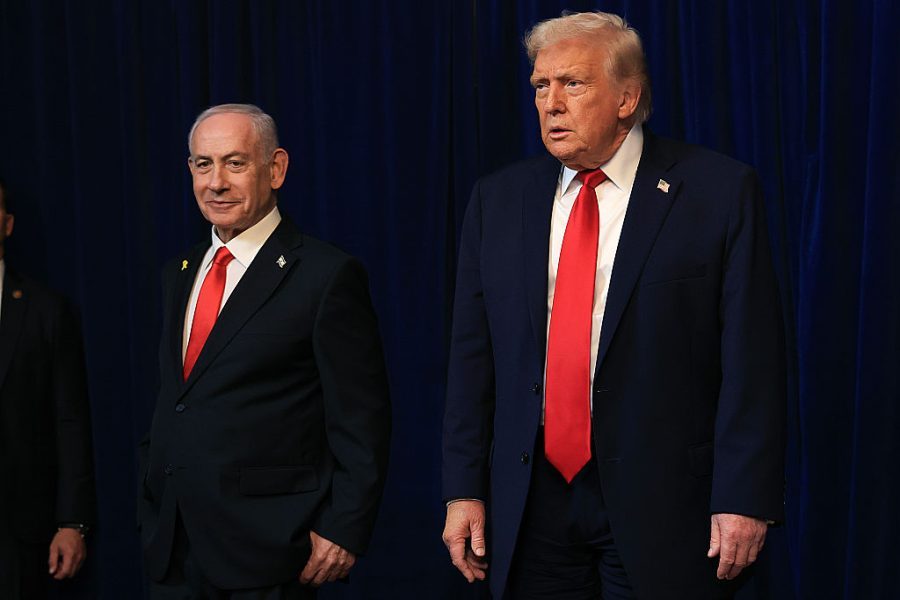
As Americans went to the polls yesterday, Donald Trump joked about moving to Israel. ‘My approval rating in Israel is 99 per cent,’ he told Fox News. ‘If people in the United States get fed up with me, I’ll move to Israel and become prime minister.’ The American president may have been exaggerating but the Trump currency does still hold weight in the country even as its value diminishes in the US.
Looking at the midterm results, Trump’s support for Israel and his close relationship with Prime Minister Benjamin Netanyahu have now come with a cost to his Republican party. Many Israelis feel this loss too, aware that their country was on the ballot in this set of American elections more than with any other before. Reacting to the news that the US had elected its first ever Muslim senator, Michigan’s Abdul El-Sayed, voices across Israeli media warned that it was now clear that ‘opposition to Israel is no barrier’ in American politics.
In a sign of how complicated the relationship has become, Trump made the announcement – unusually on the morning of the midterm elections – that he had agreed with Netanyahu to end the $4 billion (£3 billion) in US aid that Israel receives by the end of the year. The short-term political benefit to Trump was clear: placate Republicans who are instinctively pro-Israel but sceptical about endless overseas funding going to the Middle East.
There are voices in Israel worried about the future consequences of ending American military aid
Though he may not have had a choice, for Netanyahu the political benefit is less clear. This is precisely why many in the Israeli political establishment have demanded answers. One such voice was Yoram Dori, a former adviser to Israeli president Shimon Peres. ‘American military assistance is not some generous Christmas present that Israel can politely decline,’ he wrote in the Jerusalem Post, ‘it is a central pillar of Israel’s national security and military planning.’
There are also voices there already worried about the future consequences of ending American military aid. They see it as a slippery slope from stopping aid to imposing sanctions. Not immediate, but a future threat.
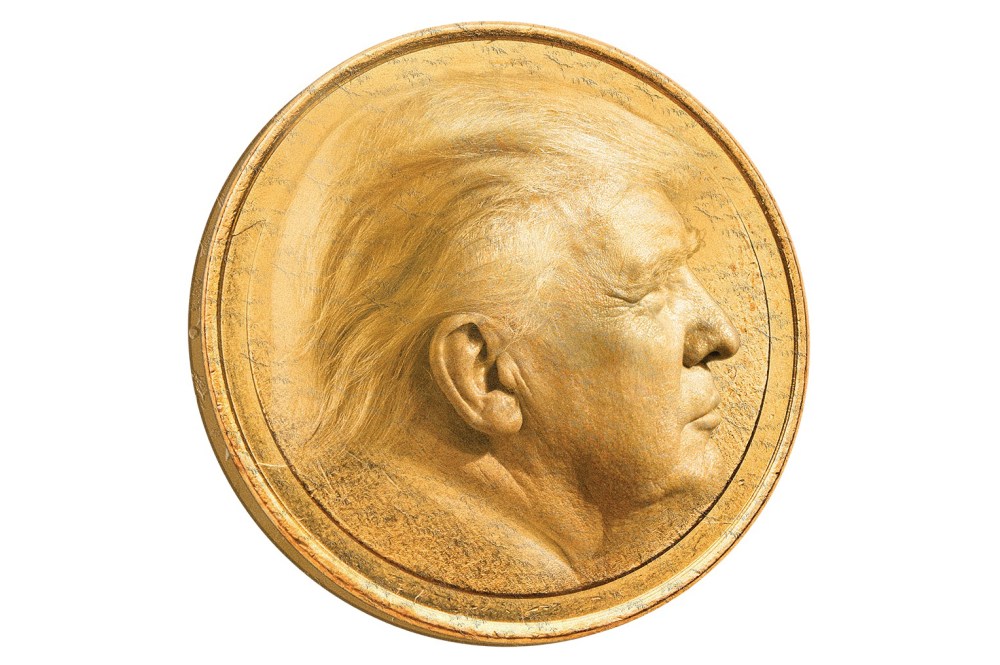
Netanyahu is the great political survivor in Israel. Some think he has traded financial aid for support for a resumption of military hostilities with Iran, understanding that the aid was likely to be curtailed at some point anyway (the pact was due to end in 2028). Plus, regardless of the midterm results, Trump can act more freely on foreign policy for his final two years in the presidency. The president’s failure could paradoxically help Israel – it is in spite of the midterm results that Trump will focus on Iran and helping Israel.
This analysis, however, takes a short-term view of the American-Israeli relationship. Israel is digesting the results of its own elections, held last week, and reaction to the midterms has become politicised, quickly, here too. Beyond questions over Iran, many here fear the direction of travel in the US with what they see as a new wave of ‘anti-Israel’ voices elected to Congress.
Leaders from the opposition bloc opposing Netanyahu have been clear that much of the blame lies with the Israeli Prime Minister, fearing that keeping Netanyahu in power will only lead to increased isolation for Israel. Writing on X, Yair Golan, leader of the left-wing opposition Democrat party, said the midterm results revealed ‘just how toxic Netanyahu has become’ across the American political spectrum. Opposition leader and former prime minister Yair Lapid accused Netanyahu of being a danger to Israel and said that the midterm election results should end his bloc’s hopes of forming a governing coalition.
A week on from the Israeli elections, where the opposition bloc won fewer seats than the pro-Netanyahu coalition without either gaining a majority, the American midterms have injected some fight into the Israeli opposition. The results have given them a fresh reason to make the case for ousting Netanyahu. And for them, it isn’t the Trump currency which counts but the Israeli one, acutely aware of the impact of Netanyahu’s policies on opinion about Israel worldwide.
The opposition bloc have to believe that there is still a moderate American political mainstream that is willing to support the country, but they see this support as conditional on whether Netanyahu remains as leader in Israel. With a more favourable political landscape now for Democrats, all eyes will turn to the race to be the 2028 presidential nominee, and Israelis here will be watching for what kind of Democrat emerges. Much of that will hinge on what happens next in the Middle East – and, in turn, whether Netanyahu remains as Israel’s leader.





Comments