Israel

Will Iran give Benjamin Netanyahu a wartime boost?

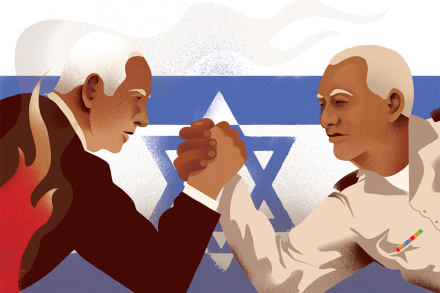
Israel’s current war on two fronts shows few signs of wrapping up soon. In Lebanon, the indications are that the IDF is looking to establish an expanded buffer zone north of the border, with the intention of holding it for as long as the government in Beirut fails to fulfill its pledge to disarm Hezbollah. In Iran, Israeli air attacks continue daily, even as Tehran’s missiles and drones target Israel’s centers of civilian population. This year is an election year in Israel, with polls required by law to take place by October. So what impact, if any, are the conflicts having on the political debate inside Israel? Are they likely

netanyahu

Why Israel is pushing further into Lebanon

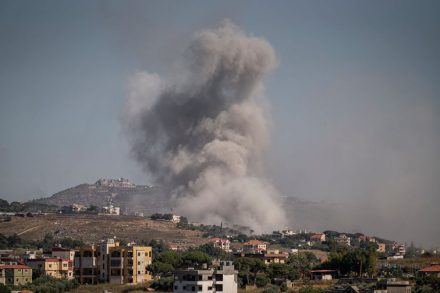
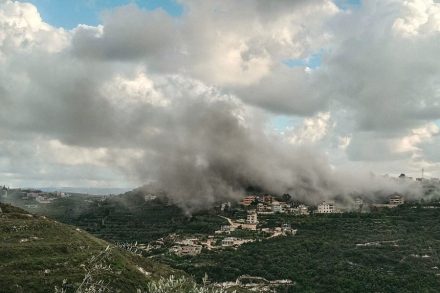
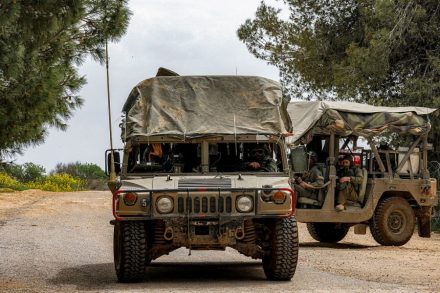
Israel launched a limited ground operation in southern Lebanon this week, intended to expand the de facto buffer zone which it has maintained along the border since the ceasefire of November 2024. At that time, Israel held control of five positions on the Lebanese side of the border. In response to Hezbollah’s decision to re-engage with Israel in the context of the current conflict between Jerusalem and Tehran, the IDF is pushing further into Lebanon.   Israel is now bombing Hezbollah targets throughout the country. Ground forces, meanwhile, are cautiously pushing forward. According to Israeli media reports, the IDF’s goal is to establish 13 additional positions north of the border. Eight-hundred and eighty-six

Lebanon

War on Iran was not ‘unprovoked’

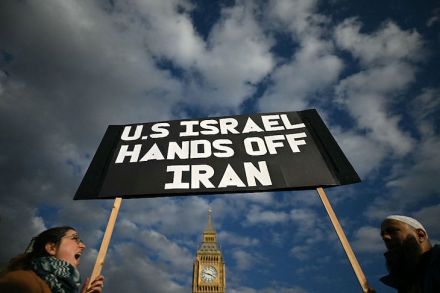
I’ve been thinking a lot about the phrase “unprovoked war.” It’s been rolling off leftist tongues since the explosion of hostilities in Iran. This week, Jeremy Corbyn, Zarah Sultana and scores of hoary peaceniks wrote a letter to the Guardian insisting Britain should have nothing to do with America and Israel’s “unprovoked war” in Iran. Trump’s noisy doubters and Israel’s legion haters are using language as a weapon Here’s my question: is the rape and murder of Jews not a provocation? Was the worst anti-Jewish atrocity since the Holocaust – 7 October – not a provocation? The tyrants of Tehran were the paymasters of the jihadist brutes who carried out

Why Iran marks the end of neoconservatism

45 min listen

Spectator columnist and Heritage Foundation fellow Daniel McCarthy joins Freddy to explain how Trump’s war with Iran could mark the end of an era, that of neoconservatism. For Daniel, there is no contradiction between Trump’s “America First” policy and its overseas interventions: Trump is pursuing a version of hegemony that will reduce the need for future interventions. If all goes to plan, this could mark an ideological watershed that stretches back to the first Gulf War in the early 1990s – but it’s a big “if.” What if the conflict spirals out of control? To what extent was this driven by Trump, or by Netanyahu? And what are the dynamics

Does Trump know what he is trying to do in Iran?

Donald Trump has urged Iranians to “take over” their government after the United States and Israel struck targets across the country. A multitude of Iranian military and government targets were hit by missiles in what is turning out to be a joint operation far more comprehensive than the 12-day air campaign last June. Freddy and Jacob Heilbrunn join to discuss why now, how this attack is fraught with risk for Trump’s presidency and how Trump’s administration was hijacked by the neoconservatives.

The hypocrisy of the Maduro fan club

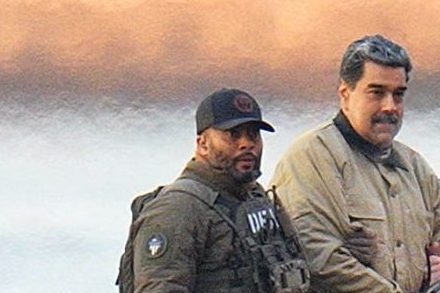
Finally, the left has found a “kidnap victim” it cares about. Having spent more than two years making excuses for Hamas’s savage seizing of 251 Israelis, having violently torn down posters of those stolen Jews, now the activist class has suddenly decided that abduction is bad after all. Why? Because a dictator they admire, Nicolás Maduro, has been abducted by the United States. What do we even say about people who get more agitated by the seizing of a 63-year-old corrupt ruler than they do by the abduction of a nine-month-old Jew? That was Kfir Bibas, kidnapped along with his mother and his four-year-old brother during Hamas’s carnival of fascist

maduro

Israel is turning the screws on Hezbollah

The killing of Lebanese Hezbollah military chief Haytham Ali Tababtabai by Israel this week reflects how much the balance of power between Jerusalem and the Iran-backed Shia Islamist group has shifted since the year-long war between the two in 2023 and 2024. Yet, paradoxically, Tabatabai’s killing also shows that nothing has been finally settled between the two enemies. While Hezbollah has now been shown to be much weaker than Israel, it nevertheless remains stronger than any internal faction in Lebanon, including the official Lebanese government. The practical consequence of this is escalation: Hezbollah is seeking to repair and rebuild its capacities, no force in Lebanon is willing or able to stop

hezbollah lebanon

Why Trump and Israel differ on Turkey’s involvement in Gaza

As the Gaza ceasefire struggles into its second month, a significant difference between the position of Israel and that of its chief ally, the United States, on the way forward is emerging. This difference reflects broader gaps in perception in Jerusalem and Washington regarding the nature and motivations of the current forces engaged in the Middle East. The subject of that difference is Turkey.  The Turks have expressed a desire to play a role in the “international stabilization force” (ISF), which, according to President Donald Trump’s 20-point plan, is supposed to take over ground security control of Gaza from the IDF (and Hamas) in the framework of the plan’s implementation.

turkey gaza

The Israel-Lebanon ceasefire is in danger of shattering

It’s been almost a year since Israel and Hezbollah, the Lebanese militia that arguably held more power in Lebanon than the government itself, signed a ceasefire to end a ferocious two-month long war. The deal couldn’t have come at a better time; thousands of Israeli air and artillery strikes had pulverized southern Lebanon, Hezbollah’s traditional base of operations, leading to a displacement crisis and killing close to 4,000 Lebanese. Whole swaths of northern Israel had been vacated due to Hezbollah missile attacks, forcing the Israeli government of Prime Minister Benjamin Netanyahu to spend money on tens of thousands of civilians bunking in hotel rooms. But the agreement is wearing thin. The

lebanon