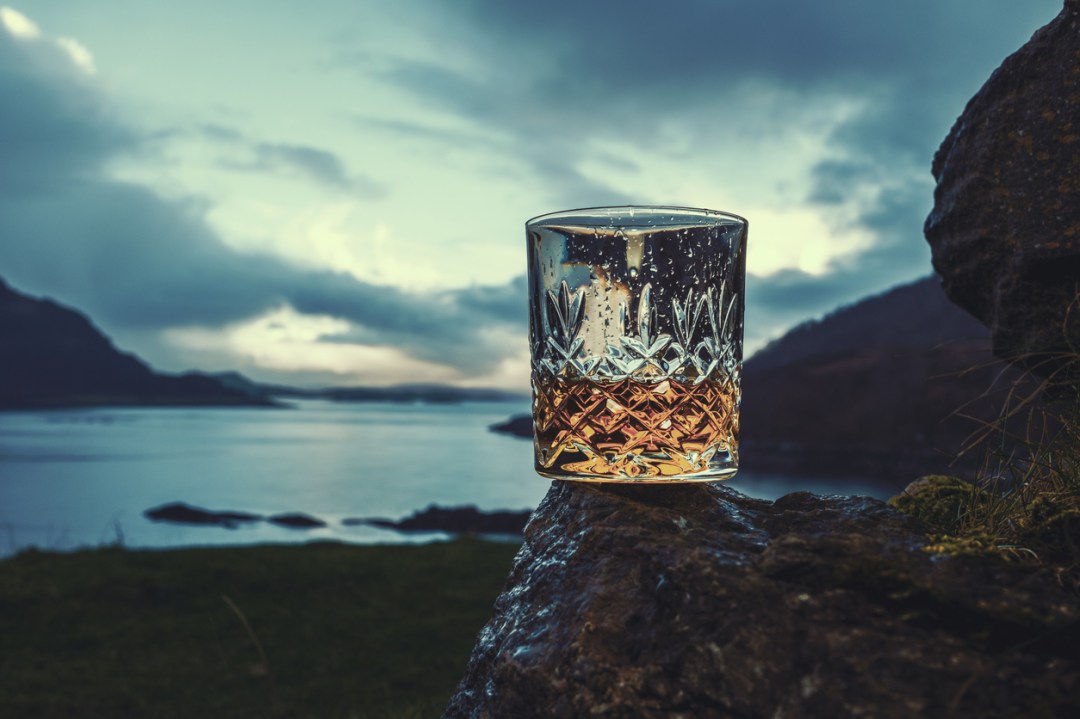
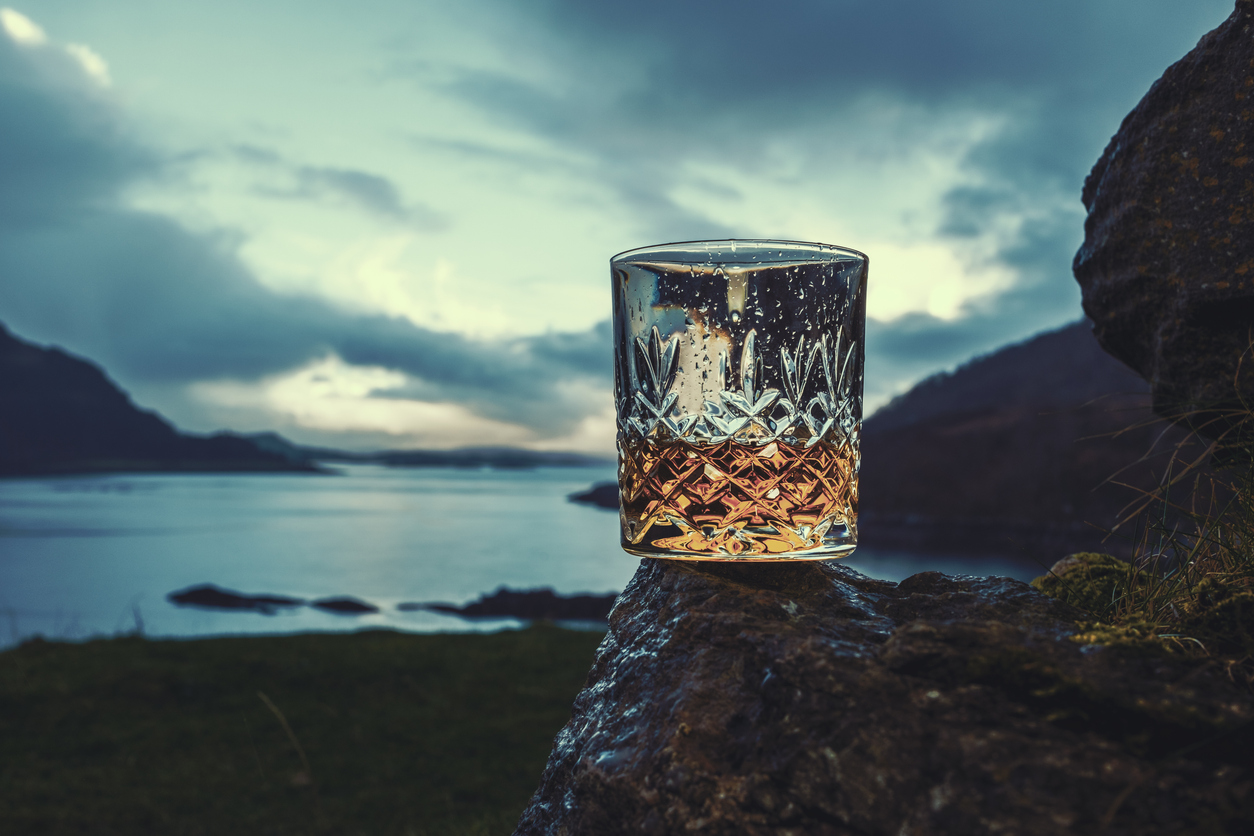
‘The King and Queen got me to do something that nobody else was able to do, without hardly even asking!’ Donald Trump announced on Thursday. In their honour, after their White House visit, he is removing tariffs on Scotch whiskey and bourbon, ‘two very important industries within Scotland and Kentucky’.
A few more visits from His Majesty, and who knows what might follow. The obvious next gifts would be Virginia and the Carolinas. In the meantime the US is open for business, and our whiskey no longer faces tariff headwinds.
Trump’s announcement pleased me more than my own drinking tastes justify. Like many another Englishman, I did not take naturally to whiskey. Despite the best efforts of a wine-loving stepfather, I went the traditional route. Shandy and cider gave way to lager but bitter took a little labour; mustard in a child’s mouth, Dr Johnson might say.
Few people take instantly to bitter. So why do we pour our energy into learning to like something which, when we try it, is initially revolting? The answer is imitation, vanity, and the desire not to be left out. Just as well: those are among the forces that keep traditions alive, and little worth having comes without effort. From the love of reading to respect for law, our tastes are acquired gradually. We call this growing up.
Vodka’s great virtue is its ability to taste of nothing at all. Whiskey demands we make an effort. We may not remember having done so, but the chances are we did. A slow learner, only in my forties did I acquire the taste. Like Roger Scruton, I think wine the best drink of an examined life, but the second best can still be very good indeed. I have worked intermittently in the Highlands and Islands for many years, and at the end of a working day a decent First Growth or Grand Cru Burgundy is hard to find. What you can find is whiskey.

A confession: I know perfectly well how to spell the Scottish drink. I have followed Trump in his Americanism, just as in Scotland I pronounce Gaelic in the Irish fashion. Infuriating the Scots is an Englishman’s national duty (pedantic Spectator readers like me are a happy bonus), and they return the favour unstintingly. Our cousins in the north gave us whisky, we gave them Buckfast. A fortified wine from a monastery in Devon, it’s like Chartreuse but without quality. When the SNP recently offered to bribe voters by giving all 18 year olds £200 to spend on cultural activities, many commentators envisaged the Buckfast aisle. Both our nations hold neighbourly grudges, but with drinks we got the better deal.
Second best is no disaster. ‘He that shall complain of his fare in the Hebrides’, said Dr Johnson, ‘has improved his delicacy more than his manhood.’ Whether he much liked whisky is less clear. His dictionary defines a distiller as one who makes and sells pernicious and inflammatory spirits. In bars in Elgin and Fort William, Oban and Kirkwall, I have been offered drams. I accepted them reluctantly. Scepticism gave way to puzzlement, then to mild interest. Shops were always willing to pour you samples. ‘What sort of whisky do you like?’ they asked. I told them I was only learning to like it a little, and hated the peaty stuff. Eventually I even acquired a bit of taste for that, though I still think peat is no obvious culinary jewel, and not improved by notes of seaweed.
There’s no arguing about taste, said a legal textbook in 1628, and the phrase became an adage. I prefer the view that everything in life is an argument about taste. That was Nietzsche’s view, though he was a man who could have used some Buckfast. Iron sharpens iron, and we develop by rubbing up against the different tastes of others. Our profit on it is that our sympathies expand and our world gets richer. Most of what the world admires is admirable, with practice, even Ardbeg and Laphroaig.
Whisky is an angular pleasure, a strong drink with strong tastes
Whisky is an angular pleasure, a strong drink with strong tastes, but it has conquered the world. Along with marmalade it makes one of the few British culinary products that other nations love. £5 billion in annual exports, including a billion to the US, explains the mysterious tankers of Chivas Regal one sees on Scottish roads, and supports a great many smaller producers besides. Whisky is a window into the Scottish soul and a seductive form of its soft power. We should be glad the Americans and others like it, because to some extent it means they also like us, and at the moment Britain can use every friend it has.
Donald Trump is a lifelong teetotaller, but not one who thirsts to make puritans of others. Compton Mackenzie’s Whisky Galore tells of a cargo salvaged during the war, the spirit warming souls and brightening lives in the Hebrides. In the midst of a trade war, Trump, as fond of Scotland as of the Royals, has done something of the same.




Comments