Every time I hear about someone winning ten million pounds/euros/dollars in a lottery, I think (and I’m sure I’m not alone in this): ‘Yeah, but… wouldn’t it have been better if ten people had won one million?’
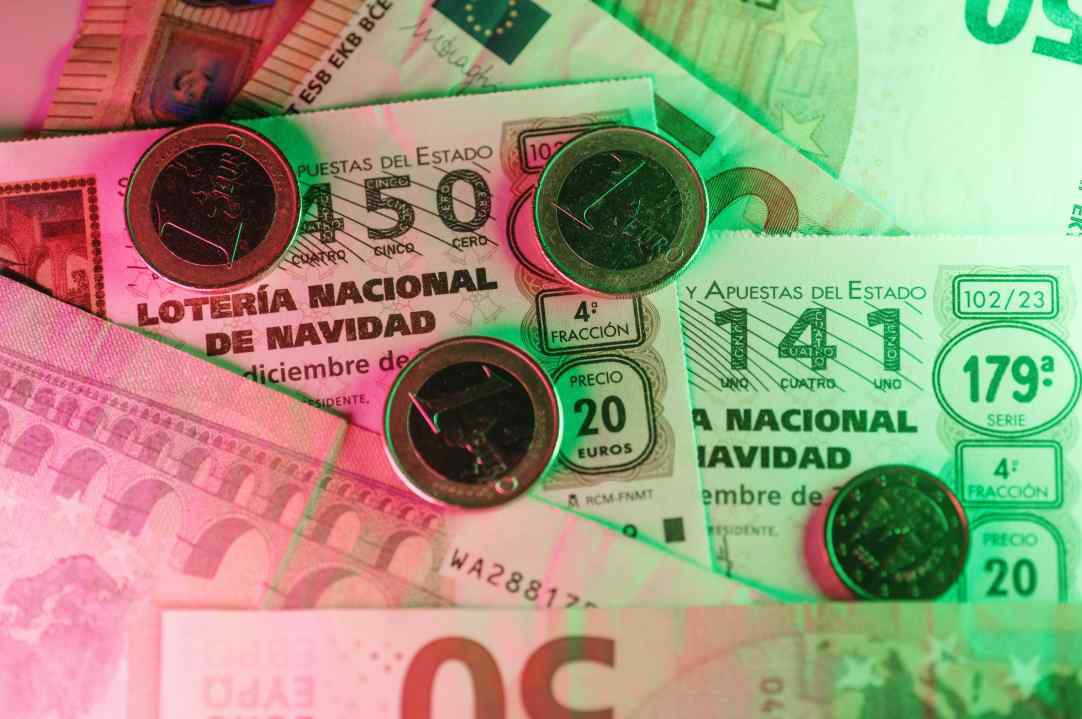
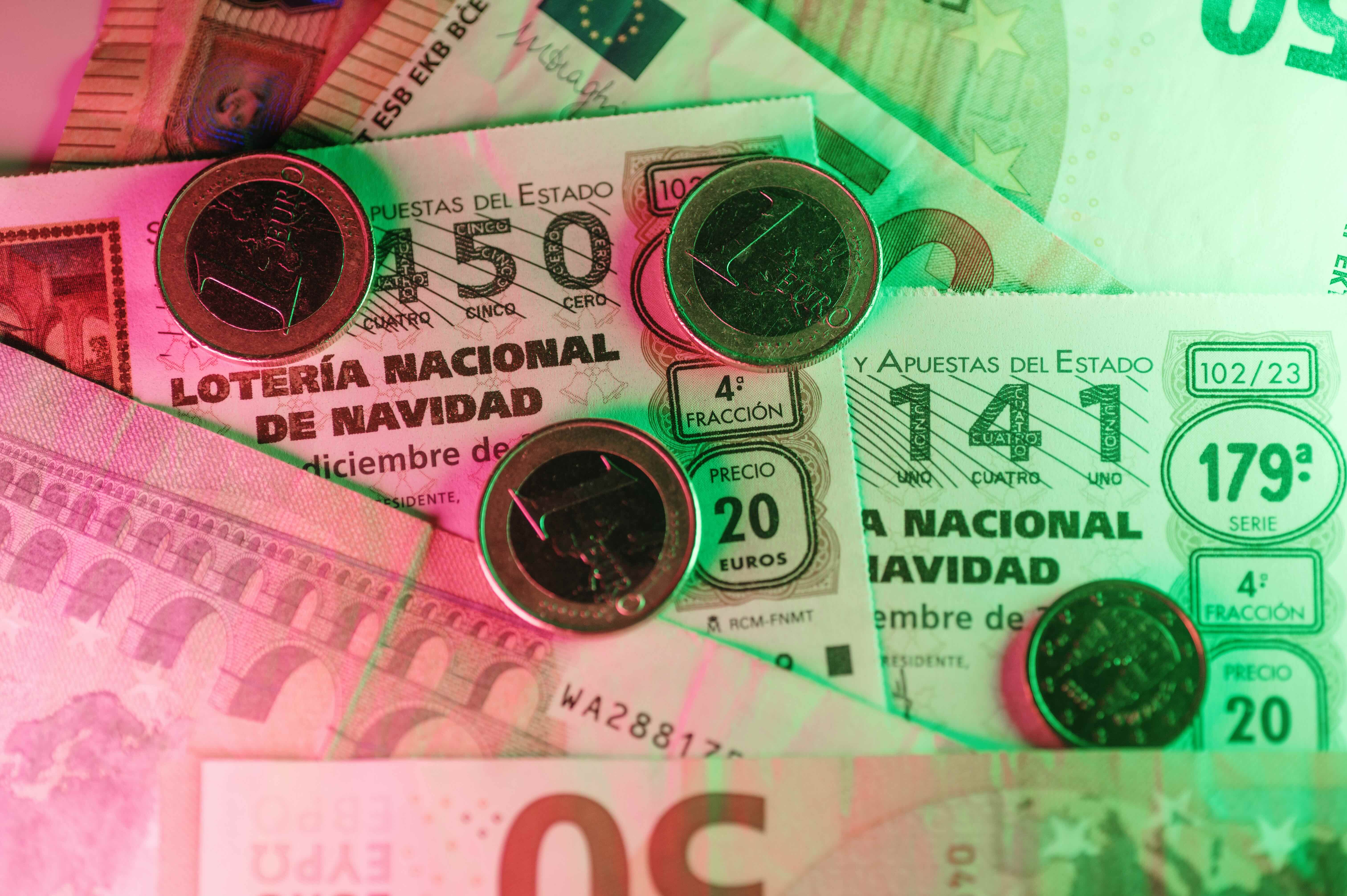
Well, that’s more or less what happens in Spain. Tomorrow nearly 2,000 people will share the first prize in the Christmas lottery, each winning €400,000 (£350,000). The same number stand to share the second (€125,000 each) and third (€50,000 each) prizes. So in total almost 6,000 Spanish households will suddenly be looking forward to a much better life. No wonder there are such explosions of joy the length and breadth of Spain every year on 22 December.
Many of tomorrow’s winners will be like Perla, an unemployed waitress with two children who a few Christmases ago was sitting among the audience at the televised draw praying that her number would win. It did. Perla promptly fainted, but after receiving medical attention recovered to tell the television crews that she was going to use her share in the first prize to buy a home, ensure that her children had the best start in life and then give something to the church.
Not surprisingly, Spain’s Christmas lottery, El Gordo (‘The Fat One’), becomes more popular every year. This year, three quarters of adults have bought an average of four tickets each – and in most cases they’ll be for four different numbers. Since there are 100,000 numbers, tomorrow that average Spaniard will have, approximately, one chance in 8,000 of sharing one of the top three prizes. While the possibility of winning a life-changing sum is remote, it isn’t astronomically remote.
Economists have sometimes characterised playing the lottery as irrational and superstitious behaviour born out of poverty, frustration and desperation. Indeed, in other countries the popularity of lotteries has been shown to decline when things are going well. But Spain’s different; the richer Spain becomes, the more Christmas lottery tickets Spaniards seem to buy, sharing the same numbers with family and friends in a spirit of ‘Let’s all get rich together’.
The richer Spain becomes, the more Christmas lottery tickets Spaniards seem to buy, sharing the same numbers with family and friends in a spirit of ‘Let’s all get rich together’
And it’s not just friends and family. People also share numbers with their neighbours and colleagues, and they make sure to buy the tickets being sold at their local bars, sports and social clubs. In part it’s fear of missing out, but it’s also something much more positive: the act of sharing strengthens social bonds by signalling trust and a sense of belonging. ‘The Fat One’ makes an important contribution to Spain’s social capital – the network of relationships that bind communities together.
Cynics like to point out that the real winner every year is the state: after all, only 70 per cent of the revenue goes towards prizes. And in one sense they’re right – the Christmas lottery will add well over €1 billion to the state’s coffers. But other benefits, while less easy to quantify, are equally important. As Keynes pointed out: ‘A large proportion of our positive activities depend on spontaneous optimism rather than on mathematical expectation.’
Certainly, when the needy benefit, the whole of Spain rejoices. In 2016 in Pinos Puente, a poor southern town of 13,000 people where unemployment stood at 29 per cent, 450 shares in the second prize each worth €125,000 were sold. That was a €56 million boost to the local economy which transformed lives. The mayor commented: ‘The prize money was widely distributed; it went to families that really needed it.’
Tomorrow will be no exception. The draw, broadcast live, usually lasts several hours as thousands of lesser prizes are also adjudicated: nearly 4,000 people will win the fourth prize worth €20,000 and almost 16,000 will win the fifth (€6,000), for example. No wonder that millions of Spaniards will be watching with crossed fingers and bated breath, praying that one of their numbers comes up. But one thing’s already certain. The fact that every year Spain’s ‘Fat One’, now well over 200 years old, gets fatter is entirely healthy, springing as it does from the Spanish people’s joie de vivre, generosity of spirit and love of sharing.



Comments