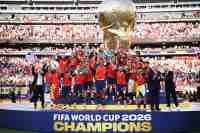
It’s World Cup time again, and Americans from Bangor to Batavia don’t even bother to stifle their quadrennial yawns, while more fervent patriots are praying to the God who adjudicates sporting events that the US team flames out early, as usual.
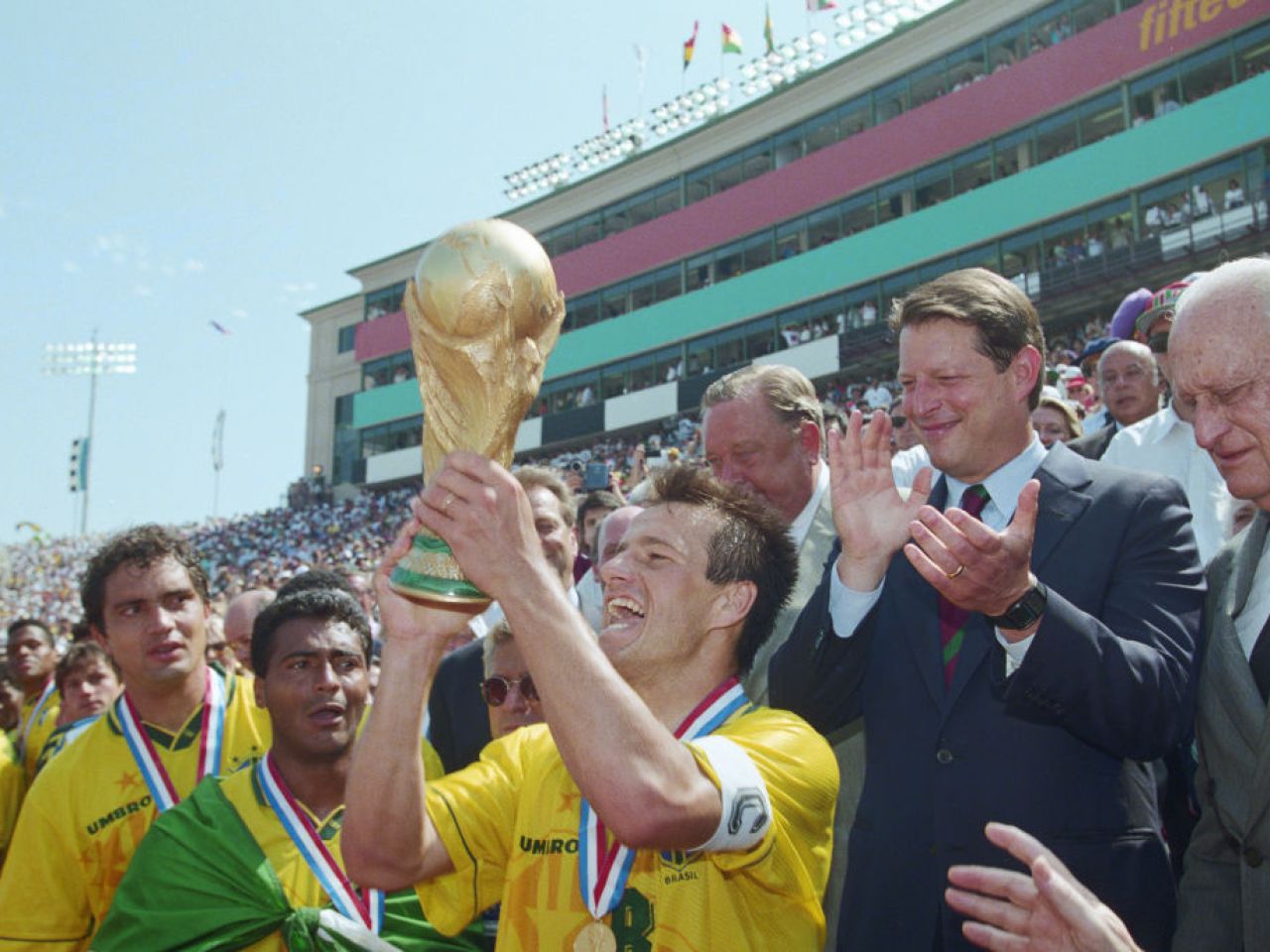
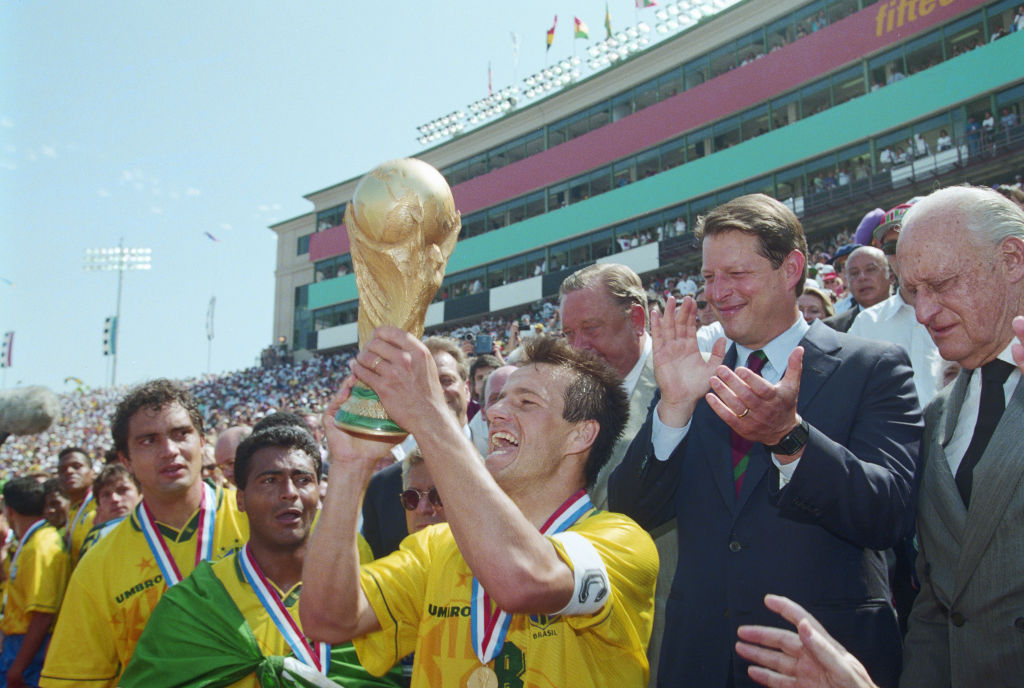
It’s been 32 years since the World Cup first tainted American soil. The 1994 invasion was a colossal flop, despite the corporate subsidies lavished by Coca-Cola, Mastercard and the usual suspects. The title game – oh, excuse me: match – a thrilling 0-0 tie in regulation between Brazil and Italy, did not win millions of new fans.
The indifference of Americans to the World Cup will be ascribed to our provincialism and ignorance of the wider world, but in fact it owes more to good old-fashioned American stubbornness and the vestigial resistance to homogenization that produced, for instance, the popular rejection of the metric system. No doubt there are pockets of enthusiasm for the tournament: dweebs in what my friend Jason Peters calls Silly Con Valley are likely to be extra amorous with their AI girlfriends should the USA defeat Paraguay in the home team’s opener.
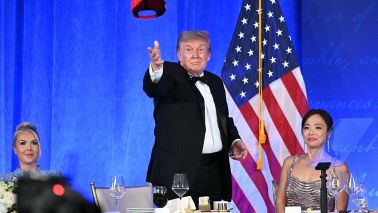
Also drinking deeply from the poisoned chalice of the World Cup is President Donald Trump, the Man Who Would be King of Greenland and Ruler of Cuba, who has weighed in on behalf of the favorite sport of the Placeless Class. “This is football,” he blustered of soccer, “there’s no question about it. We have to come up with another name for the NFL. It really doesn’t make sense when you think about it.”
Well, when you really think about it, the first play of every football game features an American foot thwacking a ball. Still, I wouldn’t be surprised if the man who gave us the Gulf of America issues an executive order next week ordering the name change. Evidently Mr. Trump takes this “America First” business about as seriously as he does his wedding vows.
Teams of savages have kicked balls (or enemies’ skulls) toward goals since time began, but the English codified soccer in the mid-19th century. The game then was spread throughout the world by British tradesmen, soldiers and missionaries. In India, Egypt, South Africa and elsewhere, soccer was taken up by local elites eager to mimic the Brits. Indigenous games fell before the sinister black-and-white ball. Soccer, as sports historian Bill Murray writes, was the British Empire’s “most enduring export.” The fabled “sport of the dispossessed,” as proto-wokesters dubbed it for its popularity in the Third World, is in fact a legacy of British imperialism.
Soccer was introduced to the Middle East by British oil workers. The Shah of Iran pushed it as a tool of westernization (and Iran are playing in this year’s World Cup, despite the bombing ongoing).
So soccer is the sport of imperialists and their quisling collaborators: a good description of Mr. Trump and the hair-doed harridans of Fox, the TV network that shelled out almost half a billion dollars for the privilege of boring English-speaking Americans for the next six weeks. At least it gives the Foxes a break from cheerleading for the War of the Week.
To the consternation of the perpetually consternated, the soccer virus has never infected Americans. The game was played in a few immigrant-heavy New England textile towns in the nineteenth century, but the sons of these immigrants learned to play wholesome American sports such as baseball and real football. In 1924, Thomas Cahill, secretary of the US Football Association, predicted that his European enthusiasm soon would “rank only second to baseball as the leading pro game,” but Americans remained so indifferent that Cahill’s association eventually gave up its preferred name and accepted the demeaning term “soccer.”
Why did soccer fail in our land? Setting aside the obvious fact that it is excruciating to watch, the usual explanation is its foreignness. Local clubs of the 1930s and 40s had such unlovely monikers as the Chicago Croatians and the San Pedro Yugoslavians. Not exactly the Yankees. Even today, prominent “American” players are often foreign mercenaries whose patriotism is no thicker than an American Express card.
In 1943, TIME asserted that the “US lack of interest [in soccer] is due mainly to US distaste for sitting outdoors in wintry winds and sleet,” which does not explain why Green Bay’s Lambeau Field and Buffalo’s Highmark Stadium are packed on December Sundays.
Our indifference to soccer owes much to good old-fashioned American stubbornness and the vestigial resistance to homogenization
In 1952, the secretary of the National Federation of Secondary Schools ventured, “It’s hard to interest American kids in a sport in which they can’t use their hands.” Why Americans should be more attached to their hands than the Brits are he did not explain.
Two US professional leagues were launched in 1967. Fewer than one percent of the players in the larger of the two leagues were American. Teams sent their players and coaches to Berlitz classes to learn English, but their efforts were for naught. CBS actually broadcast several games, but the handful of fans were aghast when it was revealed that players had been instructed to feign injuries in order to make time for commercials.
The North American Soccer League prospered for a mayfly’s life in the 1970s, thanks largely to the aptly named Cosmos team of New York City (actually New Jersey), which featured the legendary Brazilian Pelé. The likes of Elton John and Henry Kissinger promoted the NASL, but hale and hearty hicks snubbed the cosmopolitan sport. As one Tulsa, Oklahoma, cabbie told a reporter when asked why he didn’t follow the NASL’s Tulsa Roughnecks, soccer is for guys “in short pants, a Communist game, too slow and boring.”
After half a century of incessant corporate promotion of soccer as the next big thing, the game has yet to achieve much spectatorial cachet outside of hipster enclaves. An alarming number of small children have followed the Pied Piper onto the soccer fields of suburbia, but most come to their senses once puberty hits.
I doubt that even an historic run by the American squad in this World Cup would inspire an outbreak of soccer fever, but just in case:
Go Paraguay!

Comments