The recent 25th anniversary of 9/11 reminded me of a detail from that time. A short while after that terrible day, a memorial service was held at St Thomas Church on Fifth Avenue in Manhattan. Tony and Cherie Blair attended, and in his address Mr Blair quoted the final paragraph of Thornton Wilder’s small jewel of a novel, The Bridge of San Luis Rey.
Here, one of Wilder’s characters is remembering the five people who at the beginning of the story plunged to their deaths when a rope suspension bridge over a canyon in Peru snapped. She reflects that people still living remember them, but before long these people too will be dead. The memory of those five…
Among those who walk in the wood I’ve planted on our land, impulses of my own will live on
… will have left the Earth, and we ourselves shall be loved for a while and forgotten. But the love will have been enough; all those impulses of love return to the love that made them. Even memory is not necessary for love. There is a land of the living and a land of the dead and the bridge is love, the only survival, the only meaning.
Whatever my thoughts as a political columnist on Blair as prime minister, they will always be tinged with admiration for his choice of that text; for, though the memorial service was rightly dwelling on the past, he was also casting his audience’s thoughts forward to their own deaths: yours and mine. What then, for us? As I grow old and intimations of mortality invade my thoughts, these questions press.
I recall helping my ailing grandmother up a ramp from the beach in Margate more than half a century ago. Born in 1888, Grandma was the daughter of a Kentish church organist, very proper, a late-Victorian, and very dear to me. Now, near the end of her life, she was struggling to walk. ‘Never mind,’ I consoled her, thinking myself a smart young fellow, ‘in the next life you’ll be light on your feet again.’
Grandma stopped, turned to me with a sharp glance. ‘You don’t think that I believe in any of that, do you?’ she snapped.

This was generations ago, and there’s no reason to believe that today’s nominally Christian generation in Britain entertain any more genuine belief in an afterlife than Grandma did. Most would put themselves down as ‘Don’t know’. But they know. Few are organising this life as a preparation for a life to come.
How, then, assuming we do not expect to wake up in a new world after we die, are we to think about life’s end in any way that gives shape and meaning to the life we’re living now? I entertain no fancies about worlds not dreamt of in Horatio’s philosophy. I worship only at the altar of the greatest of our British philosophers, David Hume, in An Enquiry Concerning Human Understanding (1748):
If we take in our hand any volume; of divinity or school metaphysics, for instance; let us ask, Does it contain any abstract reasoning concerning quantity or number? No. Does it contain any experimental reasoning concerning matter of fact and existence? No. Commit it then to the flames: for it can contain nothing but sophistry and illusion.
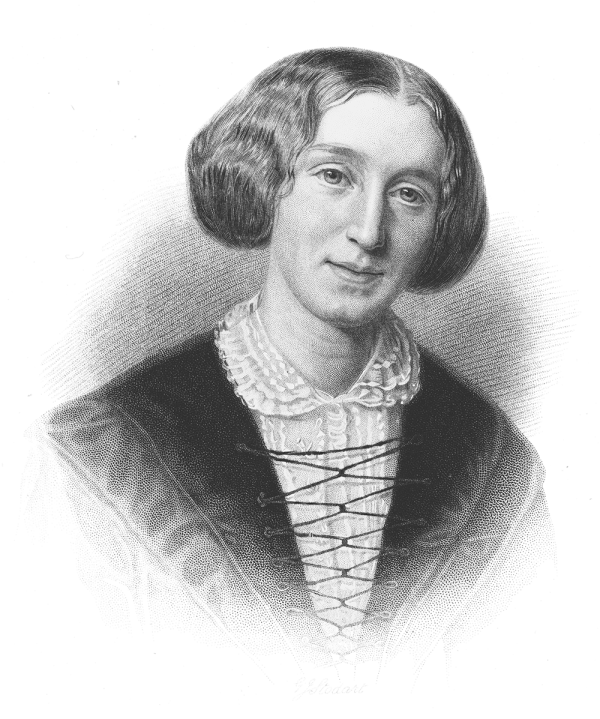
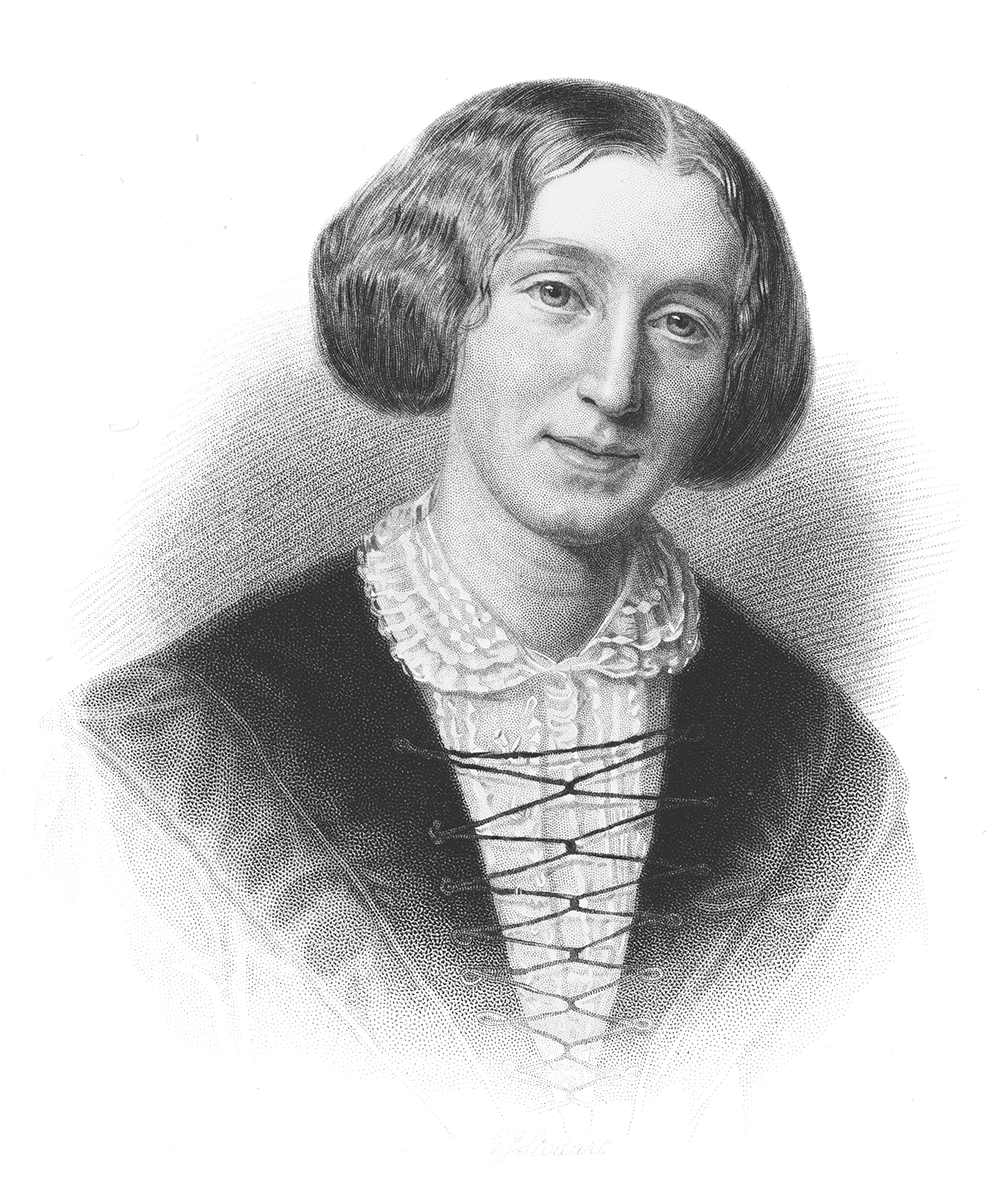
Hume’s test is a stern one, but Wilder’s idea passes that test. It doesn’t posit any new or speculative planes of existence. It dwells only in our own familiar one, and its terms are the real lives of the real people who will come after us. At least in theory, if not in practice, it is demonstrable, so there’s nothing metaphysical here that Hume needs to commit to the flames. Nor is Wilder’s idea original, and I shall quote George Eliot next, whom Wilder will certainly have read. Here, in the closing paragraph of Middlemarch, she is talking about the central figure in her story, suggesting she did not live to accomplish the great things she had hoped to accomplish …
But the effect of her being on those around her was incalculably diffusive: for the growing good of the world is partly dependent on unhistoric acts, and that things are not so ill with you and me as they might have been, is half owing to the number who lived a hidden life, and rest in unvisited tombs.
‘Incalculably diffusive’. This is Eliot’s and Wilder’s bridge between the living and the dead. And it is yours and my bridge to a time that will come after us, when our own lives will be forgotten.
Eliot, who was agnostic, developed this in a poem that expresses what Blair meant when he quoted Wilder. Here she is again:
O may I join the choir invisible
Of those immortal dead who live again
In minds made better by their presence: live
In pulses stirred to generosity …
… In thoughts sublime that pierce the night like stars,
And with their mild persistence urge man’s search
To vaster issues…
Sadly, I’ve only ever seen this ‘choir invisible’ quoted in Monty Python’s ‘dead parrot’ sketch; but Eliot’s poem explains both her and Wilder’s idea of an afterlife. And mine too. Among those who walk in the wood I’ve planted on our land, who will not remember me, impulses of my own will live on.

Both authors, however, duck the corollary. Unkindness, too, can be diffusive: persisting anonymously beyond its author’s death. Cruelty to a child, selfishness, dishonesty, obstinacy, belittlement, anger or greed: these too can, like stones thrown into a pond, ripple out beyond the lifetime of their perpetrators into a future which their perpetrators will not see, and which will not see their perpetrators.
Love, then, is not the only bridge. Hatred, too, may by diffusion survive its authors. Every wound I may inflict will make its hidden contribution to the general stock of unkindness inherited by a generation that won’t know me. Forget all notion of wiping the slate clean. The writing is indelible; the author is perishable; but the slate will be handed on.





Comments